

Pediatric Neurosurgery for Brain Tumors: A Parent’s Complete Guide
Hearing the words “your child may need brain surgery” is one of the most emotional and overwhelming moments any parent can experience. It is natural to have questions, fears, and concerns about what surgery involves, the risks, the recovery process, and your child’s future.
Fortunately, remarkable advances in pediatric neurosurgery, neuro-oncology, medical imaging, anesthesia, surgical technology, and rehabilitation have transformed the care of children with brain tumors. Today, many pediatric brain tumors can be treated successfully through carefully planned surgery performed as part of a multidisciplinary treatment program.
At Basavatarakam Indo-American Cancer Hospital & Research Institute (BIACH&RI), Hyderabad, children with brain tumors receive comprehensive care through close collaboration between the Neuro-Oncology Department, Pediatric Hemato-Oncology Department, Neurosurgery Department, Radiation Oncology Department, Radiology, Neuropathology, Pediatric Intensive Care, Rehabilitation Medicine, and specialized pediatric oncology support services. Every child receives an individualized treatment plan designed to provide safe, evidence-based, and compassionate care.
What Is Pediatric Neurosurgery?
Pediatric Neurosurgery is a highly specialized branch of medicine dedicated to diagnosing and surgically treating disorders of the brain, spinal cord, and nervous system in infants, children, and adolescents.
Unlike adults, children have developing brains and nervous systems. Their treatment requires specialized knowledge of:
- Brain development
- Pediatric anatomy
- Childhood neurological disorders
- Growth and developmental milestones
- Long-term neurological outcomes
Pediatric neurosurgeons work closely with pediatric oncologists, neuro-oncologists, neurologists, anesthesiologists, intensivists, rehabilitation specialists, and specialized nurses to provide comprehensive care.
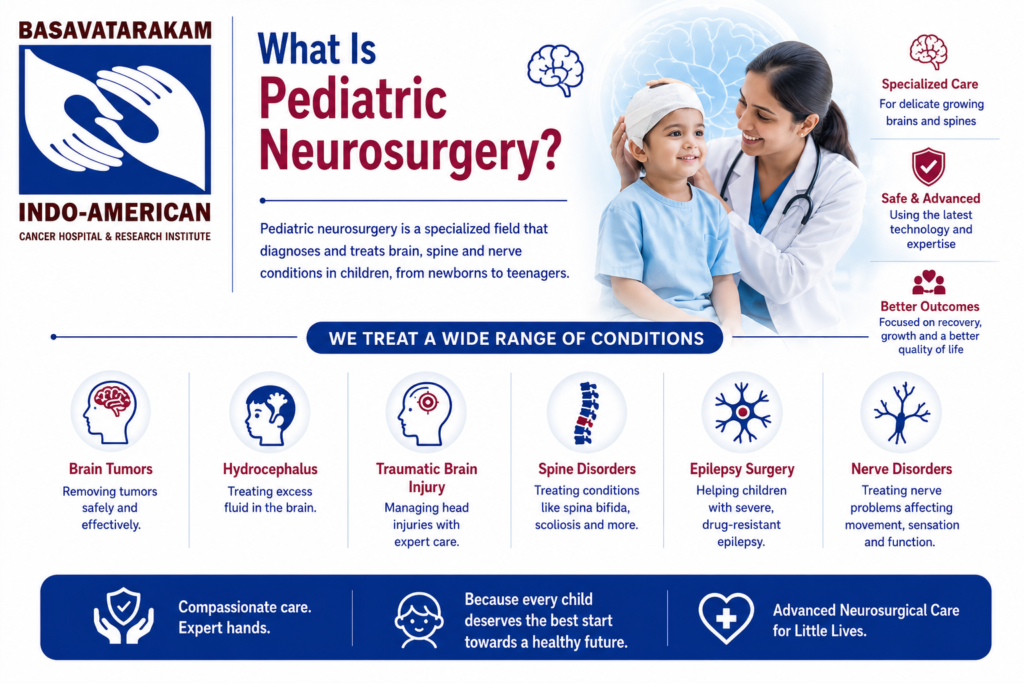
What is pediatric neurosurgery for brain tumors?
Pediatric neurosurgery is a specialized field that treats brain and spinal disorders in infants, children, and adolescents. For children with brain tumors, surgery may be performed to remove the tumor, obtain a biopsy, relieve pressure inside the brain, or improve neurological function. Treatment is planned by a multidisciplinary team and may also include chemotherapy, radiation therapy, rehabilitation, and long-term follow-up. Comprehensive care from specialists in Neuro-Oncology, Pediatric Hemato-Oncology, Neurosurgery, and Rehabilitation helps support the best possible outcomes.
Why Might a Child Need Brain Surgery?
Brain surgery is recommended only after a careful evaluation by a multidisciplinary team. The decision depends on the child’s diagnosis, symptoms, imaging findings, and overall health.
Surgery may be advised to:
- Remove a brain tumor.
- Obtain a tissue sample (biopsy) for diagnosis.
- Relieve pressure inside the skull.
- Restore the normal flow of cerebrospinal fluid.
- Reduce symptoms caused by the tumor.
- Improve neurological function.
- Support additional treatments such as chemotherapy or radiation therapy.
The treatment plan is individualized because every child and every brain tumor is different.
Brain Tumors That May Require Pediatric Neurosurgery
Several types of pediatric brain tumors may require surgical treatment, including:
- Medulloblastoma
- Pilocytic Astrocytoma
- Ependymoma
- Craniopharyngioma
- Low-grade Gliomas
- High-grade Gliomas
- Choroid Plexus Tumors
- Germ Cell Tumors
- Other tumors affecting the brain or spinal cord
Some tumors require complete removal, while others may only need a biopsy followed by additional treatment. The surgical approach depends on the tumor’s location and characteristics.
What Are the Goals of Brain Tumor Surgery?
The goals of surgery vary according to the child’s diagnosis but commonly include:
Establishing the Diagnosis
The tissue removed during surgery is examined by a neuropathologist to determine the exact type of tumor, its grade, and other features that guide treatment.
Removing the Tumor
Whenever possible, the neurosurgical team aims for maximum safe resection, meaning removal of as much of the tumor as can be achieved safely while protecting vital brain structures.
Relieving Pressure Within the Brain
Brain tumors may increase pressure inside the skull by occupying space or blocking the normal circulation of cerebrospinal fluid.
Surgery can relieve this pressure, helping reduce symptoms such as:
- Headaches
- Vomiting
- Vision problems
- Drowsiness
- Balance difficulties
Improving Neurological Function
Removing or reducing the tumor may improve symptoms affecting:
- Balance
- Coordination
- Speech
- Vision
- Movement
- Swallowing
- Strength
Recovery varies depending on the tumor’s location and the child’s condition before surgery.
Is Brain Surgery Safe for Children?
Parents often ask whether brain surgery is safe.
Like any major operation, pediatric brain surgery carries risks. However, advances in surgical techniques, imaging, anesthesia, intensive care, and perioperative monitoring have significantly improved safety and outcomes.
Before recommending surgery, the medical team carefully evaluates:
- The expected benefits of surgery.
- The potential risks.
- Alternative treatment options.
- The child’s overall health.
- The location and characteristics of the tumor.
The aim is always to achieve the best possible outcome while minimizing risks.
Preparing for Brain Tumor Surgery
Preparation begins well before the operation.
The healthcare team may arrange:
- Detailed MRI imaging.
- Blood tests.
- Anesthesia assessment.
- Neurological examination.
- Review of medications.
- Nutritional assessment.
- Pediatric intensive care planning when appropriate.
Parents receive guidance on:
- Fasting before surgery.
- Hospital admission.
- Expected duration of the procedure.
- Postoperative recovery.
- Questions to ask the healthcare team.
Good communication helps families feel informed and prepared.
The Importance of a Multidisciplinary Team
Successful pediatric brain tumor surgery is not performed in isolation.
At BIACH&RI, each child benefits from coordinated care involving specialists from:
- Pediatric Hemato-Oncology
- Neuro-Oncology
- Neurosurgery
- Radiation Oncology
- Neuroradiology
- Neuropathology
- Pediatric Neurology
- Pediatric Intensive Care
- Clinical Nutrition
- Rehabilitation Medicine
- Physiotherapy
- Occupational Therapy
- Speech and Language Therapy
- Clinical Psychology
- Specialized Pediatric Oncology Nursing
Working together ensures that every aspect of the child’s diagnosis, treatment, recovery, and long-term care is carefully coordinated.
Why Specialized Pediatric Neurosurgery Matters
Children require a different approach from adults.
Specialized pediatric neurosurgical care focuses on:
- Protecting the developing brain.
- Preserving neurological function.
- Minimizing complications.
- Supporting normal growth and development.
- Coordinating surgery with oncology treatment.
- Planning long-term rehabilitation when needed.
This specialized approach helps optimize both survival and quality of life.
Planning Before Brain Tumor Surgery
Every successful pediatric brain tumor surgery begins with meticulous planning. Before entering the operating room, the multidisciplinary team carefully evaluates the child’s condition, reviews imaging studies, and develops an individualized surgical strategy.
At Basavatarakam Indo-American Cancer Hospital & Research Institute (BIACH&RI), Hyderabad, pediatric brain tumor cases are discussed by specialists from the Neuro-Oncology Department, Pediatric Hemato-Oncology Department, Neurosurgery Department, Radiation Oncology Department, Radiology, Neuropathology, Pediatric Intensive Care, and Rehabilitation Medicine.
This collaborative approach helps ensure that every child receives personalized, evidence-based care.
Advanced Brain Imaging Before Surgery
Detailed imaging plays a vital role in surgical planning.
Depending on the child’s condition, imaging may include:
- MRI Brain
- Contrast-enhanced MRI
- MRI Spine (when clinically indicated)
- CT Scan in emergency situations
These investigations help the surgical team understand:
- Exact tumor location
- Tumor size
- Relationship to important blood vessels
- Proximity to nerves controlling speech, movement, vision, and hearing
- Presence of hydrocephalus
- Compression of surrounding brain structures
Accurate imaging helps maximize surgical safety and improve treatment planning.
Understanding the Surgical Plan
Before surgery, the treating team discusses the planned procedure with the child’s family.
Parents are informed about:
- The diagnosis based on available investigations.
- The goals of surgery.
- Expected benefits.
- Possible risks and complications.
- Alternative treatment options when appropriate.
- Recovery after surgery.
- Additional treatment that may be required after surgery.
Families are encouraged to ask questions so they fully understand the treatment plan.
Pediatric Neuro-Anesthesia
Children undergoing brain surgery require specialized anesthesia provided by experienced pediatric anesthesia teams.
The anesthesiology team carefully monitors:
- Heart rate
- Blood pressure
- Oxygen levels
- Breathing
- Body temperature
- Fluid balance
- Neurological status throughout the procedure
The goal is to maintain maximum safety before, during, and immediately after surgery.
What Happens During Brain Tumor Surgery?
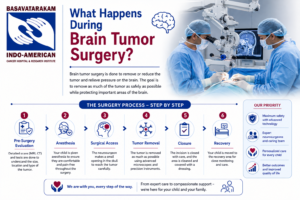
After anesthesia is administered, the neurosurgical team begins the procedure using carefully planned surgical techniques.
The operation generally involves:
- Positioning the child safely.
- Preparing the surgical field under sterile conditions.
- Creating a carefully planned opening in the skull (craniotomy) when required.
- Accessing the tumor while protecting surrounding healthy brain tissue.
- Removing as much of the tumor as safely possible.
- Controlling bleeding.
- Closing the surgical site after completing the procedure.
The exact surgical technique varies according to the tumor’s location, size, and relationship to critical brain structures.
Maximum Safe Tumor Removal
The primary objective of pediatric brain tumor surgery is maximum safe resection.
This means removing as much of the tumor as possible while preserving important neurological functions such as:
- Movement
- Speech
- Balance
- Vision
- Hearing
- Swallowing
- Memory
- Coordination
In some situations, complete tumor removal may not be possible if the tumor is closely attached to vital areas of the brain. In such cases, additional treatments such as chemotherapy or radiation therapy may be recommended after surgery.
Brain Tumor Biopsy
Sometimes, removing the entire tumor during the initial procedure may not be appropriate.
In these situations, the neurosurgeon may obtain a biopsy, which involves removing a small sample of tissue for detailed laboratory examination.
The tissue is examined by a Neuropathologist, who determines:
- Tumor type
- Histological features
- Tumor grade
- Molecular characteristics
This information is essential for planning further treatment.
Some pediatric brain tumors block the normal circulation of cerebrospinal fluid (CSF), leading to hydrocephalus, a condition characterized by increased pressure inside the brain.
When clinically necessary, treatment may involve procedures to restore CSF flow or relieve pressure. The most appropriate approach depends on the child’s condition and the underlying cause.
Managing hydrocephalus can help relieve symptoms such as:
- Persistent headaches
- Morning vomiting
- Drowsiness
- Vision problems
- Difficulty walking
After Surgery: The Recovery Room
Once surgery is completed, the child is transferred to a specialized recovery area where doctors and nurses closely monitor:
- Consciousness
- Breathing
- Blood pressure
- Heart rate
- Neurological function
- Pain control
- Surgical wound
Parents are informed about the child’s condition as soon as it is medically appropriate.
Pediatric Intensive Care Unit (PICU)
Some children require observation in the Pediatric Intensive Care Unit (PICU) after brain surgery.
The duration of PICU care depends on:
- The complexity of surgery.
- The child’s neurological status.
- Overall recovery.
- Individual medical needs.
PICU teams provide continuous monitoring and immediate medical support during the early recovery period.
Pain Management
Pain after brain surgery is carefully managed using individualized treatment plans.
The healthcare team aims to:
- Keep the child comfortable.
- Encourage early recovery.
- Minimize medication-related side effects.
- Support safe mobilization.
Parents are also guided on recognizing discomfort and supporting recovery.
Possible Risks of Brain Tumor Surgery
Every surgical procedure carries some degree of risk. The treating team discusses these risks with the family before surgery.
Potential complications vary depending on the tumor and the procedure but may include:
- Bleeding
- Infection
- Swelling of the brain
- Cerebrospinal fluid leakage
- Temporary or permanent neurological deficits
- Seizures
- Need for additional surgery in selected cases
The surgical team takes extensive precautions to minimize these risks and provide the safest possible care.
The Role of the Multidisciplinary Tumor Board
Following surgery, the child’s case is reviewed by a multidisciplinary tumor board.
This team may include specialists from:
- Neuro-Oncology
- Pediatric Hemato-Oncology
- Neurosurgery
- Radiation Oncology
- Neuroradiology
- Neuropathology
- Pediatric Neurology
- Rehabilitation Medicine
- Pediatric Intensive Care
- Clinical Nutrition
- Clinical Psychology
Together, they review:
- Surgical findings
- Pathology results
- Molecular testing (when indicated)
- Imaging studies
- Overall recovery
This collaborative review helps develop a personalized plan for the next phase of treatment.
Why Multidisciplinary Care Improves Outcomes
Brain tumor treatment does not end with surgery.
Comprehensive care includes:
- Accurate diagnosis
- Expert neurosurgery
- Pediatric oncology treatment
- Radiation therapy when appropriate
- Rehabilitation
- Nutritional support
- Psychological care
- Long-term follow-up
At BIACH&RI, the close collaboration between the Neuro-Oncology Department, Pediatric Hemato-Oncology Department, and Neurosurgery Department helps ensure continuity of care throughout the child’s treatment journey.
Recovery After Pediatric Brain Tumor Surgery
Brain tumor surgery is a major milestone, but recovery continues long after the operation. Every child’s recovery is unique and depends on:
- Type of brain tumor
- Tumor location
- Extent of surgery
- Child’s age
- Overall health
- Need for additional treatments such as chemotherapy or radiation therapy
Some children recover quickly, while others require a longer period of rehabilitation and supportive care.
At Basavatarakam Indo-American Cancer Hospital & Research Institute (BIACH&RI), Hyderabad, recovery is supported by a multidisciplinary team that includes the Neuro-Oncology Department, Pediatric Hemato-Oncology Department, Neurosurgery Department, Rehabilitation Medicine, Physiotherapy, Clinical Nutrition, Clinical Psychology, and specialized Pediatric Oncology Nursing.
What Happens After Surgery?
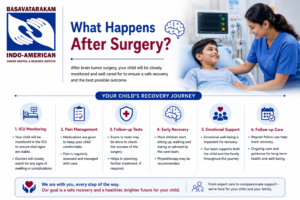
Immediately after surgery, the medical team carefully monitors the child for:
- Level of consciousness
- Breathing and oxygen levels
- Blood pressure and heart rate
- Neurological function
- Pain control
- Wound healing
- Signs of infection
- Fluid balance
The length of hospital stay varies depending on the complexity of surgery and the child’s recovery.
Common Temporary Symptoms After Brain Surgery
Some children may experience temporary symptoms during recovery, including:
- Headache
- Mild swelling around the surgical site
- Fatigue
- Balance difficulties
- Temporary weakness
- Speech changes
- Nausea
- Reduced appetite
These symptoms often improve gradually, but the recovery timeline differs from one child to another. Parents should maintain close communication with the treating team and report any concerning changes.
Rehabilitation Is an Essential Part of Recovery
Treatment does not end when surgery is completed. Rehabilitation helps children regain strength, confidence, and independence.
Depending on individual needs, rehabilitation may involve:
Physiotherapy
Physiotherapy helps improve:
- Balance
- Walking
- Coordination
- Muscle strength
- Endurance
- Mobility
Regular therapy can help children safely return to everyday activities.
Occupational Therapy
Occupational therapists support children in regaining independence with:
- Dressing
- Eating
- Writing
- Fine motor skills
- Hand coordination
- School-related tasks
The goal is to help children participate as fully as possible in daily life.
Speech and Language Therapy
Some children may have temporary or persistent difficulties with:
- Speech
- Language
- Swallowing
- Communication
Speech and language therapists provide individualized exercises and strategies to support recovery.
Neuropsychological Support
Brain tumors and their treatment may affect:
- Memory
- Attention
- Concentration
- Learning
- Problem-solving
- Behaviour
A neuropsychological assessment can identify areas where additional educational or cognitive support may be beneficial.
Psychological and Emotional Support
A diagnosis of a brain tumor affects the entire family.
Children and caregivers may experience:
- Anxiety
- Fear
- Emotional stress
- Mood changes
- Concerns about school and the future
Professional counselling and psychological support can help families navigate these challenges and build resilience throughout treatment and recovery.
Nutrition During Recovery
Good nutrition supports healing and recovery after surgery.
The healthcare team may recommend:
- Adequate hydration
- Balanced meals rich in protein and essential nutrients
- Small, frequent meals if appetite is reduced
- Nutritional supplements when clinically indicated
Clinical nutrition specialists work with families to meet each child’s individual nutritional needs.
Returning Home After Surgery
Before discharge, families receive guidance on:
- Wound care
- Medications
- Activity restrictions
- Nutrition
- Follow-up appointments
- Symptoms that require urgent medical attention
Parents are encouraged to contact the treating team if they notice:
- Fever
- Persistent vomiting
- Increasing headaches
- New weakness
- Seizures
- Confusion
- Fluid leakage from the surgical wound
- Increasing drowsiness
- Difficulty breathing
Prompt communication helps ensure timely evaluation and treatment when needed.
Returning to School
Many children gradually return to school after recovering from surgery.
Depending on the child’s condition, recommendations may include:
- A phased return to school
- Reduced academic workload
- Extra time for assignments
- Assistance with note-taking
- Physical activity restrictions during recovery
- Ongoing communication between teachers and the healthcare team
Educational support can help children regain confidence and continue their learning.
Long-term follow-up is an essential part of pediatric brain tumor care.
Regular follow-up appointments allow doctors to monitor:
- Neurological function
- MRI findings
- Recovery after surgery
- Growth and development
- Hormonal health
- Vision and hearing
- Learning and cognitive development
- Late effects of treatment
The frequency of follow-up visits depends on the child’s diagnosis, treatment, and individual needs.
Living Beyond Brain Tumor Treatment
With advances in pediatric neurosurgery, neuro-oncology, and supportive care, many children treated for brain tumors go on to lead active and fulfilling lives.
Long-term survivorship focuses on:
- Physical health
- Emotional well-being
- Educational progress
- Social development
- Healthy lifestyle habits
- Ongoing monitoring for late effects
The goal is not only successful treatment but also helping children achieve their full potential.
Frequently Asked Questions
Is pediatric brain surgery always necessary?
No. Surgery is recommended only when it is expected to provide diagnostic or therapeutic benefit. Some conditions may be managed with other treatments depending on the diagnosis.
How long does recovery take?
Recovery varies widely depending on the type of tumor, the complexity of surgery, and the child’s overall health. Some children recover within weeks, while others require several months of rehabilitation.
Will my child need chemotherapy or radiation after surgery?
Some children require additional treatment after surgery, while others may not. The decision depends on the tumor type, pathology results, molecular findings, and recommendations of the multidisciplinary team.
Can brain tumors come back after surgery?
Some brain tumors may recur, while others may not. The likelihood depends on the specific diagnosis and individual risk factors. Regular follow-up helps monitor for recurrence and assess long-term recovery.
Is rehabilitation really necessary?
Rehabilitation is often an important part of recovery. It helps children regain strength, improve neurological function, and return to school and daily activities.
Why Choose Basavatarakam Indo-American Cancer Hospital & Research Institute (BIACH&RI)?
Children with brain tumors require more than expert surgery—they need coordinated, compassionate, and comprehensive care.
At Basavatarakam Indo-American Cancer Hospital & Research Institute (BIACH&RI), Hyderabad, our multidisciplinary team brings together specialists from:
- Neuro-Oncology
- Pediatric Hemato-Oncology
- Neurosurgery
- Radiation Oncology
- Medical Oncology
- Neuroradiology
- Neuropathology
- Pediatric Neurology
- Pediatric Intensive Care
- Rehabilitation Medicine
- Physiotherapy
- Occupational Therapy
- Speech and Language Therapy
- Clinical Nutrition
- Pediatric Oncology Nursing
- Clinical Psychology
This collaborative approach allows us to provide individualized treatment plans, evidence-based care, rehabilitation, and long-term follow-up for children with brain tumors.
Key Takeaways
- Pediatric neurosurgery is an essential treatment for many childhood brain tumors.
- Careful planning, advanced imaging, and multidisciplinary collaboration support safe and effective treatment.
- Recovery extends beyond surgery and often includes rehabilitation, nutritional support, and psychological care.
- Long-term follow-up helps monitor neurological development, learning, and overall health.
- Family-centered care is fundamental to supporting children throughout diagnosis, treatment, and survivorship.
If your child has been diagnosed with a brain tumor or is experiencing persistent neurological symptoms, early evaluation by an experienced multidisciplinary team is essential. While not every child requires surgery, timely assessment can help determine the most appropriate treatment plan.
At Basavatarakam Indo-American Cancer Hospital & Research Institute (BIACH&RI), Hyderabad, our Neuro-Oncology Department, Pediatric Hemato-Oncology Department, and Neurosurgery Department work together to provide comprehensive diagnosis, advanced surgical care, rehabilitation, and long-term follow-up for children with brain tumors. We are committed to delivering compassionate, evidence-based care that supports both recovery and quality of life.