HPV Vaccine: An Important Step Towards Cervical Cancer Prevention
Protecting health today can help prevent cancer tomorrow.

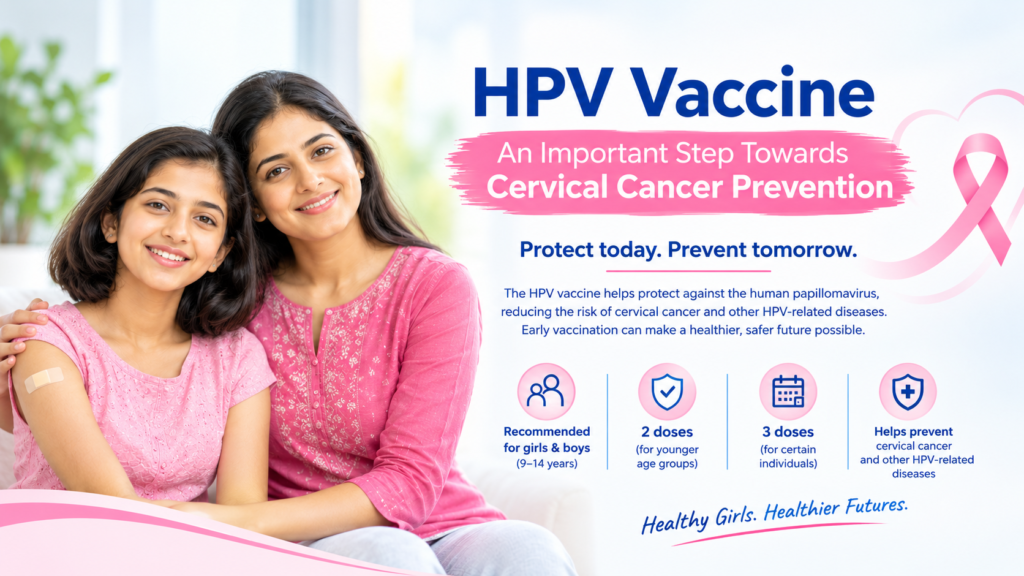
Cervical cancer is a major health concern for women, but there is an effective way to reduce the risk of developing this disease: HPV vaccination. By raising awareness and encouraging timely vaccination, families can take an important step towards protecting the health of girls and women in the years ahead.
At Basavatarakam Indo-American Cancer Hospital and Research Institute (BIACH&RI), we believe that awareness, prevention and timely medical guidance are essential parts of comprehensive cancer care.
What Is the HPV Vaccine?
The Human Papillomavirus (HPV) vaccine protects against certain types of human papillomavirus that can cause cervical cancer and other HPV-related diseases.
HPV is a common virus. While many infections clear naturally, persistent infection with certain high-risk HPV types can cause changes in cervical cells that may eventually develop into cancer.
HPV vaccination helps prevent infections caused by the HPV types targeted by the vaccine. It is most effective when administered before exposure to the virus, which is why vaccination during early adolescence is particularly important.
Why Is HPV Vaccination Important?
Cervical cancer often develops over several years, making prevention and early detection especially valuable.
HPV vaccination can help:
- Reduce the risk of cervical cancer caused by vaccine-targeted HPV types.
- Protect against certain other HPV-related cancers and diseases, depending on the vaccine used.
- Provide protection before exposure to the virus.
- Support long-term cancer prevention as part of a comprehensive healthcare strategy.
Getting vaccinated is a proactive step towards protecting future health. Parents and caregivers can help by discussing HPV vaccination with a qualified healthcare professional.
What Is the Right Age for HPV Vaccination?
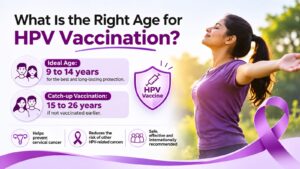
HPV vaccination is recommended primarily during early adolescence, before exposure to HPV.
The World Health Organization (WHO) identifies girls aged 9–14 years as the primary target group for HPV vaccination. Depending on the vaccine, age, individual health status and applicable guidelines, vaccination may also be recommended for older adolescents and other eligible individuals.
In India, the national HPV vaccination campaign launched in February 2026 targets eligible 14-year-old girls through designated government health facilities.
Parents should consult a healthcare professional to determine the appropriate vaccine and schedule for their child.
How Many Doses of the HPV Vaccine Are Needed?
The number of doses depends on the vaccine being used, the person’s age, immune status and the applicable vaccination recommendations.
For example:
- Younger adolescents: A two-dose schedule may be recommended for certain vaccines and age groups.
- Older adolescents and adults: Some vaccination schedules require three doses.
- Individuals with weakened immune systems: Additional doses may be necessary.
WHO recommendations also include a single-dose option for certain age groups. However, vaccination schedules can differ between public health programmes and individual clinical recommendations.
It is important to follow the schedule advised by your healthcare professional rather than choosing a dose schedule independently.
Is the HPV Vaccine Safe?
HPV vaccines have been extensively studied and have a well-established safety record. Like other vaccines, they can cause temporary side effects, such as pain, redness or swelling at the injection site. Some individuals may experience a headache, mild fever or dizziness.
A healthcare professional can explain the expected side effects, assess individual medical considerations and advise on precautions before vaccination.
The benefits and suitability of vaccination should be discussed with a qualified healthcare professional, particularly for individuals with a history of severe allergic reactions or other relevant medical concerns.
Can Boys Also Receive the HPV Vaccine ?
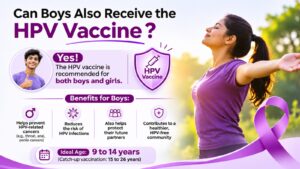
Yes. HPV can affect both males and females. Depending on the vaccine and applicable recommendations, HPV vaccination may help protect boys and men against certain HPV-related diseases and cancers.
Although the prevention of cervical cancer is a major focus of HPV vaccination programmes, vaccination of eligible boys can also contribute to broader protection against HPV-related diseases.
Speak with a healthcare professional about age eligibility and the appropriate vaccination schedule.
Does HPV Vaccination Replace Cervical Cancer Screening?
No. HPV vaccination does not replace cervical cancer screening.
The vaccine does not protect against every HPV type that can cause cervical cancer, and it cannot treat an existing HPV infection. Women should continue to follow recommended cervical cancer screening guidelines, even if they have been vaccinated.
Screening helps identify precancerous changes and enables timely medical evaluation and treatment when needed.
How Can Parents Take the Next Step?
Protecting your child’s future health begins with informed decisions today.
Parents and caregivers can take these simple steps:
- Discuss HPV vaccination with a qualified healthcare professional.
- Confirm the appropriate age, vaccine type and dose schedule.
- Follow the recommended vaccination schedule.
- Keep vaccination records for future reference.
- Learn about cervical cancer screening and other preventive healthcare measures.
Early awareness can make a meaningful difference. A conversation with a healthcare professional today can help families make confident, informed decisions about prevention.
Prevention Begins with Awareness
Cervical cancer prevention is a shared responsibility. Timely HPV vaccination, regular screening at the recommended age and access to reliable medical advice are important components of reducing the burden of cervical cancer.
At Basavatarakam Indo-American Cancer Hospital and Research Institute, we encourage families to stay informed, seek expert guidance and make preventive healthcare a priority.
Protect today. Prevent tomorrow. Take a step towards a healthier future.
For information about cancer prevention and healthcare services, visit www.basavatarakam.org.
Medical disclaimer: This article is intended for general educational purposes and is not a substitute for professional medical advice, diagnosis or treatment. Please consult a qualified healthcare professional for individual vaccination and screening recommendations.
1. What is the HPV vaccine used for?
The HPV vaccine helps prevent infections caused by certain types of human papillomavirus, including types associated with cervical cancer and other HPV-related diseases.
2. At what age should a girl receive the HPV vaccine?
WHO identifies girls aged 9–14 years as the primary target group. The appropriate age and schedule depend on applicable guidelines and individual circumstances.
3. How many doses of the HPV vaccine are required?
The required number of doses depends on the vaccine, age and immune status. Follow the schedule recommended by your healthcare professional.
4. Can HPV vaccination completely prevent cervical cancer?
No vaccine prevents every case of cervical cancer. HPV vaccination significantly reduces the risk from targeted HPV types, but recommended cervical cancer screening remains important.
5. Can boys receive the HPV vaccine?
Yes. HPV vaccination can help protect eligible boys against certain HPV-related diseases. Recommendations depend on age, vaccine availability and applicable guidelines.
6. Is cervical cancer screening necessary after vaccination?
Yes. Vaccinated women should continue screening according to the recommended guidelines for their age and individual circumstances.
guidelines for their age and individual circumstances.