

A Complete Parent’s Guide to Childhood Cancer, Blood Disorders & Bone Marrow Transplant
When parents hear the word “cancer,” it is one of the most frightening moments of their lives. Questions begin to race through their minds.
“Will my child recover?”
“Did we miss the warning signs?”
“Where can we find the best treatment?”
“Is childhood cancer curable?”
These concerns are completely understandable. Yet today, there is an important message of hope.
Modern advances in pediatric oncology have transformed childhood cancer care. Many childhood cancers are now highly treatable, and a large proportion of children can achieve long-term remission or cure when diagnosed early and treated at a specialised centre. Early diagnosis, expert multidisciplinary care, and access to advanced treatment options all play a crucial role in improving outcomes.
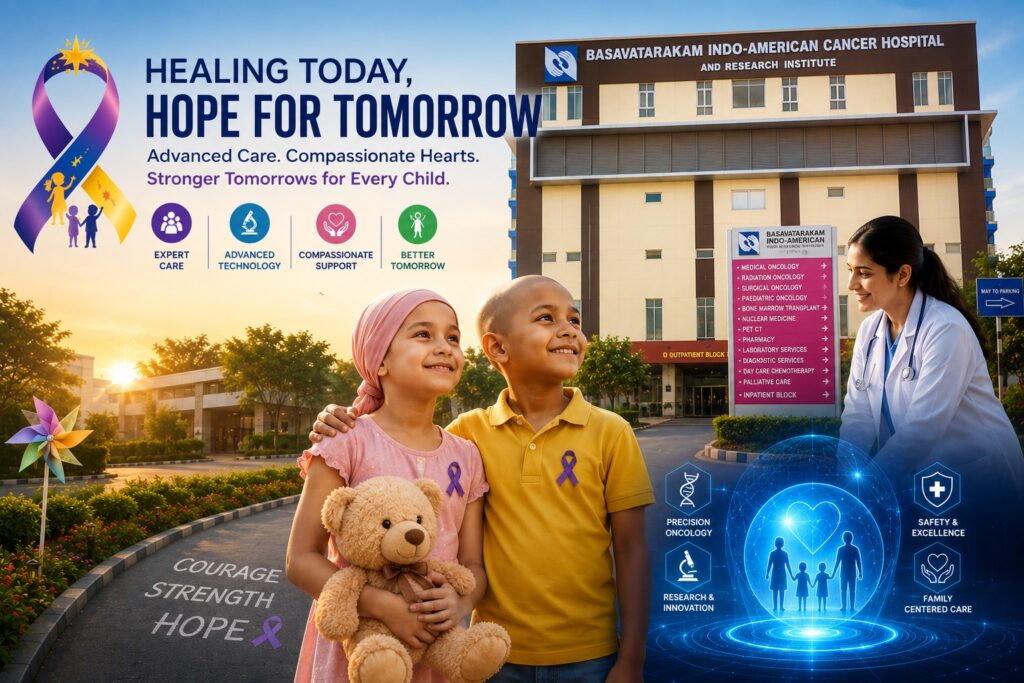
At Basavatarakam Indo-American Cancer Hospital & Research Institute (BIACH&RI), Hyderabad, our Pediatric Hemato-Oncology and Bone Marrow Transplant Centre is dedicated exclusively to the diagnosis, treatment, and long-term care of children with cancer and complex blood disorders. Every child is cared for by a multidisciplinary team that includes pediatric hemato-oncologists, bone marrow transplant specialists, pediatric intensivists, surgeons, radiation oncologists, radiologists, pathologists, nurses, nutritionists, psychologists, rehabilitation experts, and supportive care professionals.
We believe that successful treatment is about much more than eliminating disease. It is about protecting a child’s future—helping them return to school, enjoy childhood, and grow into healthy, confident adults.
Childhood Cancer Is Different from Adult Cancer
One of the most common misconceptions is that childhood cancer is simply a smaller version of adult cancer. In reality, childhood cancers are biologically different.
Adult cancers often develop over many years and are frequently linked to lifestyle or environmental factors such as tobacco use, alcohol, obesity, prolonged sun exposure, or occupational hazards.
Childhood cancers, on the other hand, usually arise because of changes that occur during the growth and development of cells. In most cases, they are not caused by anything parents did or did not do, and they are generally not related to lifestyle choices.
Because children are still growing physically and emotionally, their treatment requires specialised expertise. Every decision must consider not only curing the disease but also protecting future growth, brain development, fertility (when appropriate), heart health, and overall quality of life.
This is why children with cancer should ideally receive care at a dedicated pediatric oncology centre where specialists understand these unique needs.
What Is Pediatric Hemato-Oncology?
Pediatric Hemato-Oncology is a highly specialised branch of medicine that focuses on diagnosing and treating cancers and serious blood disorders in infants, children, and adolescents.
It includes the care of children with:
- Leukemia
- Lymphoma
- Brain tumours
- Neuroblastoma
- Wilms tumour
- Retinoblastoma
- Bone and soft tissue sarcomas
- Thalassemia
- Aplastic anaemia
- Sickle cell disease
- Primary immunodeficiency disorders
- Other inherited and acquired blood disorders
Because these conditions can affect multiple organs and systems, treatment often involves coordinated care from several specialists working together to create an individualised treatment plan.
Why Early Diagnosis Saves Lives
Many childhood cancers begin with symptoms that resemble common childhood illnesses. As a result, diagnosis can sometimes be delayed.
Parents should not panic if a child develops a fever or bruises occasionally—these symptoms are usually caused by common infections or everyday childhood activities. However, when symptoms persist, recur, or are unexplained, they deserve medical evaluation.
Early diagnosis offers several important advantages:
- Treatment can begin before the disease progresses.
- More treatment options may be available.
- The likelihood of successful treatment often improves.
- Complications may be reduced.
- Children may require less intensive therapy in certain situations.
- Long-term quality of life can be better preserved.
Prompt medical assessment is particularly important when symptoms continue despite routine treatment or are accompanied by concerning changes such as persistent fatigue, unexplained weight loss, prolonged fever, or unusual bleeding.
Why Parents Trust Basavatarakam Indo-American Cancer Hospital
Choosing the right hospital is one of the most important decisions a family will make.
At Basavatarakam Indo-American Cancer Hospital & Research Institute, pediatric cancer care combines medical excellence with compassion. Every child is treated in an environment designed to support both recovery and emotional well-being.
Comprehensive Multidisciplinary Care
Children receive coordinated care from specialists across pediatric hemato-oncology, pediatric surgery, radiation oncology, intensive care, pathology, radiology, nutrition, psychology, physiotherapy, and supportive care services.
Advanced Bone Marrow Transplant Programme
Our dedicated Pediatric Bone Marrow Transplant (BMT) programme provides advanced transplant services for eligible children with leukemia, thalassemia, aplastic anaemia, primary immunodeficiency disorders, and other complex blood diseases. The programme includes specialised transplant facilities, infection-control measures, and comprehensive follow-up care.
Family-Centred Care
Parents are recognised as essential members of the treatment team. Throughout the treatment journey, families receive education, counselling, emotional support, and guidance to help them understand every stage of care.
Child-Friendly Environment
A welcoming, child-focused atmosphere helps reduce anxiety and encourages emotional well-being during investigations, treatment, and recovery.
Long-Term Survivorship Care
Treatment does not end when therapy is completed. Regular follow-up clinics monitor growth, development, nutrition, endocrine health, heart function, educational progress, and overall quality of life to support healthy survivorship.
Our Vision: Healing Beyond Cancer
Every child deserves the opportunity to dream, learn, play, and build a bright future.
At Basavatarakam, our mission extends beyond treating disease. We strive to preserve childhood itself. Through advanced medical care, evidence-based treatment, compassionate support, and continuous follow-up, we aim to help every child not only survive cancer but thrive after treatment.
For families facing one of life’s greatest challenges, our message is simple:
There is hope. There are effective treatments. And you do not have to face this journey alone.
Understanding the Most Common Childhood Cancers
A Parent’s Guide to Childhood Cancers and Blood Disorders
Childhood cancer is rare when compared with adult cancers, but it remains one of the leading causes of disease-related death among children worldwide. The encouraging news is that remarkable advances in pediatric oncology have significantly improved survival rates. Today, many children diagnosed with cancer can go on to live healthy, productive lives with timely diagnosis and specialised treatment.
Unlike adult cancers, childhood cancers usually develop rapidly and often arise from immature or developing cells. They require specialised treatment protocols that are very different from those used for adults.
At Basavatarakam Indo-American Cancer Hospital & Research Institute (BIACH&RI), Hyderabad, every child receives an individualised treatment plan developed by a multidisciplinary team, ensuring the best possible care while preserving growth, development, and quality of life.
1. Leukemia – The Most Common Childhood Cancer
Leukemia accounts for nearly one-third of all childhood cancers, making it the most frequently diagnosed cancer in children.
Leukemia begins in the bone marrow, where blood cells are produced. Instead of creating healthy white blood cells that fight infection, the bone marrow produces abnormal immature cells that crowd out normal blood-forming cells.
As a result, children may develop infections, anaemia, fatigue, bruising, or bleeding.
Common Types
Acute Lymphoblastic Leukemia (ALL)
ALL is the most common childhood cancer worldwide.
It develops rapidly but responds very well to modern treatment. Many children with ALL achieve long-term remission and cure when treated according to established pediatric oncology protocols.
Acute Myeloid Leukemia (AML)
AML is less common but generally requires more intensive treatment. Depending on the child’s condition and disease characteristics, treatment may include chemotherapy and, in selected cases, Bone Marrow Transplantation.
Common Symptoms
Parents should consult a pediatric specialist if a child develops:
- Persistent fever
- Frequent infections
- Extreme tiredness
- Pale skin
- Easy bruising
- Nosebleeds
- Bleeding gums
- Bone or joint pain
- Swollen lymph nodes
- Enlarged liver or spleen
Many of these symptoms can also occur with common childhood illnesses. However, if they are persistent or unexplained, prompt medical evaluation is important.
2. Childhood Lymphoma
Lymphoma is a cancer of the lymphatic system, an important part of the body’s immune defence.
It develops when lymphocytes, a type of white blood cell, begin to grow uncontrollably.
Children generally develop two major types.
Hodgkin Lymphoma
This cancer commonly affects adolescents and teenagers.
The most frequent sign is a painless swelling in the neck, underarm, or above the collarbone.
With appropriate treatment, Hodgkin lymphoma is often highly curable.
Non-Hodgkin Lymphoma
Non-Hodgkin lymphoma usually grows more quickly and may involve lymph nodes, abdomen, chest, or other organs.
Children often require urgent diagnosis and specialised treatment.
Symptoms
- Enlarged lymph nodes
- Persistent fever
- Night sweats
- Weight loss
- Fatigue
- Persistent cough
- Abdominal swelling
- Difficulty breathing
3. Brain and Central Nervous System Tumours
Brain tumours are among the most common solid tumours in children.
They can develop in different parts of the brain and spinal cord, affecting movement, vision, speech, learning, and coordination.
Unlike adults, children often present with symptoms related to increased pressure inside the skull.
Warning Signs
Parents should seek medical advice if symptoms persist, particularly when they worsen over time.
These may include:
- Morning headaches
- Vomiting without stomach illness
- Poor balance
- Difficulty walking
- Double vision
- Seizures
- Behavioural changes
- Declining school performance
- Weakness in the arms or legs
Diagnosis typically involves advanced imaging such as MRI and other specialised investigations.
Treatment depends on the tumour type and may include surgery, chemotherapy, radiation therapy, or a combination of these approaches.
4. Neuroblastoma
Neuroblastoma is a rare cancer that develops from immature nerve cells.
It most commonly affects infants and young children under five years of age.
The tumour often begins in the adrenal glands or along the sympathetic nervous system.
Symptoms
- Abdominal lump
- Swollen abdomen
- Bone pain
- Difficulty walking
- Fever
- Weight loss
- Eye changes
- Bruising around the eyes
Because symptoms may resemble common childhood illnesses, specialist evaluation is essential when they persist.
Treatment depends on the child’s age, tumour stage, and biological characteristics.
5. Wilms Tumour (Kidney Cancer)
Wilms tumour is the most common kidney cancer in children.
It usually occurs between the ages of two and five years.
Parents often discover the condition accidentally while bathing or dressing their child.
Symptoms
- Painless abdominal swelling
- Blood in urine
- High blood pressure
- Fever
- Poor appetite
- Abdominal discomfort
Modern treatment combines surgery, chemotherapy, and, in selected situations, radiation therapy.
Many children with Wilms tumour have excellent outcomes when diagnosed early.
6. Retinoblastoma
Retinoblastoma is a rare cancer of the retina that primarily affects infants and young children.
Early diagnosis is extremely important because treatment can often save both life and vision.
Early Warning Signs
One of the earliest signs is a white reflection in the pupil, sometimes noticed in flash photographs.
Other symptoms include:
- Squint (crossed eyes)
- Reduced vision
- Redness of the eye
- Eye swelling
- Persistent eye pain
Parents should seek immediate medical evaluation if they notice these signs.
7. Bone Cancers
Bone cancers usually affect older children and teenagers.
The two most common types are:
- Osteosarcoma
- Ewing Sarcoma
These cancers often occur around the knee, upper arm, pelvis, or other long bones.
Symptoms
- Persistent bone pain
- Pain worsening at night
- Swelling
- Limping
- Reduced movement
- Bone fracture after minor injury
Today, many children can undergo limb-salvage surgery, preserving the affected arm or leg while effectively treating the tumour.
8. Soft Tissue Sarcomas
Soft tissue sarcomas develop in muscles, fat, connective tissue, blood vessels, or nerves.
One of the most common childhood soft tissue sarcomas is rhabdomyosarcoma.
Symptoms
- Growing lump
- Facial swelling
- Difficulty urinating
- Difficulty swallowing
- Persistent pain
- Bleeding from unusual sites
Treatment is individualised and may include surgery, chemotherapy, radiation therapy, or a combination of these.
Childhood Blood Disorders That Require Specialist Care
Not every child seen by a Pediatric Hemato-Oncologist has cancer.
Many children have complex blood disorders that require lifelong specialist care or, in some cases, Bone Marrow Transplantation.
At BIACH&RI, our Pediatric Hemato-Oncology team also manages a wide range of non-malignant blood disorders.
Thalassemia Major
Thalassemia is an inherited blood disorder in which the body cannot produce enough healthy haemoglobin.
Children often require regular blood transfusions.
For suitable patients, Bone Marrow Transplantation offers the possibility of a cure.
Severe Aplastic Anaemia
In aplastic anaemia, the bone marrow fails to produce adequate blood cells.
Children may present with:
- Fatigue
- Frequent infections
- Easy bruising
- Bleeding
- Severe anaemia
Treatment may involve immunosuppressive therapy or Bone Marrow Transplantation, depending on the individual case.
Sickle Cell Disease
Although less common in some regions, sickle cell disease can lead to:
- Severe pain episodes
- Anaemia
- Stroke
- Recurrent infections
- Organ damage
Children require long-term monitoring and comprehensive supportive care.
Primary Immunodeficiency Disorders
These inherited conditions affect the immune system, making children vulnerable to repeated or severe infections.
For selected disorders, Bone Marrow Transplantation can restore healthy immune function.
Childhood Cancer Is Not One Disease
One of the biggest misconceptions is that childhood cancer is a single illness.
In reality, there are many different childhood cancers, each with unique biology, treatment strategies, and expected outcomes.
This is why accurate diagnosis is essential before treatment begins.
Specialised investigations—including pathology, immunophenotyping, cytogenetics, molecular testing, and advanced imaging—help doctors determine the exact diagnosis and develop the most appropriate treatment plan.
At Basavatarakam Indo-American Cancer Hospital & Research Institute, every child’s treatment plan is discussed by a multidisciplinary team to ensure personalised, evidence-based care.
Early Warning Signs of Childhood Cancer
What Every Parent Should Know
Most children experience fevers, bruises, headaches, or stomach aches as part of normal childhood illnesses. In the vast majority of cases, these symptoms are caused by common infections or minor injuries—not cancer.
However, there are situations where persistent, unexplained, or worsening symptoms deserve careful medical evaluation.
Childhood cancers often do not produce one single “classic” symptom. Instead, they may present with subtle signs that continue despite routine treatment. Recognising these warning signs early and seeking timely medical advice can make a significant difference.
It is important to remember that having one or more of these symptoms does not necessarily mean a child has cancer. These signs simply indicate that further medical assessment may be needed.
When Should Parents Seek Medical Attention?
Parents should consult a paediatrician if a child develops symptoms that:
- Persist for more than two weeks without improvement.
- Continue despite appropriate treatment.
- Keep recurring without a clear explanation.
- Become progressively worse.
- Interfere with normal daily activities.
- Occur together with unexplained weight loss, fatigue, or prolonged fever.
If the paediatrician identifies any concerning findings, the child may be referred to a Pediatric Hemato-Oncologist for further evaluation.
Common Warning Signs of Childhood Cancer
1. Persistent Fever Without an Obvious Cause
Fever is one of the most common reasons children visit a doctor and is usually caused by viral or bacterial infections.
However, a fever that continues for several weeks, repeatedly returns, or does not respond as expected to treatment may require further investigation.
Persistent fever can occasionally be associated with conditions such as leukemia, lymphoma, or other serious illnesses.
Parents should pay attention if fever is accompanied by:
- Unusual tiredness
- Poor appetite
- Pale appearance
- Swollen lymph nodes
- Weight loss
- Frequent infections
2. Unusual Tiredness and Weakness
Children are naturally energetic. If a previously active child becomes unusually tired, sleeps excessively, struggles to participate in school or play, or appears weak for several weeks, medical assessment is advisable.
Fatigue may result from anaemia, infections, nutritional deficiencies, or, less commonly, blood disorders such as leukemia or aplastic anaemia.
Seek medical advice if tiredness is associated with:
- Pale skin
- Breathlessness during play
- Dizziness
- Frequent infections
- Bruising or bleeding
3. Easy Bruising or Unexplained Bleeding
Children commonly develop bruises while playing.
However, bruises that appear without injury or are unusually large or frequent deserve attention.
Parents should consult a doctor if they notice:
- Frequent nosebleeds
- Bleeding gums
- Tiny red or purple spots on the skin (petechiae)
- Excessive bruising
- Bleeding that is difficult to stop
These symptoms may be related to problems with platelet production and should be evaluated promptly.
4. Persistent Bone or Joint Pain
Growing children often experience occasional aches after activity.
Persistent pain that continues for weeks, wakes the child at night, causes limping, or limits normal movement should never be ignored.
Bone pain may occasionally be associated with:
- Leukemia
- Bone tumours
- Infections
- Orthopaedic conditions
Medical evaluation helps determine the underlying cause.
5. Swollen Lymph Nodes
Lymph nodes commonly enlarge during infections.
Most swollen glands return to normal within a few weeks.
Parents should seek medical advice if lymph nodes are:
- Larger than expected
- Firm or hard
- Painless
- Increasing in size
- Present for several weeks
- Associated with fever or weight loss
Further evaluation may be required to determine the cause.
6. Persistent Headache with Vomiting
Children can experience headaches for many reasons, including dehydration, vision problems, or viral illnesses.
However, headaches that:
- Are worse in the morning
- Wake the child from sleep
- Occur with repeated vomiting
- Affect walking or balance
- Are associated with seizures or vision changes
require urgent medical assessment.
These symptoms may indicate increased pressure within the skull and should not be delayed.
7. Unexplained Weight Loss
Children generally gain weight as they grow.
Significant weight loss without changes in diet or physical activity should always be investigated.
Parents should also watch for:
- Poor appetite
- Clothes becoming loose
- Reduced energy
- Muscle wasting
Weight loss may occur in several medical conditions and requires evaluation.
8. Persistent Abdominal Swelling
A child’s abdomen may appear full after meals.
However, a persistent abdominal swelling, lump, or increasing abdominal size should be assessed by a healthcare professional.
Possible causes include kidney tumours, neuroblastoma, enlarged liver or spleen, or non-cancerous conditions.
Parents should not attempt to diagnose the cause themselves.
9. White Reflection in the Eye
One of the earliest signs of retinoblastoma is a white reflection in the pupil, often noticed in photographs taken with a flash.
Parents should seek immediate medical evaluation if they notice:
- White pupil
- Squint
- Reduced vision
- Persistent eye redness
- Eye swelling
Early diagnosis can improve the chances of preserving both life and vision.
10. Frequent or Recurrent Infections
Children normally experience several infections each year.
However, infections that are unusually frequent, severe, difficult to treat, or require repeated hospitalisation may indicate an underlying blood or immune disorder.
These children may benefit from specialist evaluation.
11. Persistent Cough or Difficulty Breathing
Most coughs improve within a few weeks.
Persistent cough associated with:
- Breathlessness
- Chest pain
- Swelling of the face or neck
- Difficulty lying flat
should be evaluated promptly.
Rarely, these symptoms may be caused by a mass within the chest.
12. Night Sweats
Occasional sweating during sleep is common.
However, drenching night sweats that repeatedly soak clothing or bedding—especially when accompanied by fever, enlarged lymph nodes, or weight loss—should be discussed with a doctor.
Not Every Symptom Means Cancer
This is one of the most important messages for parents.
A prolonged fever does not automatically mean leukemia.
A swollen lymph node does not automatically mean lymphoma.
Bone pain does not automatically mean bone cancer.
Headaches do not automatically mean a brain tumour.
Most of these symptoms are far more commonly caused by routine childhood illnesses.
However, when symptoms persist, recur, or occur together, they should be evaluated rather than ignored.
Early assessment provides reassurance when symptoms are benign and allows timely treatment if a more serious condition is identified.
How Childhood Cancer Is Diagnosed
If a pediatrician suspects a serious blood disorder or cancer, the child may be referred to a Pediatric Hemato-Oncologist for specialised evaluation.
The diagnostic process is carefully planned to identify the exact condition before treatment begins.
This usually includes a detailed medical history, physical examination, laboratory investigations, imaging studies, and, when appropriate, specialised pathology and genetic tests.
Every child is different, and not every child requires every investigation.
Blood Tests
Blood investigations are often the first step.
These may include:
Complete Blood Count (CBC)
A CBC measures:
- Red blood cells
- White blood cells
- Platelets
- Haemoglobin
Abnormal results can suggest infections, anaemia, blood disorders, or leukemia, but additional tests are needed to confirm a diagnosis.
Peripheral Blood Smear
A pathologist examines blood cells under a microscope to look for abnormal or immature cells.
This simple test can provide important diagnostic clues.
Biochemistry Tests
These tests assess how well organs such as the liver and kidneys are functioning and help doctors plan treatment safely.
Coagulation Profile
Some blood disorders affect the body’s ability to clot.
Coagulation studies help identify bleeding risks before procedures or treatment.
Bone Marrow Examination
When leukemia, aplastic anaemia, or certain blood disorders are suspected, doctors may recommend a bone marrow aspiration and, in some cases, a bone marrow biopsy.
These procedures examine the cells responsible for producing blood.
The samples are analysed using advanced laboratory techniques to determine the exact diagnosis and guide treatment planning.
Advanced Diagnostic Techniques
Modern pediatric oncology increasingly relies on specialised laboratory testing.
Depending on the clinical situation, these may include:
- Flow cytometry (immunophenotyping)
- Cytogenetic analysis
- Molecular genetic testing
- Chromosomal studies
- Minimal residual disease (MRD) assessment during treatment
These tests help doctors classify diseases more precisely and select the most appropriate treatment approach.
Imaging Studies
Imaging helps determine the location, size, and extent of disease.
Depending on the suspected condition, investigations may include:
- Ultrasound
- X-ray
- CT scan
- MRI
- PET-CT scan
- Bone scan (when indicated)
Each test is chosen based on the child’s symptoms and clinical findings.
Biopsy – Confirming the Diagnosis
For many solid tumours, a biopsy is required before treatment begins.
A small sample of tissue is examined by experienced pathologists to identify the exact tumour type.
This information is essential because different childhood cancers require different treatment strategies.
Precision Diagnosis Leads to Personalised Treatment
Modern pediatric oncology is moving away from a “one-size-fits-all” approach.
Today’s treatment decisions are based on:
- The exact diagnosis
- Tumour biology
- Genetic and molecular findings (where applicable)
- Stage or extent of disease
- Risk stratification
- Child’s age and overall health
At Basavatarakam Indo-American Cancer Hospital & Research Institute, every child’s case is reviewed by a multidisciplinary team to develop an individualised treatment plan that balances the best chance of cure with long-term quality of life.
Advanced Treatment Options for Childhood Cancer
Personalised Care for Every Child
Every child diagnosed with cancer is unique. The type of cancer, its stage, genetic characteristics, the child’s age, overall health, and response to treatment all influence the treatment plan.
Modern pediatric oncology no longer follows a “one treatment fits all” approach. Instead, every child receives an individualised treatment plan developed by a multidisciplinary team of specialists.
At Basavatarakam Indo-American Cancer Hospital & Research Institute (BIACH&RI), our Pediatric Hemato-Oncology & Bone Marrow Transplant Centre combines evidence-based medicine, advanced technology, and compassionate care to provide the most appropriate treatment for each child.
The Multidisciplinary Team (MDT): Why It Matters
One of the greatest strengths of specialised pediatric cancer centres is the multidisciplinary team approach.
Rather than relying on a single doctor, every child’s case is carefully reviewed by experts from different specialties to develop the safest and most effective treatment plan.
The team may include:
- Pediatric Hemato-Oncologists
- Pediatric Surgeons
- Bone Marrow Transplant Specialists
- Radiation Oncologists
- Pediatric Intensivists
- Radiologists
- Pathologists
- Anaesthesiologists
- Clinical Pharmacists
- Nutritionists
- Physiotherapists
- Child Psychologists
- Oncology Nurses
- Infection Control Specialists
This collaborative approach ensures that every aspect of the child’s treatment and recovery is carefully planned.
Chemotherapy for Childhood Cancer
Chemotherapy remains one of the most effective treatments for many childhood cancers, particularly leukemia, lymphoma, and several solid tumours.
Chemotherapy uses medicines to destroy cancer cells or stop them from multiplying.
Children often tolerate chemotherapy differently from adults. Because their bodies are still growing, treatment protocols are specially designed to maximise effectiveness while reducing long-term side effects whenever possible.
Chemotherapy may be given:
- Through a vein (intravenous infusion)
- As tablets or liquid medicines
- Into the spinal fluid (intrathecal chemotherapy) for selected conditions
- Occasionally by other specialised methods depending on the cancer type
Treatment is usually delivered in cycles, allowing healthy tissues time to recover between treatments.
Common Side Effects of Chemotherapy
Parents often worry about chemotherapy. While side effects can occur, many are temporary and can be managed with modern supportive care.
Possible side effects include:
- Hair loss
- Nausea or vomiting
- Reduced appetite
- Fatigue
- Mouth sores
- Temporary lowering of blood counts
- Increased risk of infection
At BIACH&RI, children are closely monitored throughout treatment, and supportive medications are provided to reduce discomfort and help manage side effects.
Surgery for Childhood Cancer
Surgery plays an important role in treating many childhood cancers.
The goal of surgery may be to:
- Remove the entire tumour
- Obtain a biopsy to confirm the diagnosis
- Relieve pressure on vital organs
- Reconstruct affected tissues when necessary
Whenever possible, surgeons aim to preserve normal function and support healthy growth and development.
Examples include surgery for:
- Wilms tumour
- Neuroblastoma
- Bone tumours
- Soft tissue sarcomas
- Retinoblastoma (selected cases)
- Brain tumours (performed by specialised neurosurgical teams)
Radiation Therapy
Radiation therapy uses carefully targeted high-energy radiation to destroy cancer cells while minimising exposure to surrounding healthy tissues.
In children, radiation is used only when it is expected to provide a clear benefit, and treatment is planned with particular care to reduce long-term effects on growing organs.
Radiation therapy may be recommended for:
- Brain tumours
- Lymphomas
- Sarcomas
- Selected solid tumours
- Residual disease after surgery
Advanced planning techniques help deliver radiation with precision.
Targeted Therapy
Targeted therapy is one of the most significant advances in cancer treatment.
Unlike traditional chemotherapy, which affects many rapidly dividing cells, targeted therapies are designed to act on specific molecules or pathways involved in the growth of certain cancers.
For selected children, targeted therapy may:
- Improve treatment outcomes
- Reduce damage to healthy cells
- Be used alongside chemotherapy or other treatments
The suitability of targeted therapy depends on the child’s diagnosis and the molecular characteristics of the disease.
Immunotherapy
The immune system is the body’s natural defence against disease.
Immunotherapy helps the immune system recognise and attack cancer cells more effectively.
It is increasingly being used for selected childhood cancers and continues to be an area of active research and clinical advancement.
Depending on the specific diagnosis, immunotherapy may be considered as part of an individualised treatment plan.
Precision Medicine in Pediatric Oncology
Advances in genetics and molecular diagnostics have made cancer treatment more personalised than ever before.
Rather than treating every child with the same approach, doctors increasingly tailor treatment based on:
- Genetic changes within the cancer cells
- Molecular characteristics of the tumour
- Risk category
- Response to treatment
- Minimal Residual Disease (MRD) assessment in selected blood cancers
Precision medicine helps doctors choose therapies that are most likely to benefit the individual child while avoiding unnecessary treatment whenever possible.
Bone Marrow Transplant (BMT)
A Lifesaving Treatment for Many Children
One of the most advanced treatments available in pediatric hemato-oncology is Bone Marrow Transplantation (BMT), also known as Stem Cell Transplantation.
For some children, a Bone Marrow Transplant offers the best chance of long-term disease control or cure.
What Is Bone Marrow?
Bone marrow is the soft tissue found inside bones.
It produces:
- Red blood cells (which carry oxygen)
- White blood cells (which fight infection)
- Platelets (which help stop bleeding)
When the bone marrow is damaged by disease or inherited disorders, it may no longer produce healthy blood cells.
A Bone Marrow Transplant replaces unhealthy blood-forming stem cells with healthy stem cells capable of rebuilding the blood and immune system.
Which Children May Need a Bone Marrow Transplant?
Depending on the child’s diagnosis and clinical condition, BMT may be considered for:
Blood Cancers
- Acute Lymphoblastic Leukemia (selected high-risk or relapsed cases)
- Acute Myeloid Leukemia
- Other selected leukemias
Non-Cancerous Blood Disorders
- Thalassemia Major
- Severe Aplastic Anaemia
- Sickle Cell Disease (selected patients)
Immune System Disorders
- Primary Immunodeficiency Disorders
- Other inherited bone marrow failure syndromes
The decision to perform a transplant is made only after careful evaluation by the Pediatric Hemato-Oncology and BMT team.
Types of Bone Marrow Transplant
Autologous Transplant
In this approach, the child’s own healthy stem cells are collected, stored, and later returned after high-dose treatment.
This type of transplant is used for selected cancers.
Allogeneic Transplant
Healthy stem cells are obtained from another person whose tissue type is compatible with the child.
The donor may be:
- A brother or sister
- Another family member
- An unrelated matched donor
- A parent in selected situations using specialised transplant techniques
What Is a Haploidentical (Half-Matched) Transplant?
Many parents worry because their child does not have a fully matched sibling donor.
Today, advances in transplant medicine have made haploidentical (half-matched) transplants an important option for carefully selected patients.
In many cases, one parent can become the stem cell donor, expanding access to potentially lifesaving treatment when a fully matched donor is unavailable.
The suitability of this approach depends on the child’s diagnosis and overall medical assessment.
Preparing for Bone Marrow Transplant
Before transplantation, children undergo a detailed evaluation, which may include:
- Blood tests
- Organ function assessment
- Infection screening
- Cardiac evaluation
- Lung function assessment (when appropriate)
- Imaging studies
- Donor compatibility testing
This comprehensive evaluation helps ensure the safest possible transplant process.
The Bone Marrow Transplant Journey
The transplant process generally includes:
Step 1 – Pre-Transplant Assessment
Doctors determine whether transplantation is appropriate and identify the most suitable donor.
Step 2 – Conditioning Treatment
The child receives specialised treatment to prepare the bone marrow to accept the new stem cells.
Step 3 – Stem Cell Infusion
Healthy stem cells are infused into the bloodstream through a vein, similar to a blood transfusion.
These cells naturally travel to the bone marrow and begin producing healthy blood cells over time.
Step 4 – Recovery (Engraftment)
During the recovery period, the new stem cells gradually establish themselves within the bone marrow and begin producing healthy blood cells.
This stage requires close monitoring, infection prevention, and specialised supportive care.
Infection Prevention During Bone Marrow Transplant
Because a child’s immune system becomes temporarily weakened during transplantation, preventing infection is a vital part of care.
Specialised transplant units use strict infection-control measures, which may include:
- Protective isolation
- HEPA-filtered air systems
- Rigorous hand hygiene
- Careful visitor policies
- Safe food practices
- Continuous medical monitoring
These measures help protect children while their immune system recovers.
Life After Bone Marrow Transplant
Recovery continues long after the child leaves the hospital.
Follow-up care focuses on:
- Monitoring blood counts
- Preventing infections
- Supporting nutrition and growth
- Assessing immune recovery
- Monitoring school readiness and development
- Managing any late effects of treatment
Regular follow-up appointments are an essential part of long-term recovery and help children return to normal daily life as safely as possible.
Every Child Deserves a Future
A childhood cancer diagnosis changes a family’s life overnight, but it does not define a child’s future.
Thanks to advances in pediatric oncology, Bone Marrow Transplantation, precision medicine, and supportive care, many children today grow up to complete their education, pursue careers, and lead healthy, fulfilling lives.
At Basavatarakam Indo-American Cancer Hospital & Research Institute, our commitment is not only to treat disease but also to help every child achieve the best possible quality of life during treatment and beyond.
Meet Our Pediatric Hemato-Oncology & Bone Marrow Transplant Team
Compassion, Expertise, and Hope for Every Child
When a child is diagnosed with cancer or a serious blood disorder, parents are not only looking for advanced treatment—they are looking for a team they can trust.
Successful childhood cancer treatment depends on far more than medicines or technology. It requires experienced doctors, highly trained nurses, advanced diagnostic services, specialised intensive care, nutritional support, emotional counselling, rehabilitation, and long-term follow-up. Every member of the healthcare team plays an important role in helping children recover and thrive.
At Basavatarakam Indo-American Cancer Hospital & Research Institute (BIACH&RI), Hyderabad, pediatric cancer care is delivered through a dedicated multidisciplinary team committed to providing evidence-based treatment with compassion and dignity.
Expert Leadership in Pediatric Hemato-Oncology & Bone Marrow Transplant
Dr. Veerendra Patil
Senior Consultant – Pediatric Hematology, Oncology & Bone Marrow Transplantation
Children with complex blood disorders and childhood cancers require highly specialised expertise. Dr. Veerendra Patil leads the Pediatric Hematology, Oncology & Bone Marrow Transplant programme at BIACH&RI, bringing advanced knowledge and extensive experience in treating children with life-threatening hematological disorders and cancers.
His clinical interests include:
- Childhood Leukemia (ALL & AML)
- Childhood Lymphomas
- Pediatric Bone Marrow & Stem Cell Transplantation
- Thalassemia Major
- Severe Aplastic Anaemia
- Primary Immunodeficiency Disorders
- Sickle Cell Disease
- Rare Pediatric Blood Disorders
Every treatment plan is carefully individualised after evaluating the child’s diagnosis, disease biology, age, overall health, and family circumstances.
Bone Marrow Transplantation is one of the most complex procedures in pediatric medicine. Under the guidance of experienced transplant specialists, families receive comprehensive counselling before, during, and after transplantation to help them understand every stage of the journey.
Children undergoing treatment often develop a close bond with their treating team. Dr. Pallavi works closely with families to ensure that parents understand the treatment process, expected side effects, and supportive care required throughout therapy.
A Multidisciplinary Team That Cares for Every Child
No single doctor can treat childhood cancer alone.
At BIACH&RI, every child benefits from the collective expertise of a multidisciplinary team that works together to develop a personalised treatment plan.
Depending on the child’s condition, this team may include:
- Pediatric Hemato-Oncologists
- Bone Marrow Transplant Specialists
- Pediatric Surgeons
- Pediatric Neurosurgeons
- Radiation Oncologists
- Pediatric Intensivists
- Radiologists
- Pathologists
- Clinical Microbiologists
- Anaesthesiologists
- Clinical Pharmacists
- Physiotherapists
- Occupational Therapists
- Clinical Nutritionists
- Child Psychologists
- Medical Social Workers
- Specially Trained Pediatric Oncology Nurses
Regular multidisciplinary discussions help ensure that every treatment decision is based on the latest evidence and tailored to the child’s individual needs.
Advanced Bone Marrow Transplant Unit
Bone Marrow Transplantation requires specialised infrastructure, strict infection control, and continuous monitoring.
At BIACH&RI, the Pediatric Bone Marrow Transplant Unit is designed to provide a safe environment for children undergoing transplantation.
Dedicated HEPA-Filtered Isolation Rooms
Children receiving Bone Marrow Transplants are especially vulnerable to infections while their immune system recovers.
The transplant unit includes dedicated isolation facilities equipped with HEPA (High-Efficiency Particulate Air) filtration systems, helping to reduce exposure to airborne microorganisms during this critical phase of treatment.
Round-the-Clock Monitoring
A dedicated team of transplant physicians, nurses, intensivists, and infection control specialists closely monitors children throughout the transplant journey, ensuring that any complications are recognised and managed promptly.
Child-Friendly Cancer Care
Hospitals can feel intimidating for children.
At BIACH&RI, efforts are made to create an environment where children feel supported and cared for throughout their treatment journey.
A child-friendly approach includes:
- Welcoming treatment areas
- Age-appropriate communication
- Family involvement in care
- Emotional reassurance
- Gentle, compassionate interactions from healthcare professionals
Reducing fear and anxiety is an important part of helping children cope with treatment.
Specialised Pediatric Oncology Nursing
Pediatric oncology nurses are often the healthcare professionals who spend the most time with children and their families.
They play a vital role by:
- Administering chemotherapy safely
- Monitoring treatment response
- Identifying early complications
- Educating parents
- Supporting infection prevention
- Providing emotional reassurance
Their expertise and compassion contribute significantly to the child’s overall treatment experience.
Clinical Nutrition – Supporting Growth During Treatment
Cancer treatment can affect a child’s appetite, weight, and nutritional status.
Good nutrition is essential for:
- Supporting immunity
- Promoting healing
- Improving tolerance to treatment
- Maintaining healthy growth and development
Experienced clinical nutritionists work with families to develop personalised meal plans that address each child’s nutritional needs throughout treatment.
Psychological Support for Children and Families
A cancer diagnosis affects the entire family.
Children may experience fear, confusion, or anxiety, while parents and siblings often face emotional and practical challenges.
Psychological support helps families:
- Understand the diagnosis
- Cope with treatment-related stress
- Address emotional concerns
- Encourage healthy adjustment
- Improve communication within the family
Providing emotional care alongside medical treatment is an important part of comprehensive pediatric oncology services.
Infection Prevention – A Critical Priority
Children receiving chemotherapy or Bone Marrow Transplants often have weakened immune systems.
Strict infection prevention measures are therefore an integral part of care.
These include:
- Hand hygiene protocols
- Protective isolation when required
- Safe food practices
- Environmental cleaning
- Careful monitoring for signs of infection
- Timely use of antimicrobial therapies when indicated
Families also receive education on how to reduce infection risks after returning home.
Rehabilitation and Recovery
Recovery from childhood cancer involves more than completing treatment.
Some children may benefit from rehabilitation services that help improve:
- Physical strength
- Mobility
- Balance
- Endurance
- Daily functioning
- School readiness
Early rehabilitation can support a smoother transition back to everyday life.
Long-Term Survivorship Programme
Thanks to advances in treatment, many children now become long-term cancer survivors.
Survivorship care focuses on helping children enjoy healthy lives after treatment by monitoring:
- Growth and development
- Hormonal health
- Heart function
- Lung function
- Hearing and vision
- Learning and educational progress
- Emotional well-being
- Late effects of therapy
Regular follow-up appointments allow healthcare teams to identify and address any long-term health needs as children grow.
Why Families Choose Basavatarakam Indo-American Cancer Hospital
Families from across Telangana, Andhra Pradesh, and neighbouring states choose BIACH&RI because of its commitment to specialised, compassionate, and evidence-based pediatric cancer care.
Some of the strengths of our Pediatric Hemato-Oncology & Bone Marrow Transplant programme include:
✓ Dedicated Pediatric Hemato-Oncology Specialists
✓ Comprehensive Bone Marrow Transplant Services
✓ Multidisciplinary Team-Based Care
✓ Advanced Diagnostic Facilities
✓ Child-Focused Treatment Environment
✓ Dedicated Infection Control Practices
✓ Experienced Pediatric Oncology Nursing
✓ Clinical Nutrition Support
✓ Psychological Counselling
✓ Rehabilitation Services
✓ Long-Term Survivorship Follow-up
✓ Family-Centred Care
Our goal is simple: to provide every child with the highest standard of care while supporting families through every stage of diagnosis, treatment, recovery, and survivorship.
Hope for Every Child
A childhood cancer diagnosis is life-changing, but it is not the end of a child’s story.
With advances in pediatric oncology, Bone Marrow Transplantation, precision diagnostics, and multidisciplinary care, more children than ever before are overcoming cancer and serious blood disorders.
At Basavatarakam Indo-American Cancer Hospital & Research Institute, we are committed to walking alongside every family with compassion, expertise, and hope—helping children not only survive but also grow, learn, dream, and build a healthy future.
Frequently Asked Questions (FAQs)
Childhood Cancer, Blood Disorders & Bone Marrow Transplant
1. What is childhood cancer?
Childhood cancer refers to cancers that develop in infants, children, and adolescents. Unlike adult cancers, childhood cancers usually arise from changes in developing cells and are generally not linked to lifestyle factors. Common childhood cancers include leukemia, lymphoma, brain tumours, neuroblastoma, Wilms tumour, retinoblastoma, and bone cancers.
2. Is childhood cancer curable?
Yes. Many childhood cancers can be successfully treated, and a significant number of children achieve long-term remission or cure, particularly when diagnosed early and managed at a specialised pediatric oncology centre.
3. What is the most common childhood cancer?
Leukemia is the most common childhood cancer, accounting for approximately one-third of all childhood cancers.
4. What are the early warning signs of childhood cancer?
Some warning signs include:
- Persistent fever
- Unexplained bruising or bleeding
- Frequent infections
- Persistent bone pain
- Swollen lymph nodes
- Pale appearance
- Unexplained weight loss
- Persistent headaches with vomiting
- White reflection in the eye
- Persistent abdominal swelling
These symptoms do not necessarily indicate cancer, but persistent or unexplained symptoms should be evaluated by a doctor.
5. What is Pediatric Hemato-Oncology?
Pediatric Hemato-Oncology is a specialised medical field dedicated to diagnosing and treating childhood cancers and serious blood disorders such as leukemia, lymphoma, thalassemia, aplastic anaemia, and inherited immune disorders.
6. What is a Bone Marrow Transplant (BMT)?
A Bone Marrow Transplant, also known as a Stem Cell Transplant, replaces damaged or diseased blood-forming stem cells with healthy stem cells. It is an established treatment for selected blood cancers, inherited blood disorders, and immune system disorders.
7. Which diseases may require a Bone Marrow Transplant?
Depending on the individual child’s condition, a Bone Marrow Transplant may be considered for:
- Acute Leukemia
- Severe Aplastic Anaemia
- Thalassemia Major
- Selected Sickle Cell Disease cases
- Primary Immunodeficiency Disorders
- Other inherited bone marrow failure syndromes
8. Can a parent donate bone marrow to their child?
In selected situations, yes. Advances in haploidentical (half-matched) transplantation have made it possible for a parent to serve as a stem cell donor when a fully matched donor is unavailable.
9. Is Bone Marrow Transplant painful?
The stem cell infusion itself is similar to receiving a blood transfusion. Some parts of the treatment process, such as conditioning therapy, may have side effects, but children are carefully monitored and receive supportive care to minimise discomfort.
10. How long does a Bone Marrow Transplant take?
The transplant process includes evaluation, preparation, stem cell infusion, and recovery. Hospital stay and recovery time vary depending on the child’s condition and the type of transplant.
11. Does every child with leukemia need a Bone Marrow Transplant?
No. Many children with leukemia respond well to chemotherapy alone. Bone Marrow Transplant is recommended only for selected patients based on disease type, risk category, response to treatment, and other clinical factors.
12. Can childhood cancer return after treatment?
Some childhood cancers can recur. Regular follow-up appointments are essential to monitor recovery, detect any recurrence early, and manage long-term health needs.
13. Are childhood cancers inherited?
Most childhood cancers are not inherited. However, a small proportion are associated with inherited genetic conditions. Your treating team may recommend genetic counselling or testing in selected cases.
14. Can children attend school after cancer treatment?
Many children return to school after treatment. The timing depends on recovery, immune status, and the advice of the treating team. Schools can often provide additional support during the transition.
15. How can parents support a child during treatment?
Parents can help by:
- Following the treatment plan
- Ensuring good nutrition
- Encouraging hand hygiene
- Attending follow-up appointments
- Offering emotional reassurance
- Maintaining open communication with the healthcare team
Why Early Diagnosis Makes a Difference
Parents know their children better than anyone else.
If a symptom persists, keeps returning, or simply doesn’t seem right, trust your instincts and seek medical advice. While most childhood illnesses are not cancer, early evaluation helps identify serious conditions promptly and provides reassurance when symptoms are due to less serious causes.
Timely diagnosis gives children the best opportunity for appropriate treatment and recovery.
Why Choose Basavatarakam Indo-American Cancer Hospital & Research Institute?
Families choose BIACH&RI because it offers:
- Dedicated Pediatric Hemato-Oncology specialists
- Advanced Pediatric Bone Marrow Transplant programme
- Multidisciplinary team-based care
- Child-focused treatment environment
- Modern diagnostic facilities
- Infection-control protocols
- Comprehensive nutritional and psychological support
- Long-term survivorship and follow-up care
- Family-centred treatment approach
Our mission is to provide compassionate, evidence-based care that supports children and their families throughout every stage of the treatment journey.
A Message of Hope for Every Parent
Hearing that your child may have cancer or a serious blood disorder can feel overwhelming. It is natural to have questions, fears, and uncertainties.
Today, however, there is more reason for hope than ever before.
Advances in pediatric oncology, precision diagnostics, chemotherapy, surgery, radiation therapy, and Bone Marrow Transplantation have transformed the outlook for many children. With early diagnosis, expert multidisciplinary care, and ongoing support, many children go on to lead healthy, fulfilling lives.
At Basavatarakam Indo-American Cancer Hospital & Research Institute, we believe that every child deserves not only the best possible treatment but also the opportunity to grow, learn, play, and dream. Our dedicated Pediatric Hemato-Oncology & Bone Marrow Transplant team is committed to providing world-class care with compassion, expertise, and hope.
If you have concerns about your child’s health or have been advised to seek specialised care, our team is here to guide you through every step of the journey.