What Is Cancer? Understanding Its Causes, Types, Symptoms and Treatment
Cancer is a health condition that affects millions of people and families worldwide. Although the word can cause fear and uncertainty, understanding cancer is an important first step towards making informed decisions about health, diagnosis, and treatment.
With advances in medical research, diagnostic technology, and cancer treatment, many cancers can be treated successfully, particularly when they are identified early and managed appropriately.
At Basavatarakam Indo-American Cancer Hospital & Research Institute (BIACH&RI), we believe that reliable health information, awareness, and timely medical care play an important role in the journey towards better cancer outcomes.
What Is Cancer?
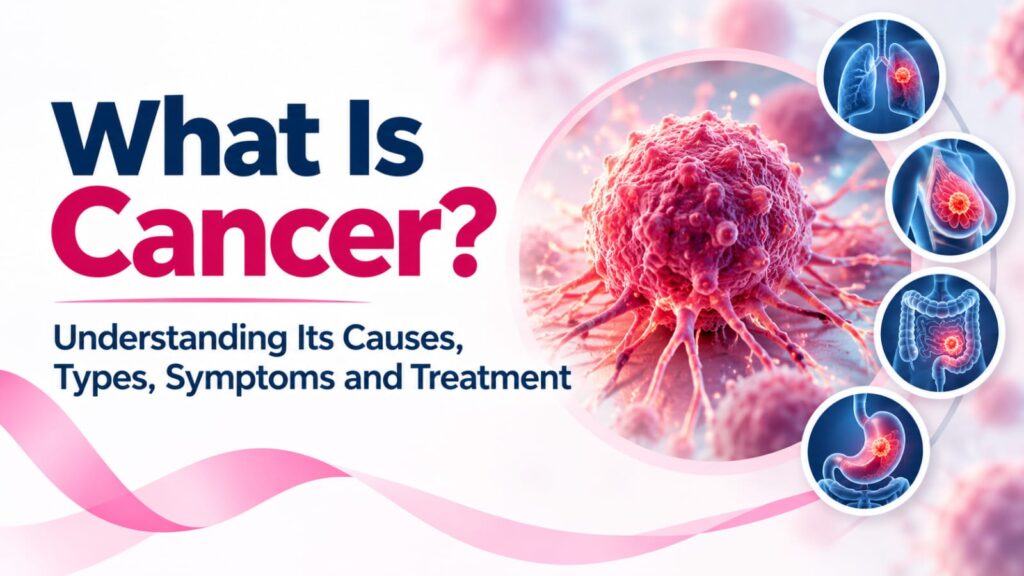
Cancer is a group of diseases in which abnormal cells grow uncontrollably and may invade nearby tissues or spread to other parts of the body. Normally, the body’s cells grow, divide, and die in a regulated manner. Cancer develops when changes in the cells disrupt this process.
Some abnormal cells form a mass called a tumour. However, not all tumours are cancerous. Benign tumours do not invade nearby tissues or spread to distant parts of the body, whereas malignant tumours can invade surrounding tissues and may spread through the blood or lymphatic system. This spread is known as metastasis.
Not all cancers form solid tumours. For example, leukaemia develops in blood-forming tissues and generally does not produce a solid tumour.
Understanding the nature of cancer helps people recognise the importance of appropriate medical evaluation and diagnosis.
How Does Cancer Develop?
Cancer develops when changes in the genetic material of cells affect the way they grow, divide, and survive. These changes may accumulate over time and allow abnormal cells to multiply when they should not.
Cancer-related genetic changes may occur because of:
- Errors that happen naturally when cells divide.
- Exposure to certain harmful substances, including chemicals in tobacco smoke.
- Ultraviolet radiation from sunlight and other sources.
- Certain inherited genetic changes.
- Some persistent infections associated with particular cancers.
Cancer does not always have one identifiable cause. In many cases, several factors may contribute to its development. Having a risk factor does not necessarily mean a person will develop cancer, and people without recognised risk factors can also be diagnosed with the disease.
What Are the Common Types of Cancer?
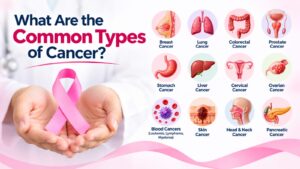
Cancer can develop in almost any organ or tissue of the body. It is generally named according to where it begins or the type of cell involved.
Some commonly diagnosed cancers include:
Breast Cancer: Develops in breast tissue and can affect women and, less commonly, men.
Lung Cancer: Begins in the lungs and is associated with several risk factors, including tobacco smoking and exposure to certain environmental substances.
Oral Cancer: Affects tissues of the mouth and may be associated with tobacco use, alcohol consumption, and certain infections.
Cervical Cancer: Develops in the cervix and is strongly associated with persistent infection with high-risk types of human papillomavirus (HPV).
Colorectal Cancer: Develops in the colon or rectum and may present with changes in bowel habits, blood in the stool, or other symptoms.
Prostate Cancer: Develops in the prostate gland and primarily affects men.
Blood Cancers: Include leukaemia, lymphoma, and multiple myeloma, which affect blood-forming tissues or cells of the immune system.
Each cancer type has distinct characteristics. Its diagnosis, treatment, and prognosis depend on factors such as the location of the cancer, its stage, and its biological features.
What Are the Warning Signs and Symptoms of Cancer?
Cancer symptoms vary depending on the type of cancer, its location, and how it develops. Some cancers may cause noticeable symptoms early, while others may not produce clear warning signs until later.
Possible warning signs include:
- A new lump or swelling that persists or increases in size.
- Unexplained weight loss.
- Persistent fatigue without an obvious cause.
- Unusual bleeding or discharge.
- A persistent cough or changes in the voice.
- Changes in bowel or bladder habits.
- Difficulty swallowing or persistent digestive discomfort.
- Changes in the appearance of a mole or a wound that does not heal.
- Persistent pain or other unexplained symptoms.
These symptoms can occur for many reasons other than cancer. Experiencing one of them does not automatically mean that you have cancer. However, persistent, unexplained, or worsening symptoms should be evaluated by a qualified healthcare professional.
What Are the Risk Factors for Cancer?
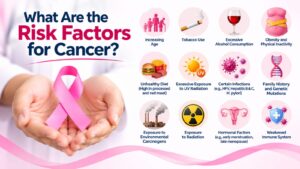
Cancer risk can be influenced by a combination of lifestyle, environmental, biological, and genetic factors.
Important risk factors include:
- Tobacco use in any form.
- Alcohol consumption.
- Excess body weight and physical inactivity.
- Certain dietary and environmental exposures.
- Excessive ultraviolet radiation exposure.
- Increasing age.
- Family history and inherited genetic changes.
- Certain infections, including high-risk HPV and hepatitis B and C.
Not all cancer risk factors can be avoided. However, understanding personal risk and making appropriate lifestyle choices can help reduce the likelihood of developing some cancers.
How Can You Reduce Your Risk of Cancer?
Although no strategy can prevent every cancer, evidence-based preventive measures can reduce the risk of several types.
Consider the following steps:
Avoid tobacco: Do not smoke or use tobacco products. Seek professional support if you need help quitting.
Maintain a healthy lifestyle: Aim for regular physical activity, a healthy body weight, and a balanced diet rich in vegetables, fruits, whole grains, and other nutritious foods.
Limit or avoid alcohol: Alcohol consumption is associated with an increased risk of several cancers.
Consider recommended vaccinations: HPV and hepatitis B vaccination can help prevent infections associated with certain cancers. Ask a healthcare professional about eligibility and recommended schedules.
Protect your skin: Use sun protection and avoid excessive ultraviolet exposure.
Follow appropriate screening recommendations: Depending on your age, sex, medical history, and individual risk, a healthcare professional may recommend specific cancer screening tests.
These measures support cancer prevention but cannot eliminate all risk. Regular medical guidance remains important.
Why Is Early Cancer Detection Important?
Early detection can help identify cancer before it progresses to an advanced stage. For many cancers, treatment is more likely to be successful when the disease is diagnosed early and appropriate care begins without unnecessary delays.
Early detection involves two important approaches:
Early diagnosis: Recognising possible symptoms, seeking medical advice, completing recommended investigations, and beginning appropriate treatment promptly.
Cancer screening: Testing people who do not have symptoms to identify possible signs of a particular cancer before it becomes clinically apparent.
Screening is not the same for every cancer. The appropriate tests and starting ages depend on the cancer type, individual risk, and applicable medical recommendations.
It is important not to wait for symptoms when a screening test is recommended for you. Similarly, a normal screening result should not be used to dismiss new or persistent symptoms.
How Is Cancer Diagnosed?
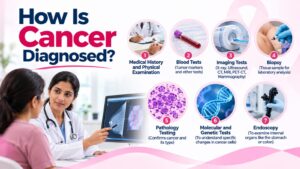
Cancer diagnosis involves identifying the type of cancer and determining how far it has developed. The investigations required depend on the patient’s symptoms, medical history, and clinical findings.
Common diagnostic methods include:
Clinical examination: A doctor assesses symptoms, examines the relevant area, and reviews the patient’s medical history.
Imaging tests: Tests such as ultrasound, X-rays, CT scans, MRI, or PET-CT may help identify abnormalities and assess the extent of disease when indicated.
Laboratory investigations: Blood tests and other laboratory tests can provide useful information about a patient’s health and support the diagnostic process.
Biopsy and pathological examination: In many cases, a tissue sample is examined under a microscope to confirm the diagnosis and identify the cancer type.
Additional specialised tests: Depending on the cancer, molecular, genetic, or biomarker testing may help guide treatment decisions.
Not every patient requires every test. The treating team recommends investigations according to the suspected cancer and the information needed to plan appropriate care.
What Are the Treatment Options for Cancer?
Cancer treatment has advanced significantly, and treatment plans are increasingly tailored to the individual. The choice of treatment depends on the cancer type, stage, molecular characteristics, overall health, and the patient’s preferences.
Common treatment options include:
Surgery: Removes the tumour or affected tissue when appropriate.
Chemotherapy: Uses medicines to destroy cancer cells or slow their growth.
Radiation Therapy: Uses targeted radiation to destroy cancer cells or control tumour growth.
Immunotherapy: Helps the immune system recognise and fight certain cancers.
Targeted Therapy: Uses medicines that act on specific features of cancer cells.
Hormone Therapy: Blocks or reduces the effects of hormones that help certain cancers grow.
Bone Marrow or Stem Cell Transplantation: May be recommended for selected blood cancers and other specific conditions.
Some patients receive one treatment, while others require a combination of approaches. Supportive and palliative care can also help manage symptoms, treatment-related side effects, and emotional or practical challenges throughout the cancer journey.
A multidisciplinary oncology team works together to determine the most appropriate care plan for each patient.
Life After a Cancer Diagnosis: The Importance of Support
A cancer diagnosis can bring physical, emotional, and practical challenges for patients and their families. Access to clear information, appropriate medical care, and emotional support can make a meaningful difference throughout treatment and recovery.
Patients should feel comfortable discussing their concerns, understanding their treatment options, reporting side effects, and asking questions during consultations.
Nutrition guidance, rehabilitation, psychological support, symptom management, and follow-up care may form important parts of a comprehensive cancer care plan.
Every patient’s experience is different. Care should be guided by individual needs, treatment goals, and medical advice.
When Should You Seek Medical Advice?

Consult a qualified healthcare professional if you notice a persistent or unexplained change in your body, develop symptoms that concern you, or have questions about your personal cancer risk.
If you have a strong family history of cancer or known inherited risk factors, discuss whether additional assessment or screening is appropriate.
Do not delay evaluation because a symptom is painless or assume that an unusual change is harmless. Timely assessment helps determine whether further investigation is necessary.
Take an Informed Step Towards Better Health
Cancer is not a single disease, and every diagnosis is different. Understanding the warning signs, recognising risk factors, following appropriate screening recommendations, and seeking medical advice promptly are important steps towards better health.
At Basavatarakam Indo-American Cancer Hospital & Research Institute (BIACH&RI), we are committed to providing comprehensive cancer care and promoting awareness that empowers individuals to make informed decisions about their health.
Awareness is the beginning. Timely evaluation is an important next step. Informed care can make a difference.
For appointments and further information, contact BIACH&RI at 1800 4253 6666 | 7729 800 800 or visit www.basavatarakam.org.
Medical disclaimer: This article is intended for general educational purposes only. It does not replace professional medical advice, diagnosis, or treatment. Consult a qualified healthcare professional for individual guidance.