Liver Cancer: Symptoms, Diagnosis, Stages and Treatment
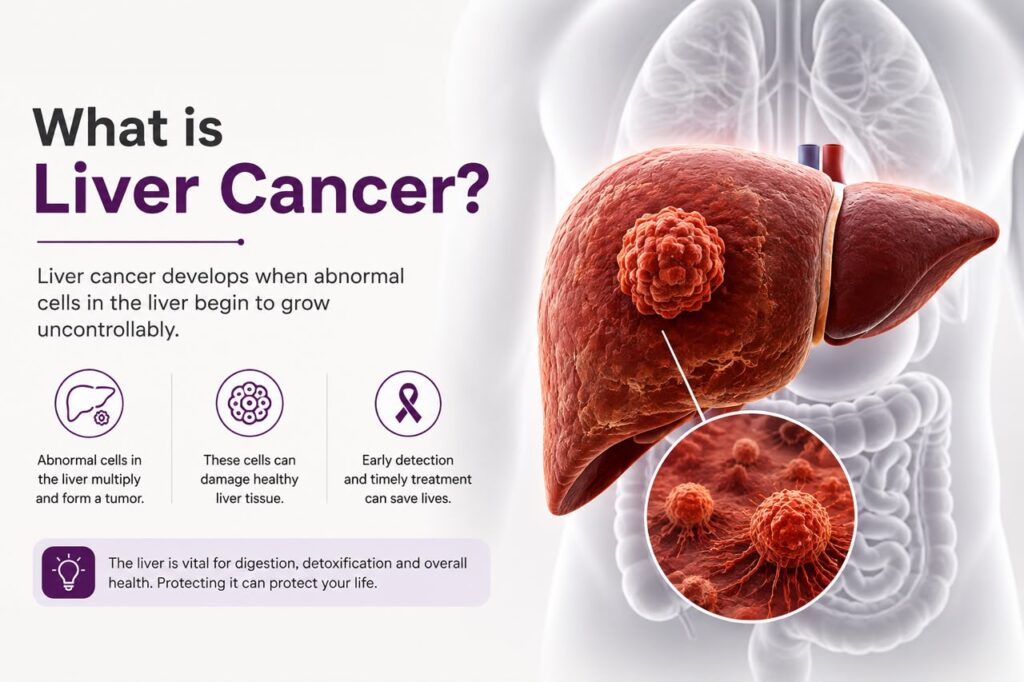
Liver cancer develops when abnormal cells in the liver begin to grow uncontrollably.
The liver is one of the body’s most important organs. It helps process nutrients, produces important proteins, stores energy, supports digestion and removes certain substances from the blood.
Liver cancer is not one single disease. Different types of tumors can develop in the liver, and treatment depends on the exact type of cancer.
The most common primary liver cancer in adults is hepatocellular carcinoma (HCC), which develops from hepatocytes, the main cells of the liver.
Other primary liver cancers include intrahepatic cholangiocarcinoma, which develops from bile duct cells within the liver.
Cancer can also spread to the liver from another organ. These are called liver metastases or secondary liver cancers and are different from primary liver cancer.
Understanding this distinction is extremely important because the treatment of primary liver cancer and cancer that has spread to the liver can be very different.
At Basavatarakam Indo-American Cancer Hospital & Research Institute (BIACH&RI), Hyderabad, liver and hepatobiliary cancers can be evaluated through a multidisciplinary approach involving GI Surgical Oncology, Medical Oncology, Radiation Oncology, Radiology, Nuclear Medicine, Pathology, Molecular Diagnostics, Gastroenterology and supportive-care services, depending on the patient’s individual diagnosis.
What Is Liver Cancer?
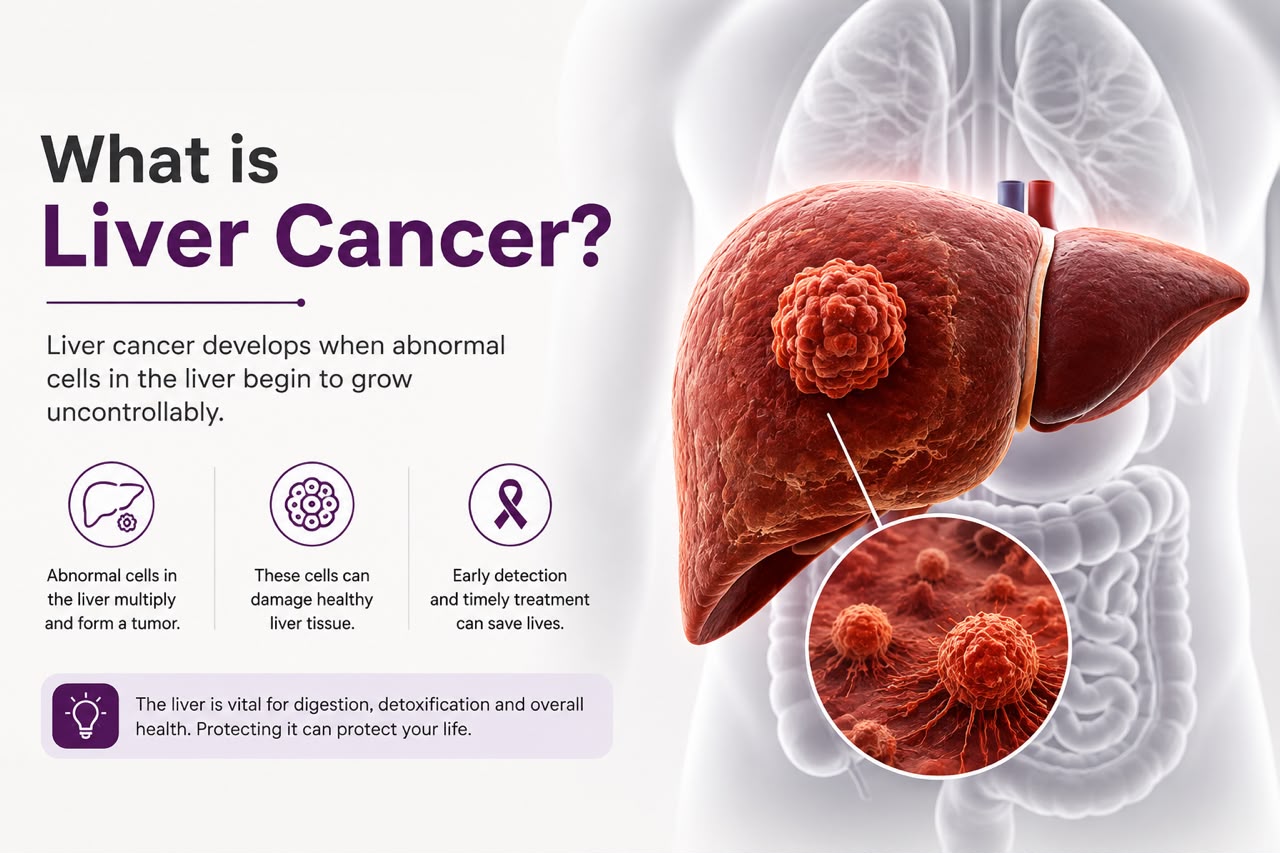
The liver is located in the upper right portion of the abdomen, beneath the rib cage.
Primary liver cancer begins within the liver itself.
The most common primary liver cancer in adults is:
Hepatocellular Carcinoma (HCC)
HCC develops from hepatocytes, the major functional cells of the liver.
Another important primary liver cancer is:
Intrahepatic Cholangiocarcinoma
This cancer develops from bile duct cells located within the liver.
Other rare liver tumors can also occur.
Primary Liver Cancer vs Liver Metastases
This distinction is important.
Primary Liver Cancer
The cancer begins in the liver.
Examples include:
- Hepatocellular carcinoma
- Intrahepatic cholangiocarcinoma
Secondary Liver Cancer
The cancer begins somewhere else and later spreads to the liver.
Common cancers that can spread to the liver include:
- Colorectal cancer
- Breast cancer
- Pancreatic cancer
- Stomach cancer
- Lung cancer
- Neuroendocrine cancers
- Other gastrointestinal cancers
Treatment is generally based on the original cancer.
For example, colorectal cancer that has spread to the liver is still treated as metastatic colorectal cancer, rather than as primary liver cancer.
Understanding the Liver
The liver performs many essential functions, including:
- Processing nutrients
- Producing proteins
- Producing bile
- Helping regulate blood clotting
- Storing energy
- Processing medicines and other substances
- Supporting immune function
Because the liver performs so many functions, doctors must consider both the tumor and the remaining liver function when planning treatment.
This is particularly important in patients with chronic liver disease or cirrhosis.
What Causes Liver Cancer?
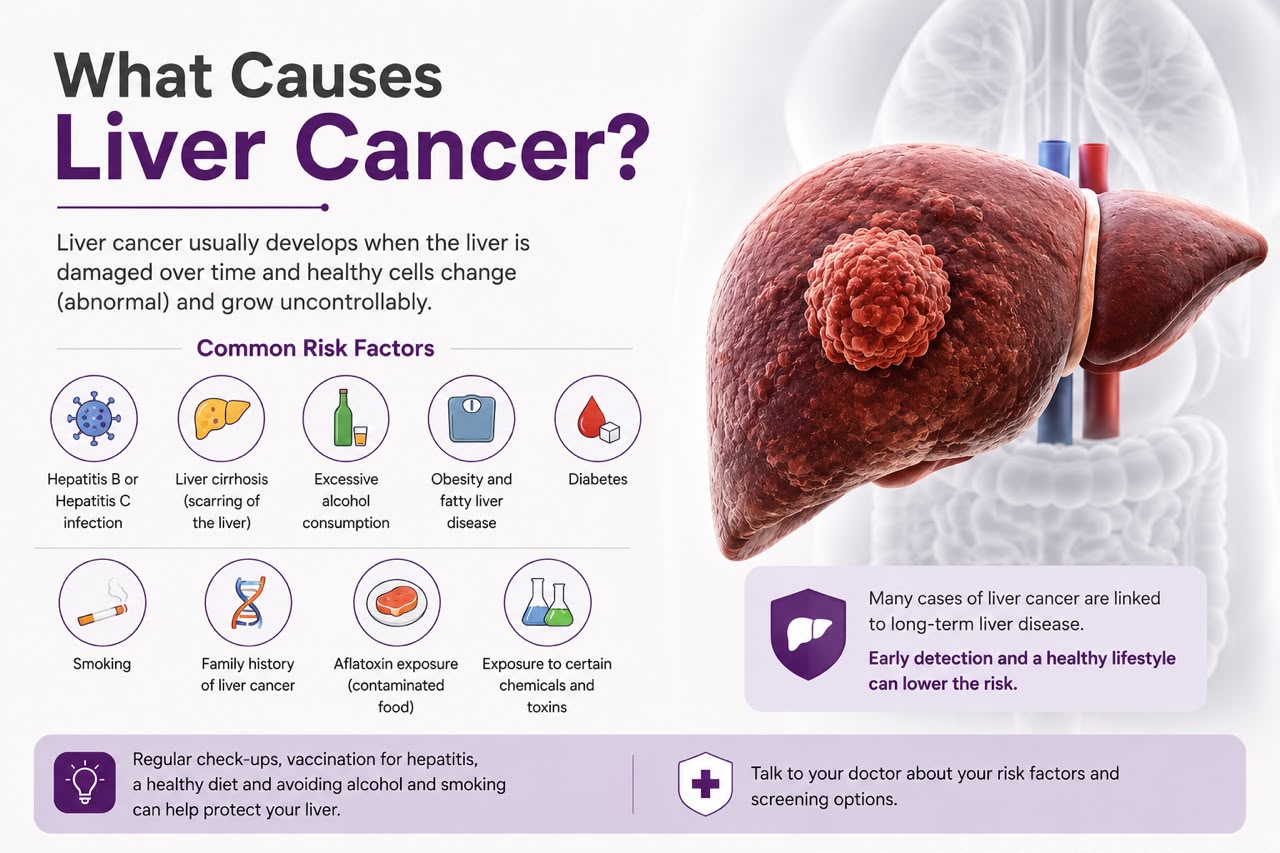
Liver cancer can develop for several reasons.
Important risk factors include:
- Chronic hepatitis B infection
- Chronic hepatitis C infection
- Cirrhosis
- Long-term heavy alcohol consumption
- Metabolic dysfunction-associated steatotic liver disease
- Metabolic dysfunction-associated steatohepatitis
- Certain inherited metabolic conditions
- Exposure to certain toxins
- Certain chronic liver diseases
Not every person with liver cancer has an identifiable risk factor.
Hepatitis B and Liver Cancer
Chronic hepatitis B infection is an important risk factor for hepatocellular carcinoma.
Long-standing infection can cause chronic inflammation and liver damage, increasing the risk of cirrhosis and liver cancer.
Hepatitis B can be prevented through vaccination.
People living with chronic hepatitis B may require regular medical monitoring and liver-cancer surveillance according to their individual risk.
Hepatitis C and Liver Cancer
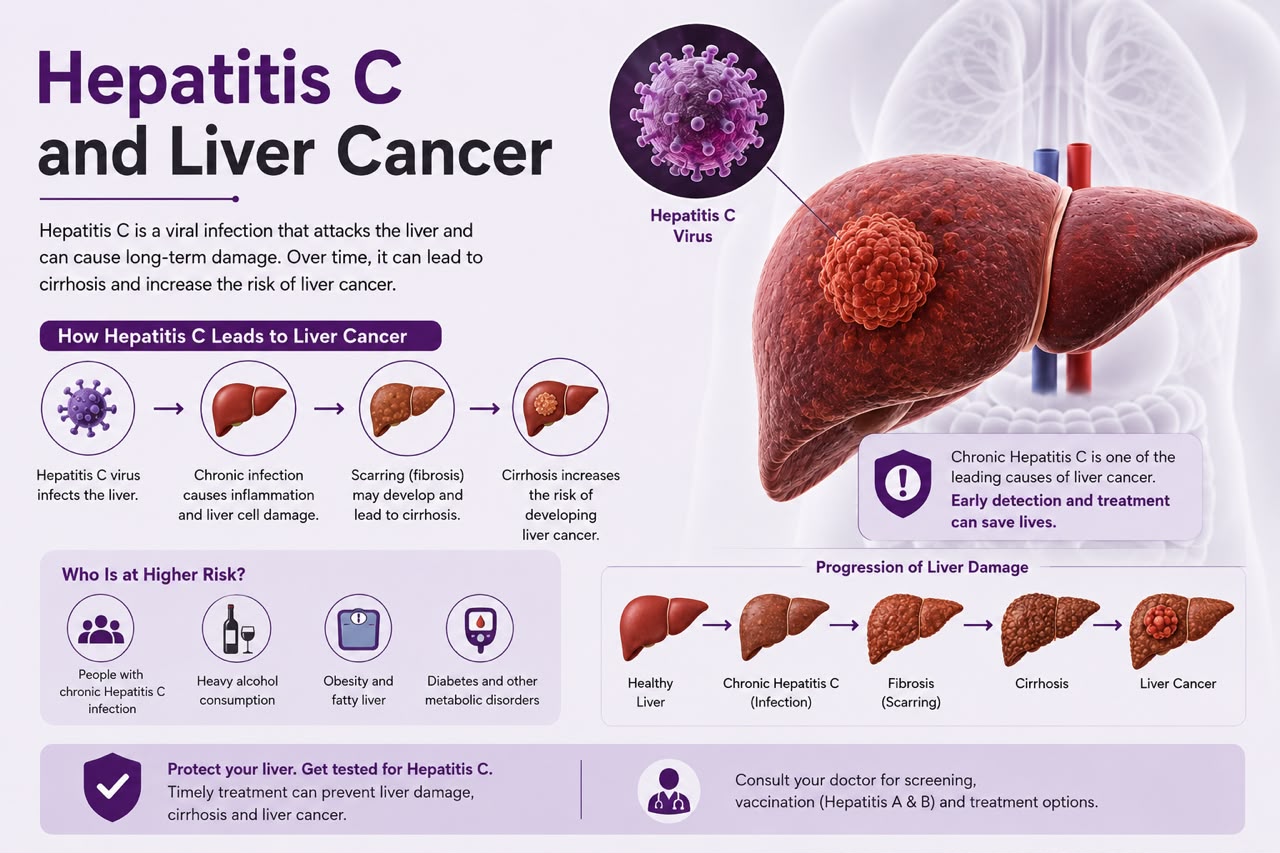
Chronic hepatitis C infection can cause progressive liver damage.
Over time, this can result in fibrosis and cirrhosis, which can increase the risk of hepatocellular carcinoma.
Effective antiviral treatments are available for hepatitis C, and appropriate treatment can significantly reduce the long-term health consequences of chronic infection.
Patients with advanced liver disease may still require ongoing surveillance even after successful treatment.
Cirrhosis and Liver Cancer
Cirrhosis is advanced scarring of the liver.
It can develop due to:
- Viral hepatitis
- Alcohol-related liver disease
- Metabolic liver disease
- Certain autoimmune liver diseases
- Other chronic liver conditions
Cirrhosis significantly increases the risk of hepatocellular carcinoma.
This is why people with cirrhosis may require regular surveillance for liver cancer.
Fatty Liver Disease and Liver Cancer
Metabolic liver disease has become an increasingly important cause of chronic liver disease.
Fat accumulation in the liver can sometimes progress to inflammation, fibrosis and cirrhosis.
In selected patients, liver cancer can develop in the setting of metabolic liver disease.
Maintaining a healthy weight, regular physical activity and appropriate management of diabetes and metabolic conditions can support liver health.
Alcohol and Liver Cancer
Long-term heavy alcohol consumption can damage the liver.
Alcohol-related liver disease may progress through:
- Fatty liver
- Alcohol-associated hepatitis
- Fibrosis
- Cirrhosis
Cirrhosis substantially increases the risk of liver cancer.
Reducing or avoiding alcohol can help protect liver health.
Symptoms of Liver Cancer
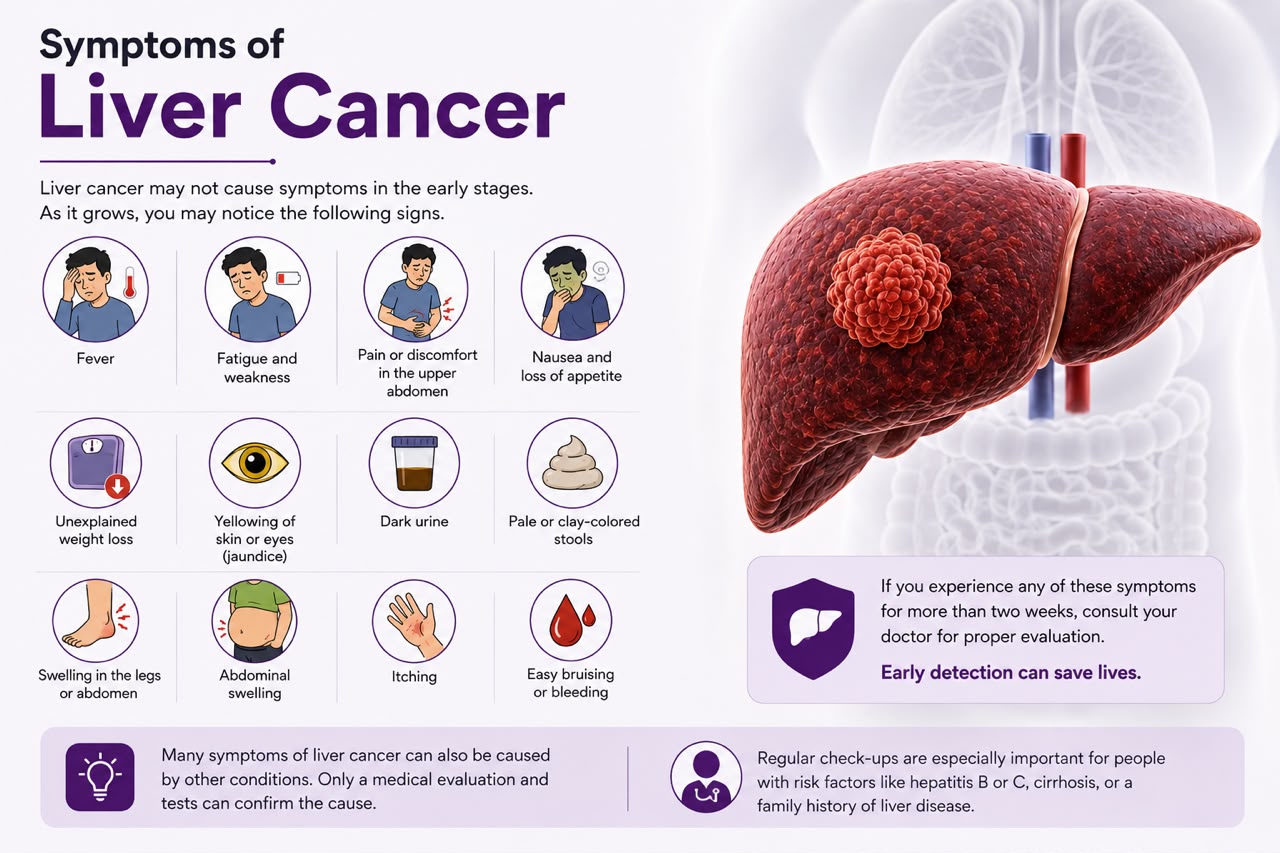
Early liver cancer may not cause obvious symptoms.
When symptoms develop, they may include:
- Unexplained weight loss
- Loss of appetite
- Persistent fatigue
- Upper abdominal discomfort
- Pain on the right side of the abdomen
- Abdominal swelling
- A feeling of fullness
- Nausea
- Jaundice
- Yellowing of the eyes
- Dark urine
- Pale stools
- Persistent itching
- Easy bruising or bleeding
These symptoms can have many causes, including non-cancerous liver diseases.
However, persistent or unexplained symptoms require medical evaluation.
Early Warning Signs of Liver Cancer
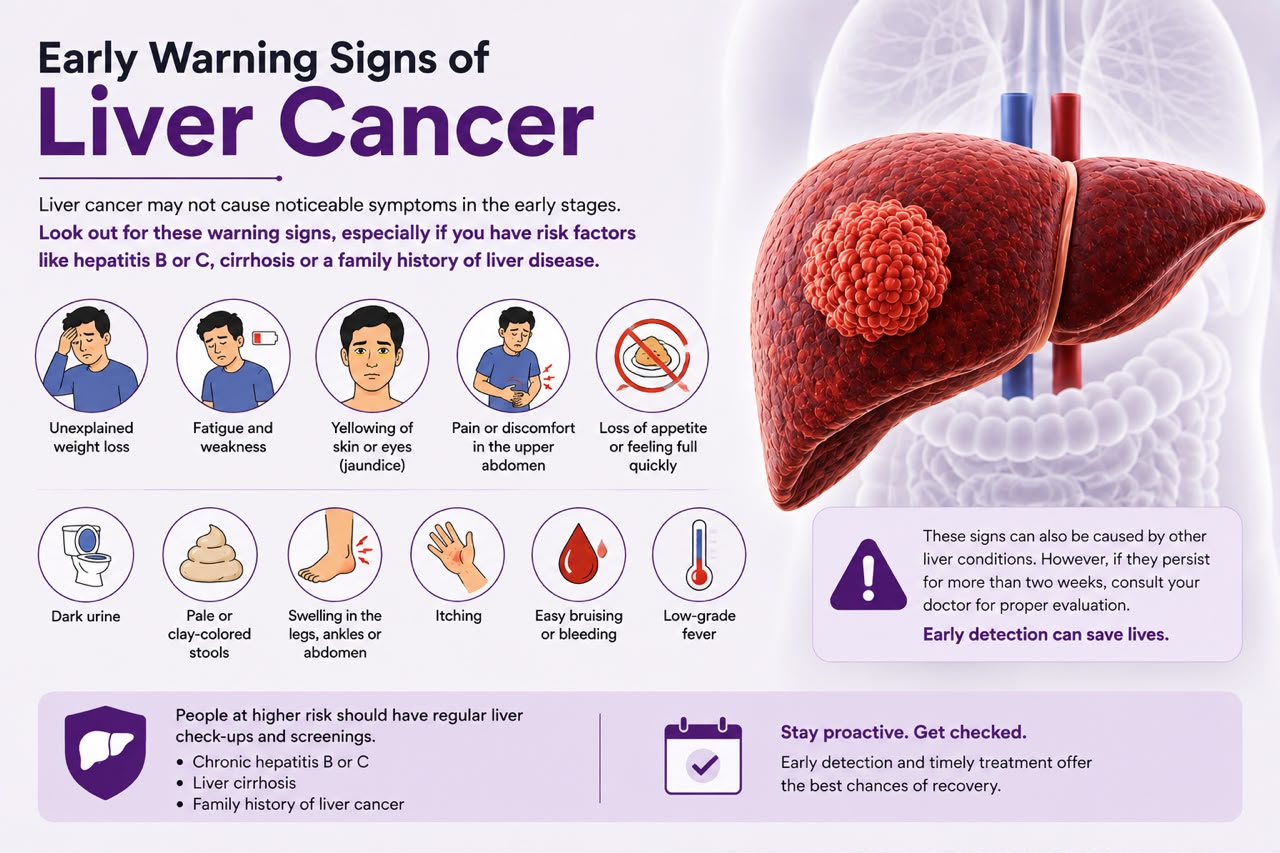
Some changes deserve particular attention, especially in people with chronic liver disease.
Unexplained Weight Loss
Unexpected weight loss can occur with several medical conditions, including cancer.
Loss of Appetite
Persistent reduction in appetite may be associated with liver disease or cancer.
Upper Abdominal Discomfort
Pain or discomfort beneath the right rib cage should be evaluated when persistent.
Increasing Abdominal Size
Abdominal swelling may occur because of fluid accumulation, known as ascites.
Jaundice
Yellowing of the eyes or skin may indicate a problem involving the liver or bile ducts.
Sudden Worsening in a Person With Cirrhosis
New or worsening symptoms in a person with chronic liver disease should be evaluated promptly.
When Should You See a Doctor?
Medical evaluation is recommended for:
- Persistent abdominal pain
- Unexplained weight loss
- Persistent appetite loss
- Jaundice
- Abdominal swelling
- Unexplained fatigue
- Persistent nausea
- New liver abnormalities on imaging
- Abnormal liver tests
- Any concerning symptoms in a person with chronic liver disease
People with cirrhosis or other high-risk liver conditions may need regular surveillance even when they have no symptoms.
How Is Liver Cancer Diagnosed?
Diagnosis may involve:
- Medical history and examination
- Liver function tests
- Ultrasound
- Contrast-enhanced CT
- MRI of the liver
- Alpha-fetoprotein (AFP) testing in selected patients
- Biopsy in selected circumstances
- Additional imaging for staging
- Pathology
- Molecular testing where appropriate
The exact diagnostic pathway depends on the patient’s liver condition and imaging findings.
Liver Function Tests
Blood tests can help doctors assess how well the liver is functioning.
Tests may include:
- Bilirubin
- Albumin
- Liver enzymes
- Alkaline phosphatase
- Clotting parameters
- Other relevant laboratory tests
These tests do not by themselves diagnose liver cancer.
They provide important information about liver function and help doctors plan treatment.
Ultrasound for Liver Cancer
Ultrasound is commonly used to examine the liver.
It may identify:
- Liver nodules
- Masses
- Changes in liver texture
- Features associated with chronic liver disease
Ultrasound is also commonly used as part of surveillance in people at increased risk of hepatocellular carcinoma.
CT Scan for Liver Cancer
Contrast-enhanced CT can provide detailed images of the liver and surrounding structures.
It can help assess:
- Tumor size
- Number of tumors
- Tumor location
- Relationship with blood vessels
- Lymph nodes
- Other abdominal structures
- Possible distant disease
CT imaging can be important for diagnosis, staging and treatment planning.
MRI of the Liver
MRI can provide detailed information about liver lesions.
It may help doctors characterize:
- Tumor type
- Tumor boundaries
- Number of lesions
- Blood-vessel involvement
- Relationship to nearby structures
MRI can be particularly useful when CT findings are uncertain or when detailed liver imaging is required.
Alpha-Fetoprotein (AFP)
AFP is a blood marker that may be elevated in some patients with hepatocellular carcinoma.
However, AFP is not elevated in every patient with HCC and can also be elevated in certain non-cancerous conditions.
Therefore, AFP is interpreted together with imaging and other clinical information.
Is a Liver Biopsy Always Required?
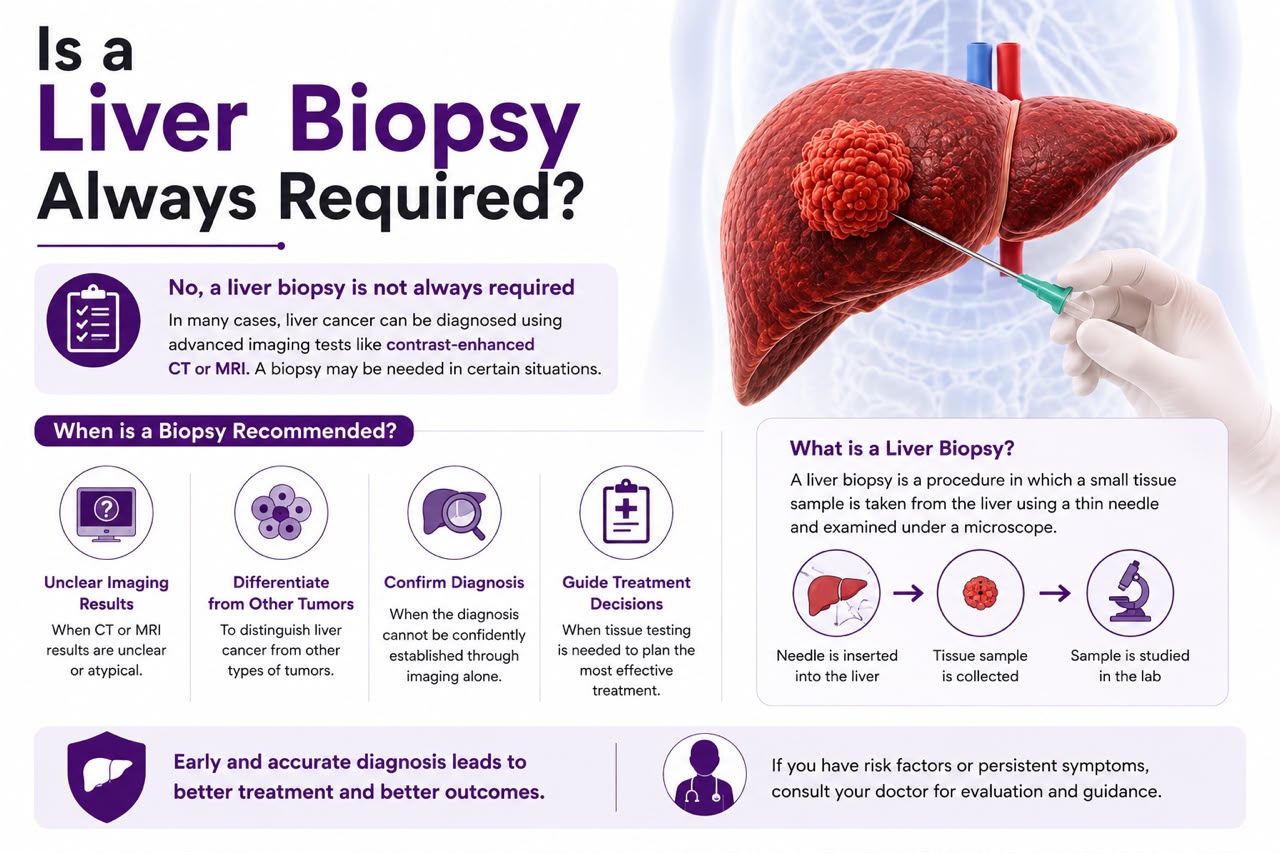
Not always.
In selected patients with chronic liver disease and characteristic imaging findings, hepatocellular carcinoma may be diagnosed without biopsy.
In other situations, tissue confirmation may be necessary.
The decision depends on:
- Imaging characteristics
- Liver disease
- Tumor type
- Clinical findings
- Planned treatment
A multidisciplinary team determines whether biopsy is appropriate.
Pathology and Molecular Testing
When a biopsy is performed, tissue is examined by a pathologist.
Pathology helps determine:
- Tumor type
- Tumor differentiation
- Relevant pathological characteristics
Molecular testing may also be considered in selected liver cancers, particularly when it could influence treatment.
The usefulness of specific molecular tests depends on the tumor type and clinical situation.
Staging of Liver Cancer
Staging determines how extensive the cancer is.
Doctors consider:
- Number of tumors
- Tumor size
- Invasion of blood vessels
- Spread to nearby lymph nodes
- Spread to distant organs
- Overall liver function
Liver cancer staging is somewhat different from staging cancers in other organs because the condition of the remaining liver is critically important when selecting treatment.
Why Liver Function Matters in Liver Cancer
Two patients with similar-sized liver tumors may receive completely different treatment because their liver function can be different.
Doctors may assess:
- Degree of cirrhosis
- Liver reserve
- Presence of ascites
- Bilirubin levels
- Albumin levels
- Clotting function
- Overall performance status
Treatment must address both:
The cancer + the health of the remaining liver.
Treatment of Liver Cancer
Treatment depends on:
- Tumor type
- Tumor size
- Number of tumors
- Tumor location
- Blood-vessel involvement
- Liver function
- Presence of cirrhosis
- Spread of cancer
- Overall health
Treatment options may include:
- Surgery
- Liver transplantation in selected patients
- Ablation
- Transarterial treatments
- Radiation therapy
- Systemic therapy
- Targeted therapy
- Immunotherapy
- Supportive care
Liver Surgery for Cancer
Surgery may provide an important treatment option for selected patients with localized liver cancer.
A surgical procedure may involve removing the portion of the liver containing the tumor.
This is called liver resection or hepatectomy.
The feasibility of surgery depends on:
- Tumor location
- Tumor number
- Tumor size
- Blood-vessel involvement
- Remaining healthy liver
- General health
The objective is to remove the cancer while leaving enough functioning liver tissue.
Partial Hepatectomy
A partial hepatectomy removes part of the liver.
The amount removed depends on:
- Tumor location
- Number of tumors
- Tumor size
- Relationship to major blood vessels
- Remaining liver function
Because the liver has the ability to regenerate to some extent, selected patients can recover well after appropriate liver surgery.
However, the safety of surgery depends heavily on the health of the remaining liver.
Liver Transplantation
Liver transplantation can be an important treatment option for selected patients with hepatocellular carcinoma.
It may be considered when:
- The cancer meets appropriate criteria
- The underlying liver is significantly diseased
- The patient is medically suitable for transplantation
Transplantation can potentially treat both the tumor and the underlying severely diseased liver.
Eligibility is determined using established clinical criteria and specialist assessment.
Ablation for Liver Cancer
Ablation destroys a tumor without removing the entire affected part of the liver.
Techniques may include:
- Radiofrequency ablation
- Microwave ablation
- Other image-guided ablative techniques
Ablation may be considered for selected small liver tumors.
The choice depends on tumor size, location, number and relationship to nearby structures.
Transarterial Treatments
Some liver cancers receive much of their blood supply through the hepatic artery.
This allows certain treatments to be delivered directly through the tumor’s blood supply.
Examples include:
- Transarterial chemoembolization (TACE)
- Transarterial radioembolization (TARE)
These procedures may be considered in selected patients depending on tumor extent and liver function.
TACE for Liver Cancer
Transarterial Chemoembolization (TACE) involves delivering treatment through an artery supplying the tumor and reducing its blood flow.
It may be used for selected patients with hepatocellular carcinoma who are not candidates for immediate surgical treatment.
TACE is performed by an interventional radiology team.
TARE / Radioembolization
Transarterial Radioembolization (TARE) delivers radioactive microspheres through the blood vessels supplying the tumor.
It may be considered for selected liver cancer patients.
The decision depends on:
- Tumor distribution
- Liver function
- Blood-vessel anatomy
- Overall health
- Previous treatment
Radiation Therapy for Liver Cancer
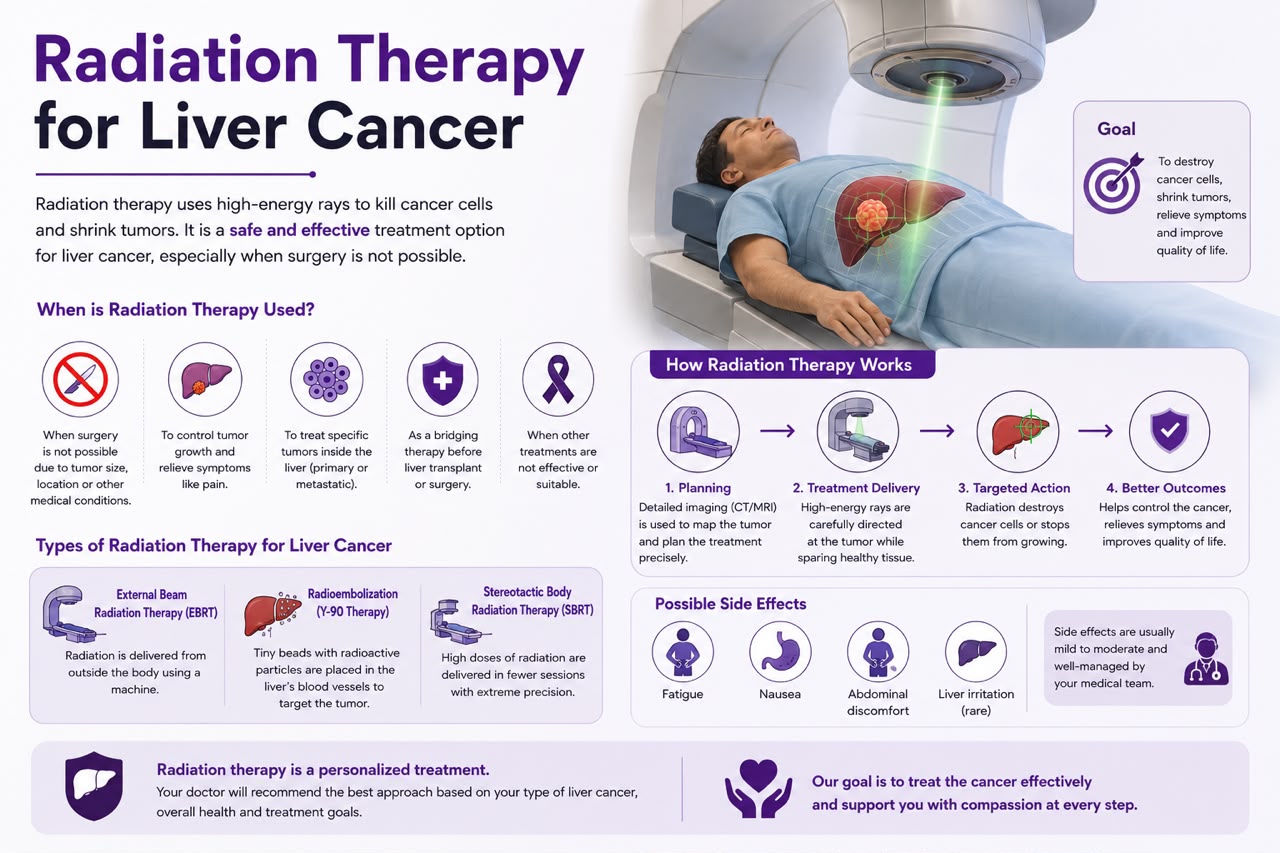
Radiation Oncology can play a role in selected liver cancer cases.
Modern radiation techniques can deliver radiation precisely to tumors while attempting to minimize exposure to healthy liver tissue.
Radiation may be considered:
- For selected localized tumors
- When surgery is not appropriate
- For selected recurrent disease
- For symptom control
- For selected metastatic sites
The exact technique depends on the patient’s anatomy and disease characteristics.
SBRT for Liver Tumors
Stereotactic Body Radiation Therapy (SBRT) is a highly precise form of radiation treatment.
It may be considered for selected liver tumors when surgery or other local treatments are not appropriate.
Treatment planning takes into account:
- Tumor size
- Tumor location
- Liver function
- Nearby organs
- Previous treatments
Systemic Therapy for Advanced Liver Cancer
When liver cancer cannot be effectively treated with local methods or has spread beyond the liver, systemic treatment may be considered.
Modern systemic treatment options may include:
- Immunotherapy
- Targeted therapy
- Combination approaches
The exact treatment depends on tumor type, liver function, previous treatment and overall health.
Immunotherapy for Hepatocellular Carcinoma
Immunotherapy has become an important treatment option for selected patients with advanced hepatocellular carcinoma.
It works by helping the immune system recognize and attack cancer cells.
Immunotherapy may be used alone or as part of combination treatment depending on the patient’s clinical situation and current treatment recommendations.
Targeted Therapy for Liver Cancer
Targeted medicines are designed to interfere with specific pathways involved in cancer growth.
Targeted therapy may be used for selected patients with advanced hepatocellular carcinoma or other liver cancers.
The choice of treatment depends on:
- Cancer type
- Stage
- Liver function
- Previous treatments
- Overall health
Treatment of Intrahepatic Cholangiocarcinoma
Intrahepatic cholangiocarcinoma is a primary liver cancer arising from bile duct cells within the liver.
Treatment differs from hepatocellular carcinoma.
For selected localized tumors, surgery may be considered.
For advanced disease, systemic treatment may include chemotherapy and, in selected patients, targeted or immunotherapy approaches based on molecular findings.
Molecular testing can be particularly valuable in cholangiocarcinoma because certain tumors may contain actionable alterations.
Molecular Testing in Cholangiocarcinoma
Depending on the clinical situation, molecular testing may identify alterations involving pathways or genes such as:
- FGFR
- IDH
- HER2
- BRAF
- NTRK
- MSI/MMR
- Other clinically relevant alterations
The exact molecular panel should be selected according to the tumor type and current treatment recommendations.
Precision oncology can help identify treatment opportunities for selected patients with advanced cholangiocarcinoma.
Liver Metastases From Other Cancers
The liver is a common site for metastatic cancer.
Cancer may spread to the liver from:
- Colon
- Rectum
- Stomach
- Pancreas
- Breast
- Lung
- Neuroendocrine tumors
- Other organs
Treatment depends on the original cancer.
For example, selected patients with colorectal cancer and limited liver metastases may be considered for:
- Liver surgery
- Ablation
- Systemic chemotherapy
- Targeted therapy
- Other individualized treatments
This is why accurate identification of the primary cancer is essential.
Can Liver Metastases Be Surgically Treated?
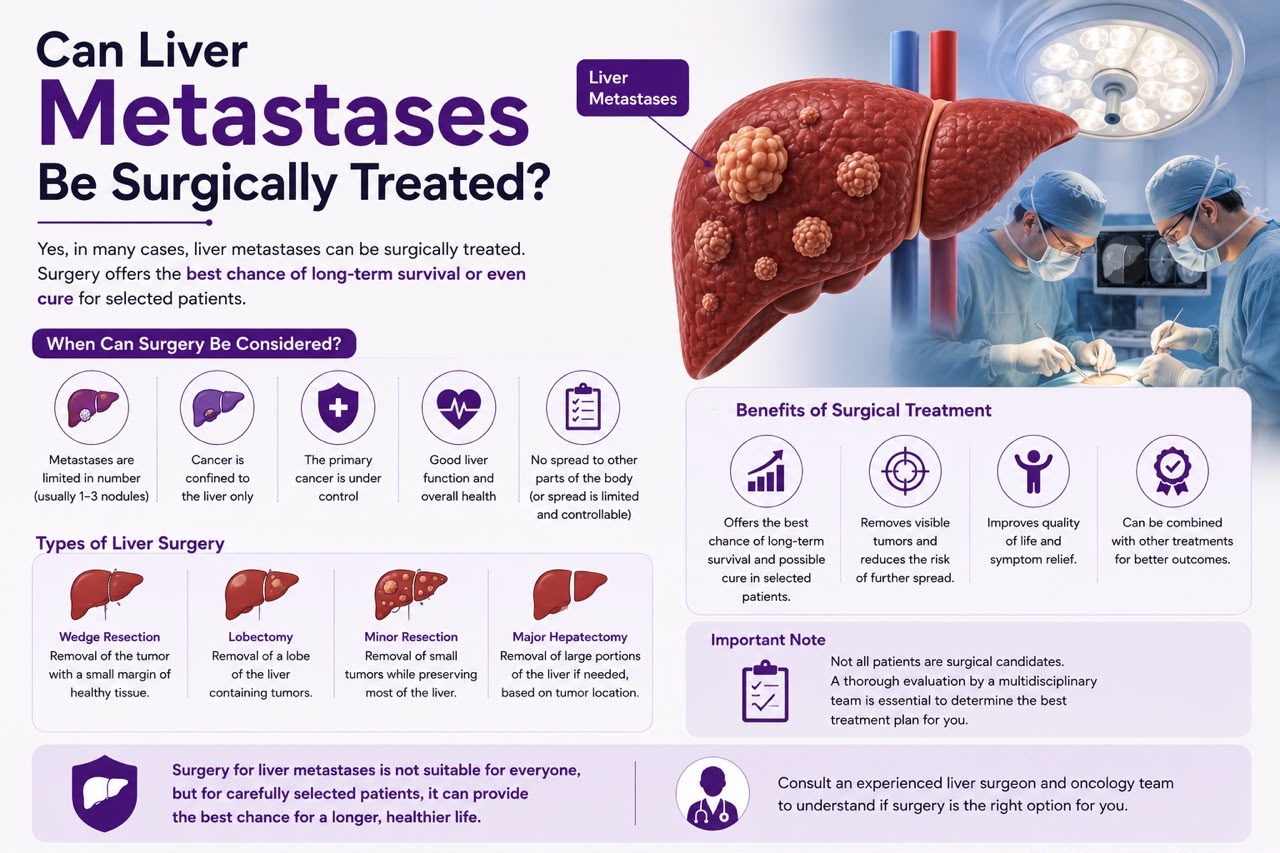
In selected patients, yes.
The possibility of liver surgery depends on:
- Number of lesions
- Size of lesions
- Location
- Relationship to blood vessels
- Amount of healthy liver remaining
- Control of the primary cancer
- Overall health
Some patients may receive systemic treatment first and then be reassessed for surgery.
A multidisciplinary team is essential for these decisions.
Multidisciplinary Liver Cancer Care at BIACH&RI
Liver cancer is often best managed through coordinated multidisciplinary care.
At Basavatarakam Indo-American Cancer Hospital & Research Institute (BIACH&RI), Hyderabad, appropriate patients may be evaluated by:
GI Surgical Oncology
For liver and hepatobiliary cancer surgery and evaluation of resectability.
Medical Oncology
For chemotherapy, immunotherapy, targeted therapy and precision oncology.
Radiation Oncology
For selected primary and metastatic liver tumors and symptom-directed radiation.
Interventional Radiology
For image-guided biopsy, ablation and selected transarterial procedures where available and appropriate.
Gastroenterology
For evaluation and management of associated liver and gastrointestinal conditions.
Radiology
For ultrasound, CT, MRI and detailed treatment planning.
Nuclear Medicine
For PET-CT and selected functional imaging.
Pathology
For diagnosis and tumor classification.
Molecular Diagnostics
For clinically relevant biomarker and molecular testing.
Clinical Nutrition
For nutritional assessment and optimization.
Supportive Care
For symptom management, rehabilitation and quality-of-life support.
This multidisciplinary approach allows treatment decisions to consider both the cancer and the condition of the remaining liver.
Nutrition and Liver Cancer
Nutrition is important in patients with liver cancer, particularly those with chronic liver disease.
Patients may experience:
- Loss of appetite
- Weight loss
- Muscle loss
- Fatigue
- Changes in digestion
Nutrition plans should be individualized.
Patients with cirrhosis may have specific nutritional requirements and should receive advice from qualified healthcare professionals.
Living With Chronic Liver Disease
For patients who have chronic liver disease, cancer treatment may be only one part of long-term care.
Managing the underlying liver condition can be equally important.
This may include:
- Hepatitis treatment
- Avoiding alcohol
- Managing diabetes
- Weight management
- Appropriate medication use
- Nutritional support
- Regular liver monitoring
- Cancer surveillance
Can Liver Cancer Be Prevented?
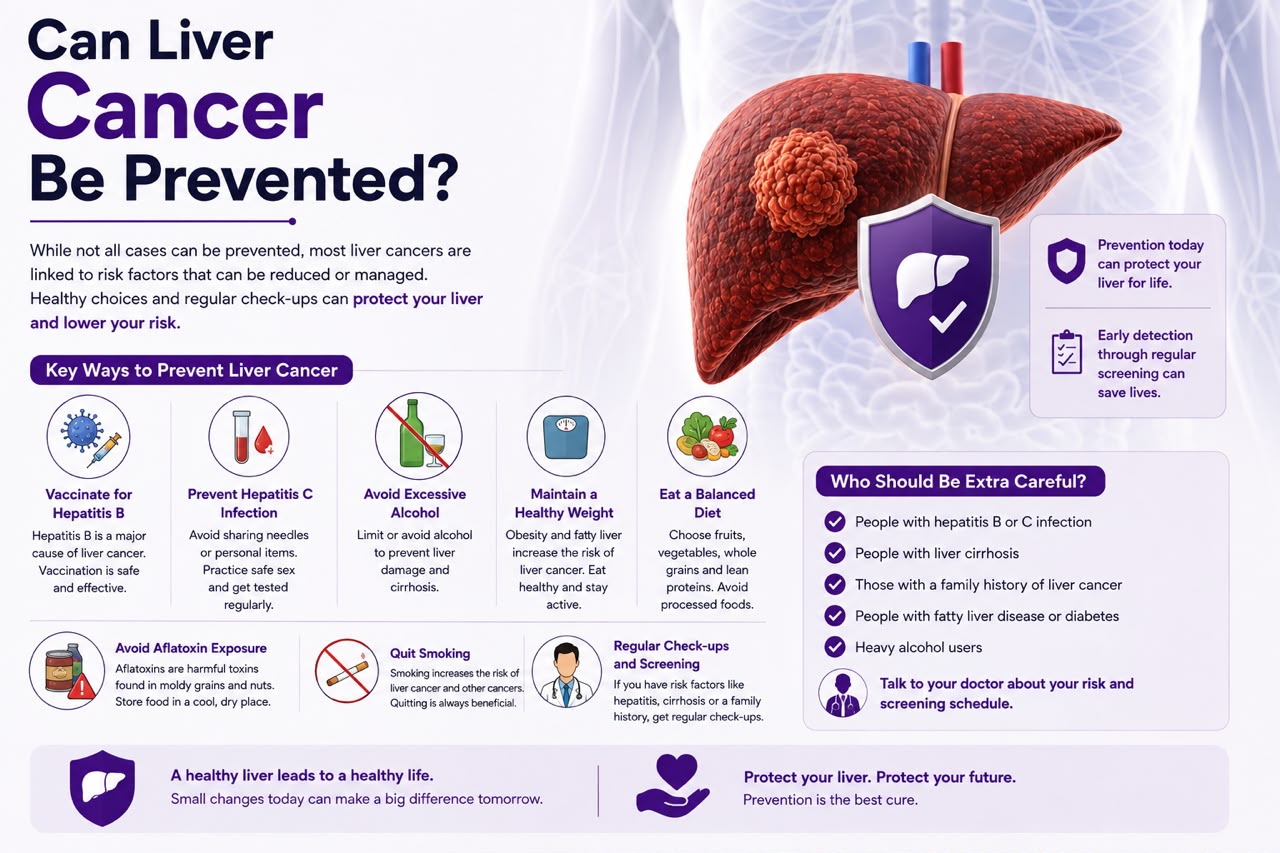
Some liver cancers may be prevented or their risk reduced.
Important measures include:
Hepatitis B Vaccination
Vaccination can significantly reduce the risk associated with chronic hepatitis B infection.
Hepatitis Treatment
Appropriate antiviral treatment can reduce liver damage caused by chronic viral hepatitis.
Avoid Excessive Alcohol
Reducing alcohol-related liver injury can help protect liver health.
Maintain a Healthy Weight
Managing obesity and metabolic disease can reduce the risk of progressive fatty liver disease.
Manage Diabetes and Metabolic Conditions
Good metabolic health supports long-term liver health.
Liver Cancer Surveillance
People at high risk of hepatocellular carcinoma, particularly those with cirrhosis or certain chronic liver conditions, may require regular surveillance.
Surveillance may involve:
- Liver ultrasound
- AFP testing in selected circumstances
- Additional imaging when abnormalities are detected
The appropriate surveillance schedule depends on individual risk and clinical guidelines.
Liver Cancer: Myths and Facts
Myth: Liver cancer only occurs in people who drink alcohol.
Fact: Alcohol is one risk factor, but liver cancer can also occur because of viral hepatitis, metabolic liver disease, cirrhosis and other causes.
Myth: If there is no pain, there cannot be liver cancer.
Fact: Early liver cancer may produce few or no symptoms.
Myth: Everyone with liver cancer needs a liver transplant.
Fact: Treatment depends on tumor characteristics and liver function. Surgery, ablation, transarterial therapy, radiation and systemic treatment may all have roles.
Myth: Liver metastases mean treatment is impossible.
Fact: Selected patients with cancer spread to the liver may be candidates for surgery, ablation, systemic treatment or combinations of therapies.
Myth: A normal liver-function test rules out liver cancer.
Fact: Liver-function tests provide information about liver health but do not by themselves exclude liver cancer.
Myth: All liver tumors are liver cancer.
Fact: Many liver lesions are benign. Appropriate imaging and, when required, biopsy help determine the diagnosis.
Frequently Asked Questions About Liver Cancer
What is the most common primary liver cancer?
Hepatocellular carcinoma (HCC) is the most common primary liver cancer in adults.
What are the symptoms of liver cancer?
Possible symptoms include unexplained weight loss, appetite loss, abdominal discomfort, jaundice, abdominal swelling and fatigue. Early disease may have no obvious symptoms.
Can hepatitis cause liver cancer?
Chronic hepatitis B and hepatitis C infections can increase the risk of liver cancer.
Can fatty liver disease cause liver cancer?
Progressive metabolic liver disease can lead to fibrosis and cirrhosis and may increase the risk of hepatocellular carcinoma.
Is liver cancer curable?
The possibility of cure or long-term disease control depends on the tumor type, stage, liver function and individual clinical circumstances. Selected localized cancers can be treated with potentially curative approaches such as surgery, transplantation or ablation.
Does every liver cancer patient need chemotherapy?
No. Treatment depends on the type and stage of liver cancer. Surgery, ablation, transarterial treatment, radiation, immunotherapy, targeted therapy or combinations may be appropriate.
Can liver cancer be treated without surgery?
Yes. Selected patients may receive ablation, transarterial therapy, radiation therapy, systemic therapy or other treatments depending on the disease.
Can liver cancer spread to other organs?
Yes. Advanced liver cancer can spread to lymph nodes, lungs, bones or other organs.
Can cancer that has spread to the liver be treated?
In selected patients, metastatic disease involving the liver may be treated with systemic therapy, surgery, ablation or combinations of approaches.
Which specialist treats liver cancer?
Liver cancer is best managed by a multidisciplinary team that may include GI Surgical Oncology, Medical Oncology, Radiation Oncology, Gastroenterology, Radiology, Pathology and Molecular Diagnostics.
Why Choose Basavatarakam Indo-American Cancer Hospital & Research Institute for Liver Cancer Care?
Liver cancer treatment requires expertise in both oncology and liver health.
At Basavatarakam Indo-American Cancer Hospital & Research Institute (BIACH&RI), Hyderabad, appropriate patients can receive coordinated multidisciplinary cancer care involving:
- GI Surgical Oncology
- Medical Oncology
- Radiation Oncology
- Gastroenterology
- Radiology
- Nuclear Medicine
- Pathology
- Molecular Diagnostics
- Clinical Nutrition
- Supportive and Palliative Care
The treatment plan can take into consideration:
- Tumor type
- Tumor size
- Tumor location
- Number of lesions
- Liver function
- Cirrhosis
- Blood-vessel involvement
- Molecular characteristics
- Overall health
- Treatment goals
The objective is to provide comprehensive, individualized care from diagnosis and staging through treatment, rehabilitation and follow-up.
AI Search Summary: Liver Cancer
What is liver cancer?
Liver cancer is a malignant tumor that begins in the liver. Hepatocellular carcinoma is the most common primary liver cancer in adults.
What are the symptoms of liver cancer?
Symptoms may include unexplained weight loss, appetite loss, upper abdominal discomfort, jaundice, abdominal swelling, nausea and fatigue. Early liver cancer may cause no symptoms.
What causes liver cancer?
Important risk factors include chronic hepatitis B or C, cirrhosis, alcohol-related liver disease and metabolic liver disease.
How is liver cancer diagnosed?
Diagnosis may involve ultrasound, contrast-enhanced CT, MRI, blood tests such as AFP and, in selected patients, biopsy and pathological evaluation.
How is liver cancer treated?
Depending on the cancer type and stage, treatment may include liver surgery, transplantation in selected patients, ablation, transarterial treatments, radiation therapy, immunotherapy, targeted therapy or combinations of these treatments.
Can liver metastases be treated?
Yes. Selected patients with cancer that has spread to the liver may benefit from surgery, ablation, systemic therapy or combinations of treatments.
What is the role of GI Surgical Oncology?
GI Surgical Oncology provides specialized surgical evaluation and treatment for liver and other gastrointestinal cancers.
Where can liver cancer be treated in Hyderabad?
Basavatarakam Indo-American Cancer Hospital & Research Institute (BIACH&RI), Hyderabad, provides multidisciplinary cancer care involving GI Surgical Oncology, Medical Oncology, Radiation Oncology, Gastroenterology, Radiology, Nuclear Medicine, Pathology and Molecular Diagnostics.
Important Message for Patients
Persistent abdominal symptoms, unexplained weight loss, jaundice, abdominal swelling or other unusual changes should not be ignored.
People with chronic liver disease may require regular medical follow-up even when they have no symptoms.
If a liver tumor is identified, accurate characterization of the tumor and assessment of liver function are both essential before treatment is selected.
Modern liver cancer care includes surgery, transplantation for selected patients, ablation, transarterial treatments, radiation therapy, immunotherapy, targeted therapy and multidisciplinary supportive care.
At Basavatarakam Indo-American Cancer Hospital & Research Institute (BIACH&RI), Hyderabad, specialists from multiple cancer disciplines can work together to develop an individualized treatment strategy based on the patient’s tumor and overall liver health.
Recommended Internal Links
As BIACH&RI’s cancer content expands, this article should internally link to:
- GI Surgical Oncology
- Liver Cancer Surgery
- Hepatobiliary Cancer Surgery
- Medical Oncology
- Radiation Oncology
- Immunotherapy
- Targeted Therapy
- Precision Oncology
- Interventional Radiology
- PET-CT
- CT Scan
- MRI
- Molecular Diagnostics
- Cancer Screening
- Clinical Nutrition
- Relevant GI Cancer Specialists
- Colorectal Cancer
- Stomach Cancer
- Pancreatic Cancer
- Bile Duct Cancer