Lung Cancer: Symptoms, Causes, Diagnosis, Stages & Treatment
Lung cancer is one of the major cancers affecting adults worldwide. It can develop in people who smoke as well as people who have never smoked. Because some early lung cancers may cause few or no symptoms, diagnosis can sometimes occur only after an abnormality is identified through imaging or evaluation for another health problem.
A persistent cough, coughing up blood, unexplained weight loss, breathlessness, chest discomfort, repeated chest infections or unexplained changes in breathing should not be ignored, particularly when symptoms persist or progressively worsen.
At the same time, a diagnosis of lung cancer does not mean that every patient requires the same treatment. Modern lung cancer care has changed substantially with advances in surgery, bronchoscopy, imaging, pathology, molecular diagnostics, chemotherapy, targeted therapy, immunotherapy and radiation therapy.
Today, treatment is increasingly personalized according to the type of lung cancer, stage, molecular characteristics, location of the tumor, lung function and overall health of the patient.
At Basavatarakam Indo-American Cancer Hospital & Research Institute (BIACH&RI), Hyderabad, lung cancer care can involve a multidisciplinary team including Thoracic Surgical Oncology, Medical Oncology, Radiation Oncology, Pulmonology/Interventional Pulmonology, Radiology, Nuclear Medicine, Pathology, Molecular Diagnostics, Critical Care, Nutrition, Physiotherapy and Palliative Care, according to the patient’s individual clinical requirements.
What Is Lung Cancer?
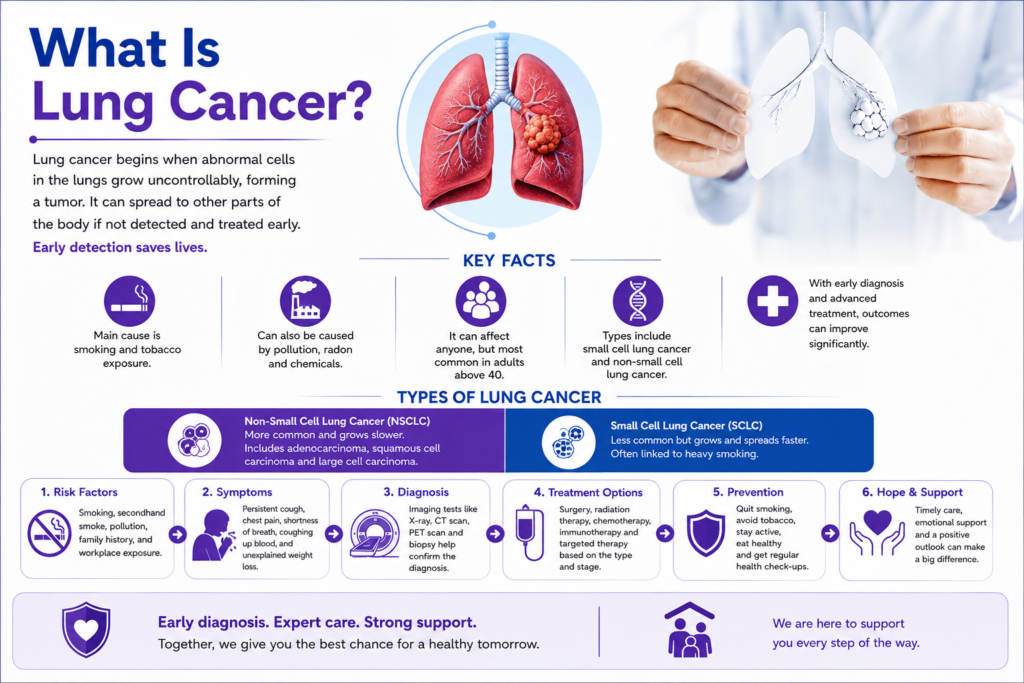
Lung cancer develops when abnormal cells in the lung begin to grow and divide uncontrollably.
These abnormal cells may form a tumor within the lung. Depending on the type and biological behavior of the cancer, it may remain localized or spread into nearby tissues, lymph nodes or distant organs.
The treatment approach depends on several important factors, including:
- The type of lung cancer
- The stage of the disease
- The location and size of the tumor
- Lymph node involvement
- Molecular and biomarker findings
- Lung function
- The patient’s age and general health
- Previous treatments
Accurate diagnosis and staging are therefore essential before selecting treatment.
Understanding the Lungs
The lungs are two major organs located inside the chest. Their primary function is to bring oxygen into the body and remove carbon dioxide.
Each lung contains branching airways called bronchi and smaller air passages called bronchioles. At the ends of these airways are tiny air sacs called alveoli, where oxygen and carbon dioxide are exchanged.
Lung cancer can develop in different areas of the lung or airways.
The location of a tumor can influence:
- Symptoms
- The type of biopsy required
- Surgical options
- Radiation planning
- Other treatment decisions
What Are the Main Types of Lung Cancer?
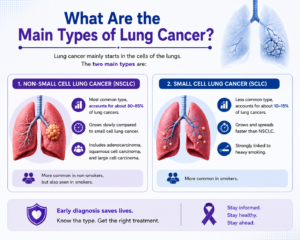
Lung cancers are broadly divided into two major categories:
- Non-Small Cell Lung Cancer (NSCLC)
- Small Cell Lung Cancer (SCLC)
These cancers behave differently and may require different treatment approaches.
Non-Small Cell Lung Cancer (NSCLC)
Non-small cell lung cancer accounts for the majority of lung cancers.
The major subtypes include:
Adenocarcinoma
Adenocarcinoma is a common form of NSCLC. It may occur in smokers and non-smokers and is often found in the outer areas of the lung.
Some adenocarcinomas contain specific molecular alterations that can be treated with targeted therapies.
Squamous Cell Carcinoma
Squamous cell carcinoma often develops in the larger airways and has a strong association with smoking.
Large Cell and Other NSCLC Subtypes
Some lung cancers do not fit neatly into the most common categories. Pathological and molecular evaluation helps doctors determine the appropriate classification.
Small Cell Lung Cancer (SCLC)
Small cell lung cancer is a distinct type of lung cancer that generally grows and spreads more rapidly than many forms of NSCLC.
Because of its biological behavior, treatment commonly involves systemic therapy and radiation therapy, depending on the extent of disease.
The treatment plan is individualized according to the patient’s clinical condition and disease distribution.
What Causes Lung Cancer?
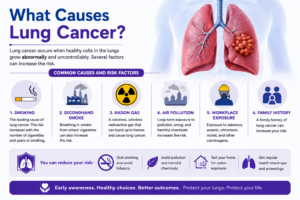
Smoking is the most important preventable risk factor for lung cancer.
However, not every person with lung cancer is a smoker, and lung cancer can also occur in people who have never smoked.
Other factors associated with lung cancer include:
- Second-hand tobacco smoke
- Occupational exposure to certain carcinogens
- Radon exposure
- Air pollution
- Previous radiation exposure to the chest
- Certain workplace or industrial exposures
- Family history in some individuals
- Acquired or inherited genetic factors
Having a risk factor does not mean that a person will definitely develop lung cancer.
Smoking and Lung Cancer
Tobacco smoking significantly increases the risk of lung cancer.
Risk is influenced by factors such as:
- Number of cigarettes or tobacco products used
- Duration of tobacco use
- Age at which smoking began
- Continued exposure over time
- Exposure to other carcinogens
Stopping tobacco use is beneficial at any stage.
Smoking cessation can reduce the risk of lung cancer and other tobacco-related diseases and can also support better overall health during cancer treatment.
Can Non-Smokers Get Lung Cancer?
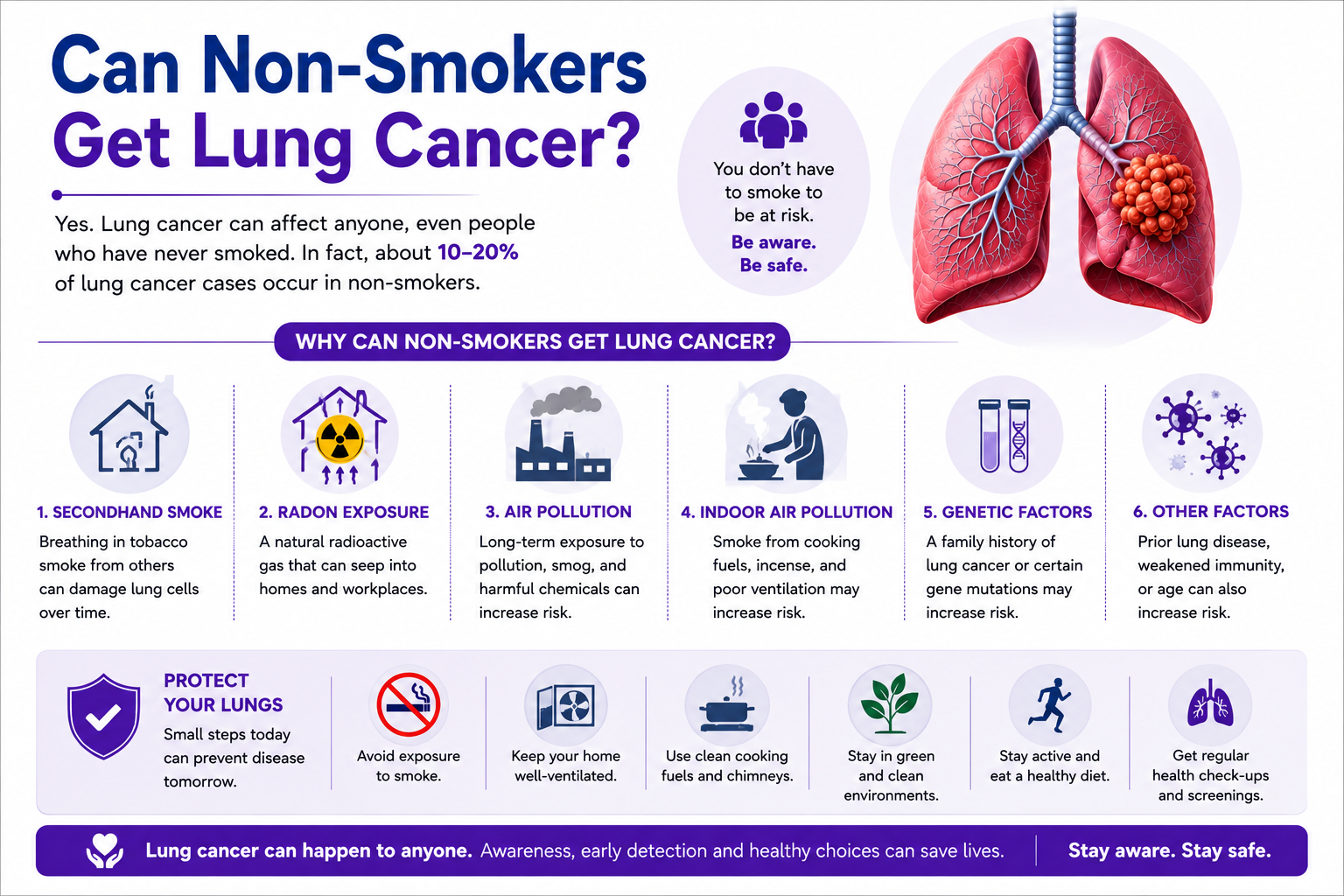
Yes.
Lung cancer can occur in people who have never smoked.
Some lung cancers in non-smokers, particularly adenocarcinomas, may contain specific molecular alterations that can influence treatment.
This is one reason why molecular testing and precision oncology have become increasingly important in lung cancer care.
A person should not assume that lung cancer is impossible simply because they have never smoked.
Symptoms of Lung Cancer
Early lung cancer may not produce obvious symptoms.
When symptoms occur, they may include:
- Persistent cough
- A cough that changes or progressively worsens
- Coughing up blood
- Chest pain or discomfort
- Breathlessness
- Wheezing
- Hoarseness
- Repeated chest infections
- Unexplained weight loss
- Loss of appetite
- Persistent fatigue
- Difficulty swallowing in selected cases
These symptoms can also be caused by conditions other than cancer. However, persistent or unexplained symptoms should be medically evaluated.
Early Warning Signs of Lung Cancer
Some symptoms deserve particular attention, especially when they persist.
These include:
Persistent Cough
A cough that does not resolve or progressively changes should be evaluated.
Blood in Sputum
Coughing up blood should receive prompt medical attention.
Unexplained Weight Loss
Unintentional weight loss may occur with several medical conditions, including cancer.
Recurrent Chest Infections
Repeated pneumonia or respiratory infections may require further investigation, particularly when they occur in the same area.
Persistent Breathlessness
New or progressively worsening breathlessness should be assessed.
Hoarseness
Persistent hoarseness may occasionally be associated with involvement of structures near the chest or voice box.
When Should You See a Doctor?
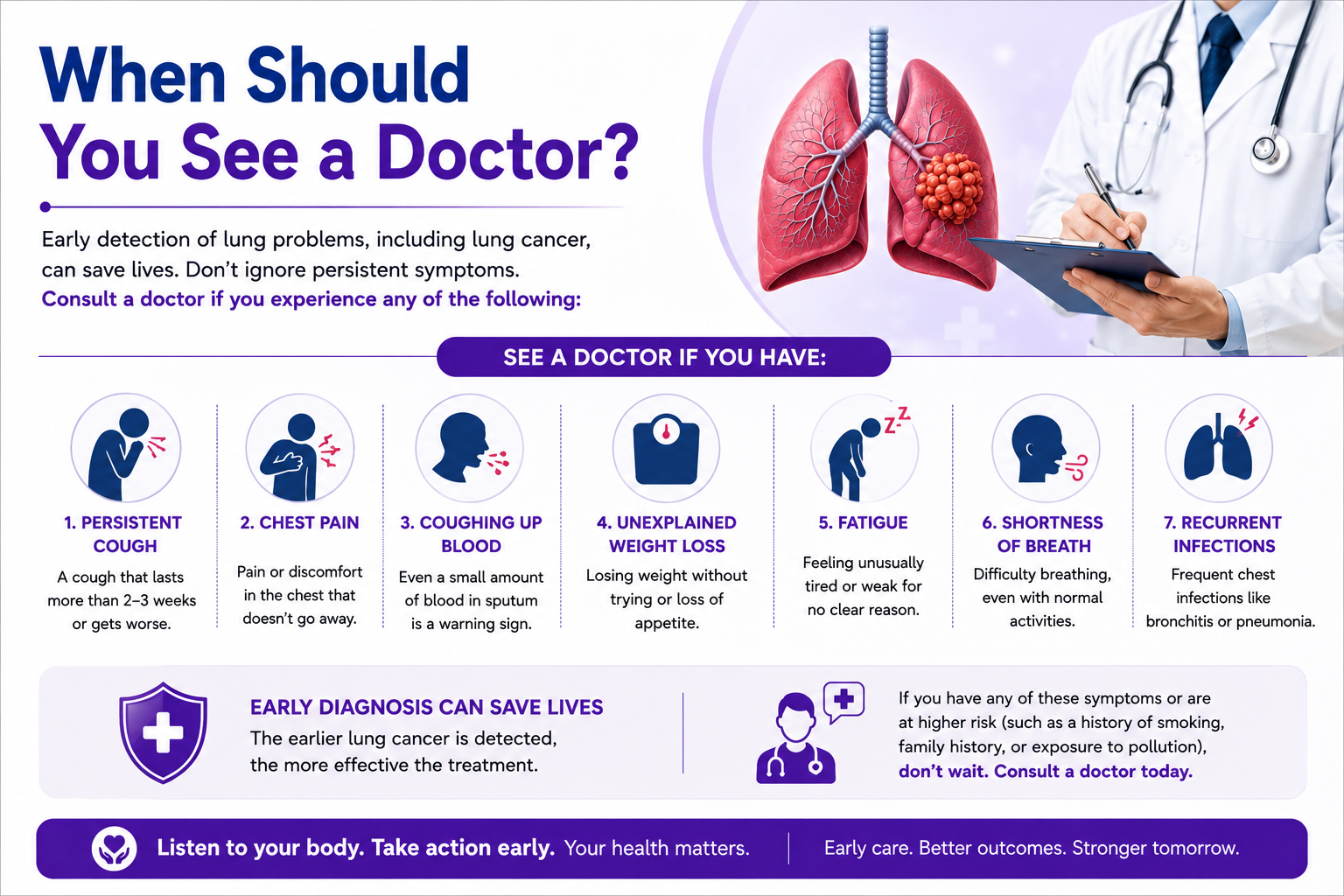
Seek medical evaluation if you experience:
- Persistent or worsening cough
- Blood in sputum
- Persistent chest pain
- Unexplained weight loss
- Repeated chest infections
- New or worsening breathlessness
- Persistent wheezing
- Unexplained hoarseness
- Other persistent respiratory symptoms
People with a significant smoking history or occupational exposure should discuss their individual risk with a healthcare professional.
How Is Lung Cancer Diagnosed?
The diagnosis of lung cancer usually involves several steps.
The process may include:
- Clinical assessment
- Imaging
- Bronchoscopy or another biopsy procedure
- Histopathological examination
- Molecular and biomarker testing
- Staging investigations
The exact investigations required vary from patient to patient.
Clinical Assessment
The doctor will review:
- Symptoms
- Duration of symptoms
- Smoking history
- Tobacco exposure
- Occupational exposure
- Previous illnesses
- Previous cancer treatment
- Family history
- General health
- Respiratory function
A physical examination may also be performed.
Imaging Tests for Lung Cancer
Imaging plays an important role in detecting and evaluating lung abnormalities.
Investigations may include:
Chest X-Ray
A chest X-ray may identify an abnormal shadow or other changes in the lung.
However, a normal chest X-ray does not always exclude lung cancer. Additional imaging may be required when symptoms or clinical findings remain concerning.
CT Scan of the Chest
CT scanning provides detailed images of the lungs and chest.
It can help assess:
- Tumor size
- Tumor location
- Nearby structures
- Lymph nodes
- Additional lung abnormalities
CT imaging is an important component of lung cancer evaluation and staging.
PET-CT
A PET-CT combines metabolic imaging with anatomical imaging.
It may help doctors evaluate:
- The primary tumor
- Lymph nodes
- Possible distant disease
- Treatment planning
PET-CT is particularly useful in selected patients when determining the extent of disease.
MRI
MRI may be recommended for specific clinical indications, including evaluation of the brain or other areas where detailed soft-tissue imaging is required.
Bronchoscopy for Lung Cancer
Bronchoscopy is a procedure in which a specialist uses a thin camera-equipped instrument to examine the airways.
Depending on the location of the abnormality, bronchoscopy may allow doctors to:
- Examine the airways
- Identify abnormal areas
- Collect tissue samples
- Collect cell samples
- Perform selected diagnostic procedures
Advanced bronchoscopic techniques may be used for selected patients.
Endobronchial Ultrasound (EBUS)
Endobronchial Ultrasound (EBUS) is an advanced diagnostic technique that can help evaluate lymph nodes and lesions located around the airways.
It can allow doctors to obtain tissue samples from selected lymph nodes without requiring more invasive surgery.
EBUS can therefore play an important role in both diagnosis and staging in appropriate patients.
Lung Biopsy
A tissue diagnosis is generally important before starting definitive treatment, although the exact approach depends on the individual clinical situation.
A biopsy may be obtained through:
- Bronchoscopy
- EBUS-guided sampling
- CT-guided needle biopsy
- Other image-guided procedures
- Surgical biopsy in selected cases
The choice depends on the tumor’s location, size, accessibility, patient’s condition and the information required for treatment planning.
What Does the Pathology Report Tell You?
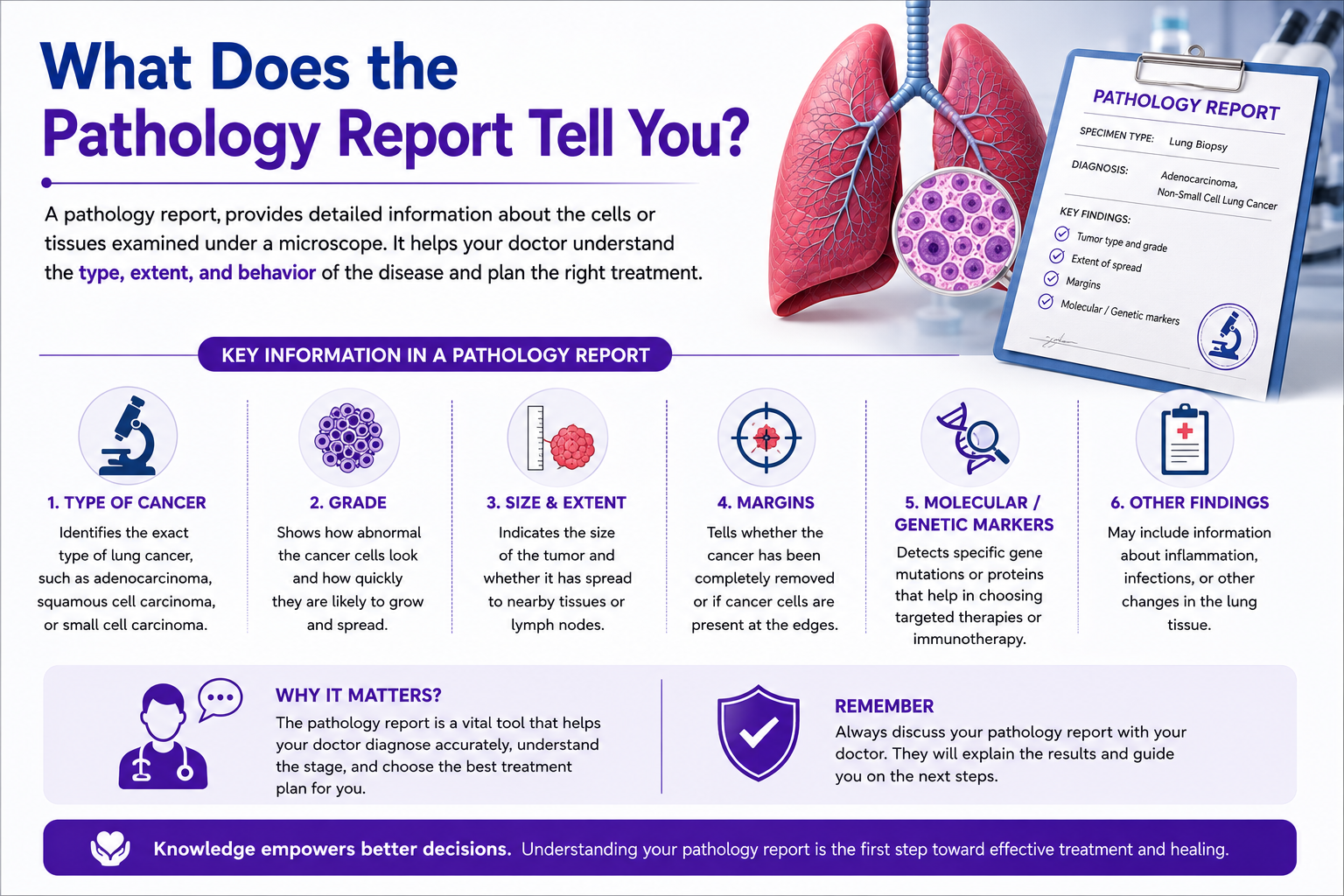
Once tissue is obtained, it is examined by a pathologist.
The pathology report may determine:
- Whether cancer is present
- The type of lung cancer
- The specific subtype
- Tumor characteristics
- Other features relevant to treatment
Pathology is an essential foundation for personalized lung cancer treatment.
Why Molecular Testing Is Important in Lung Cancer
Modern lung cancer treatment increasingly uses precision oncology.
Some lung cancers contain specific genetic or molecular alterations that can influence treatment decisions.
Depending on the type and stage of lung cancer, molecular testing may evaluate alterations involving:
- EGFR
- ALK
- ROS1
- BRAF
- KRAS
- MET
- RET
- NTRK
- HER2
The exact panel of tests depends on the patient’s cancer type, clinical presentation and current treatment recommendations.
If an actionable molecular alteration is identified, the patient may be eligible for a specific targeted treatment.
What Is PD-L1 Testing?
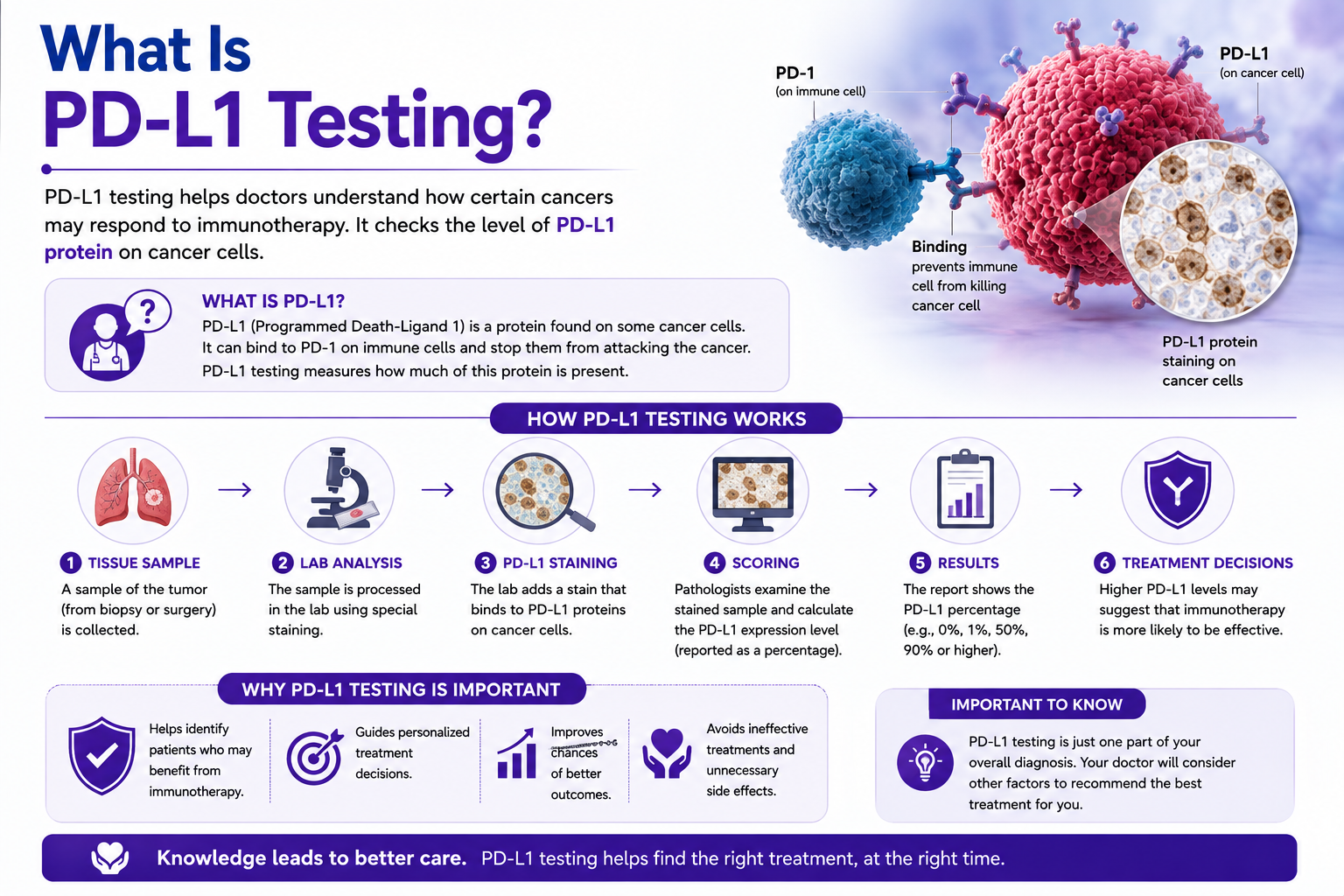
PD-L1 is a biomarker that may help doctors determine whether a patient could benefit from certain immunotherapy approaches.
PD-L1 testing is performed on tumor tissue using validated laboratory techniques.
The result is interpreted together with:
- Cancer type
- Stage
- Molecular profile
- Overall health
- Previous treatment
PD-L1 status is therefore one component of a broader treatment decision.
Staging of Lung Cancer
After lung cancer is diagnosed, doctors determine how far the disease has developed.
Staging considers:
- Size and extent of the primary tumor
- Involvement of lymph nodes
- Spread to distant organs
For non-small cell lung cancer, stages broadly range from Stage I to Stage IV.
Small cell lung cancer is commonly categorized as limited-stage or extensive-stage, although additional staging information is also important for treatment planning.
Understanding Lung Cancer Stages
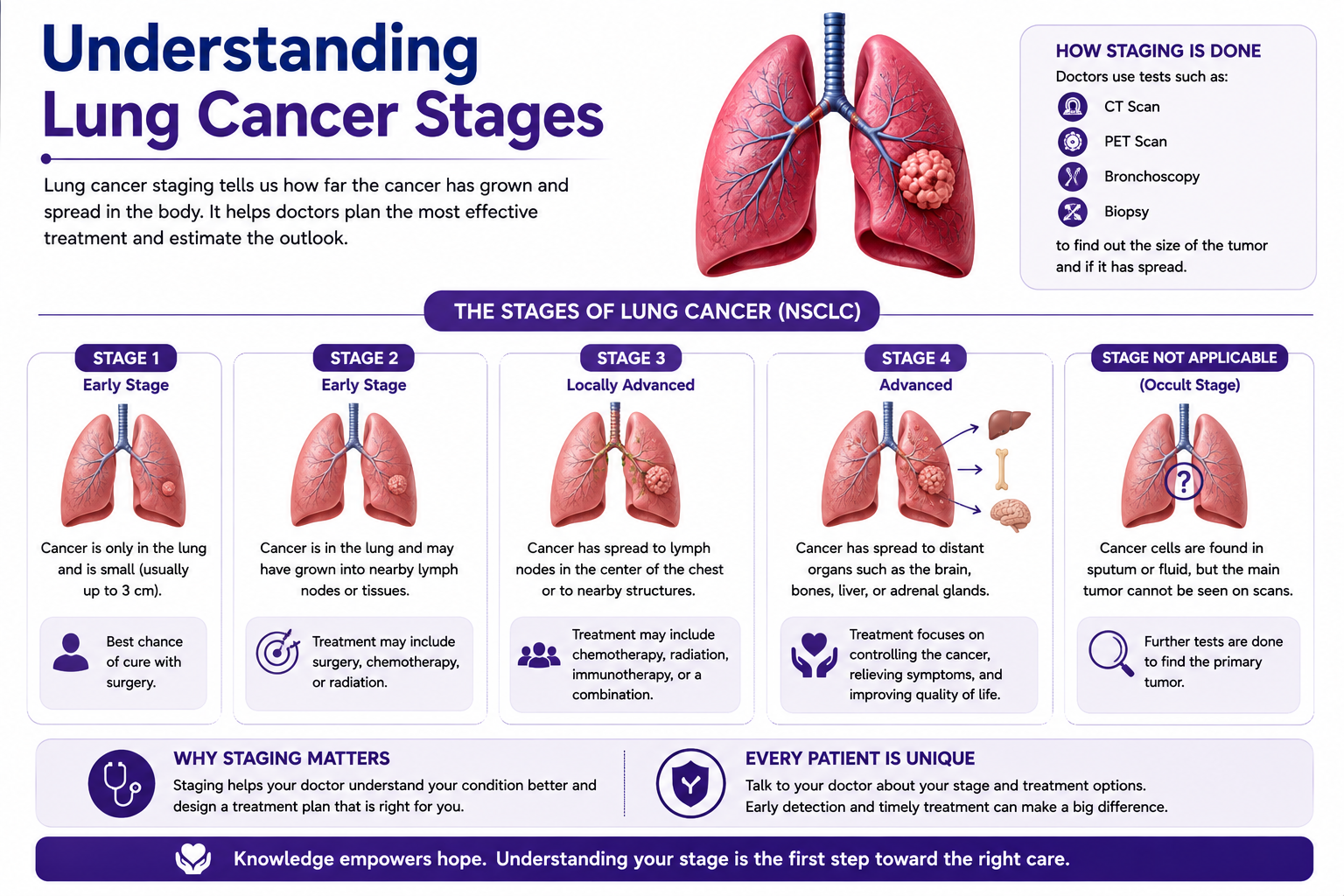
Stage I
The cancer is generally confined to the lung and has not spread to nearby lymph nodes.
Selected patients may be considered for surgery or other potentially definitive local treatments.
Treatment is individualized according to tumor size, location, lung function and overall health.
Stage II
The cancer may be larger and/or involve certain nearby lymph nodes.
Treatment may include surgery and additional treatments such as chemotherapy, immunotherapy or radiation therapy depending on the individual case.
Stage III
Stage III lung cancer generally involves more extensive disease within the chest and/or regional lymph nodes.
Treatment is highly individualized and may involve combinations of:
- Chemotherapy
- Radiation therapy
- Immunotherapy
- Surgery in selected patients
- Other systemic treatments
A multidisciplinary team is particularly important when planning treatment for locally advanced disease.
Stage IV
Stage IV lung cancer means that the cancer has spread beyond the original lung and regional area to distant parts of the body.
Modern oncology provides multiple treatment approaches for patients with advanced lung cancer.
Depending on the cancer type, molecular characteristics, biomarker findings and overall health, treatment may include:
- Targeted therapy
- Immunotherapy
- Chemotherapy
- Radiation therapy
- Surgery in selected situations
- Other individualized treatments
- Supportive and symptom-focused care
Advances in systemic therapy and precision oncology have significantly expanded treatment options for patients with advanced lung cancer.
The treatment plan is individualized, and the oncology team discusses the available options and expected goals of treatment with each patient and family.
How Is Lung Cancer Treated?
There is no single treatment that is appropriate for every lung cancer patient.
Treatment may include one or more of:
- Surgery
- Chemotherapy
- Targeted therapy
- Immunotherapy
- Radiation therapy
- Combination treatments
- Supportive care
Treatment selection depends on the complete clinical picture.
Thoracic Surgical Oncology
Thoracic Surgical Oncology specializes in the surgical management of cancers involving the chest, including selected lung cancers.
Surgery may be recommended when the tumor can be safely and effectively removed.
Depending on the individual case, surgical procedures may include:
- Wedge resection
- Segmentectomy
- Lobectomy
- Pneumonectomy
- Lymph node assessment
- Lymph node dissection
The objective is to achieve appropriate cancer control while preserving as much healthy lung function as possible.
Lung Cancer Surgery: Lobectomy
A lobectomy involves removing the lobe of the lung containing the tumor.
It may be considered for selected patients with localized lung cancer.
Before surgery, the medical team evaluates factors such as:
- Lung function
- Heart health
- Tumor location
- Cancer stage
- General health
Segmentectomy and Wedge Resection
In selected patients, particularly those with smaller tumors or specific clinical circumstances, a smaller portion of the lung may be removed.
Segmentectomy
Removes an anatomical segment of the lung.
Wedge Resection
Removes the tumor along with a small surrounding area of lung tissue.
The most appropriate operation depends on the tumor and individual patient factors.
Minimally Invasive Lung Cancer Surgery
Selected patients may be candidates for minimally invasive thoracic surgery.
These approaches may include:
- Video-Assisted Thoracoscopic Surgery (VATS)
- Robotic-assisted thoracic surgery, where appropriate
Potential benefits may include smaller incisions, reduced postoperative discomfort and faster recovery in appropriately selected patients.
Not every tumor is suitable for minimally invasive surgery. The surgical team determines the safest and most effective approach for each patient.
Chemotherapy for Lung Cancer
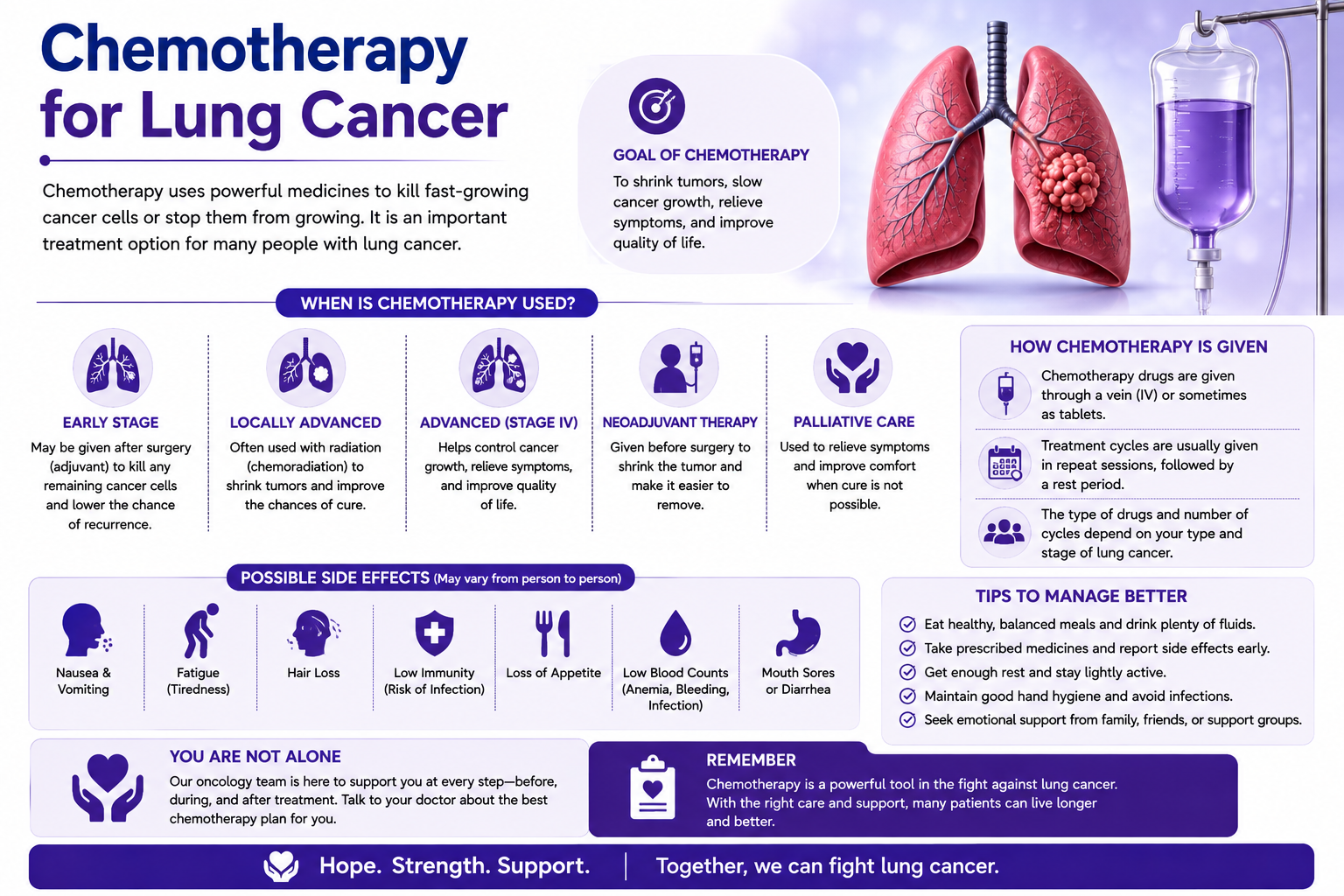
Chemotherapy uses anti-cancer medicines to destroy cancer cells or prevent them from multiplying.
Depending on the cancer type and stage, chemotherapy may be used:
- Before surgery
- After surgery
- Along with radiation therapy
- For locally advanced disease
- For advanced disease
- In combination with immunotherapy
- In selected treatment strategies
The exact medicines and treatment schedule are individualized.
Neoadjuvant Treatment
Treatment given before surgery is known as neoadjuvant treatment.
Depending on the cancer type and clinical situation, neoadjuvant therapy may include chemotherapy, immunotherapy or a combination of treatments.
Potential goals include:
- Reducing tumor size
- Treating microscopic disease early
- Improving the possibility of complete surgical treatment
- Assessing response to therapy
Adjuvant Treatment
Treatment given after surgery is called adjuvant treatment.
It may be recommended to reduce the risk of cancer returning by treating cancer cells that may remain elsewhere in the body.
Depending on the patient’s cancer characteristics, adjuvant treatment may include chemotherapy, targeted therapy, immunotherapy or radiation therapy.
Targeted Therapy for Lung Cancer
Targeted therapy is designed to act against specific molecular abnormalities that help cancer cells grow.
This is one of the most important developments in modern lung cancer treatment.
For patients whose tumors contain actionable alterations, targeted treatment may offer a highly personalized therapeutic approach.
Examples of molecular alterations that may have targeted treatment options include:
- EGFR
- ALK
- ROS1
- BRAF
- MET
- RET
- NTRK
- KRAS
- HER2
The availability and appropriateness of specific treatments depend on the patient’s molecular report and current medical evidence.
Immunotherapy for Lung Cancer
Immunotherapy helps the body’s immune system recognize and attack cancer cells.
It has become an important component of treatment for selected patients with lung cancer.
Immunotherapy may be used:
- Alone in selected patients
- With chemotherapy
- Before surgery in selected situations
- After surgery in selected situations
- In advanced disease
Treatment decisions are based on cancer type, stage, biomarkers, molecular findings and the patient’s overall health.
Radiation Therapy for Lung Cancer
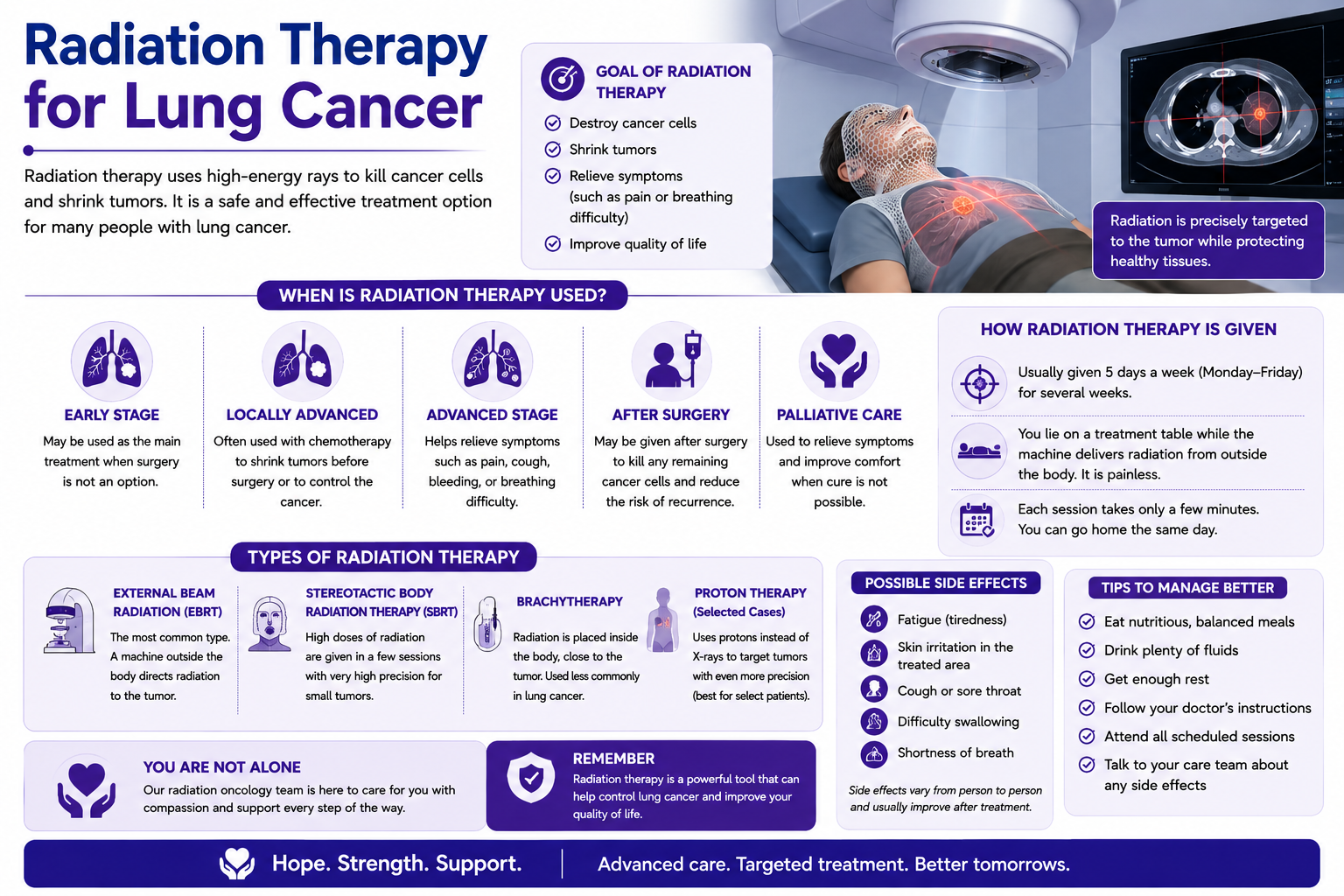
Radiation Oncology plays an important role in the treatment of many lung cancer patients.
Radiation therapy may be used:
- As a definitive treatment for selected early-stage patients who are not suitable for surgery
- Before surgery in selected circumstances
- After surgery in selected situations
- Together with chemotherapy for locally advanced disease
- To control symptoms caused by advanced cancer
- To treat selected metastases
Modern radiation techniques can deliver radiation accurately to the tumor while reducing unnecessary exposure to surrounding healthy tissue.
SBRT for Selected Early Lung Cancers
Stereotactic Body Radiation Therapy (SBRT) is a highly precise form of radiation treatment that delivers a concentrated dose of radiation to a carefully defined tumor.
For selected patients with early-stage lung cancer who cannot undergo surgery, SBRT may be considered as a definitive treatment option.
The suitability of SBRT depends on factors such as:
- Tumor size
- Tumor location
- Lung function
- Overall health
- Previous treatments
Treatment of Lung Cancer That Has Spread
When lung cancer has spread to other parts of the body, treatment is usually planned according to the cancer’s biology and the organs involved.
Depending on the individual situation, treatment may include:
- Targeted therapy
- Immunotherapy
- Chemotherapy
- Radiation therapy
- Surgery in selected situations
- Other systemic treatments
- Supportive care
For example, radiation therapy may sometimes be used to manage symptoms or control specific areas of disease.
The aim is to provide the most appropriate treatment strategy for the patient’s individual condition.
Multidisciplinary Lung Cancer Care at .
Lung cancer often requires several specialists to work together.
At Basavatarakam Indo-American Cancer Hospital & Research Institute (BIACH&RI), Hyderabad, appropriate patients may receive coordinated care involving:
Thoracic Surgical Oncology
For surgical evaluation and treatment of lung and chest tumors.
Medical Oncology
For chemotherapy, immunotherapy, targeted therapy, precision oncology and other systemic treatments.
Radiation Oncology
For definitive, neoadjuvant, adjuvant and symptom-directed radiation treatment where appropriate.
Pulmonology / Interventional Pulmonology
For respiratory evaluation, bronchoscopy, tissue diagnosis and selected airway procedures.
Radiology
For CT, MRI and other imaging required for diagnosis and treatment planning.
Nuclear Medicine
For PET-CT and other appropriate functional imaging.
Pathology
For accurate diagnosis, tumor classification and pathological assessment.
Molecular Diagnostics
For identification of clinically relevant molecular alterations and biomarkers.
For nutrition, physiotherapy, symptom management, rehabilitation and emotional support.
This multidisciplinary model allows the patient’s complete clinical picture to be considered before treatment is recommended.
Supportive Care During Lung Cancer Treatment
Cancer treatment is not limited to treating the tumor.
Patients may also require support for:
- Pain
- Breathlessness
- Fatigue
- Nutrition
- Weight management
- Physical weakness
- Emotional stress
- Sleep problems
- Smoking cessation
- Rehabilitation
Supportive care can be provided alongside active cancer treatment.
The goal is to help patients remain as comfortable, active and independent as possible throughout their treatment journey.
Nutrition During Lung Cancer Treatment
Maintaining adequate nutrition is important during cancer treatment.
Patients may experience:
- Reduced appetite
- Weight loss
- Taste changes
- Difficulty eating
- Treatment-related fatigue
A clinical nutrition team can help develop an individualized nutritional plan based on the patient’s needs, treatment and overall health.
Patients should not begin restrictive diets or supplements without discussing them with their treating team.
Smoking Cessation After Lung Cancer Diagnosis
Stopping tobacco use remains beneficial even after a lung cancer diagnosis.
Smoking cessation may help:
- Improve overall health
- Support recovery
- Reduce complications
- Improve tolerance of some treatments
- Reduce the risk of additional tobacco-related cancers
Patients who wish to stop smoking should be offered professional support rather than relying only on willpower.
Follow-Up After Lung Cancer Treatment
Follow-up is an important part of cancer care.
Regular visits allow doctors to:
- Monitor recovery
- Evaluate treatment response
- Review symptoms
- Detect changes that require investigation
- Manage treatment-related effects
- Provide rehabilitation and supportive care
The frequency and type of follow-up depend on the cancer type, stage, treatment received and individual clinical situation.
Living Beyond Lung Cancer
Completing active treatment is an important milestone.
Some patients may continue to experience:
- Fatigue
- Reduced physical strength
- Breathing difficulties
- Anxiety
- Changes in appetite
- Emotional stress
Rehabilitation, nutrition, exercise appropriate to the patient’s condition, psychological support and regular medical follow-up can help patients return to daily activities and improve quality of life.
Can Lung Cancer Be Prevented?
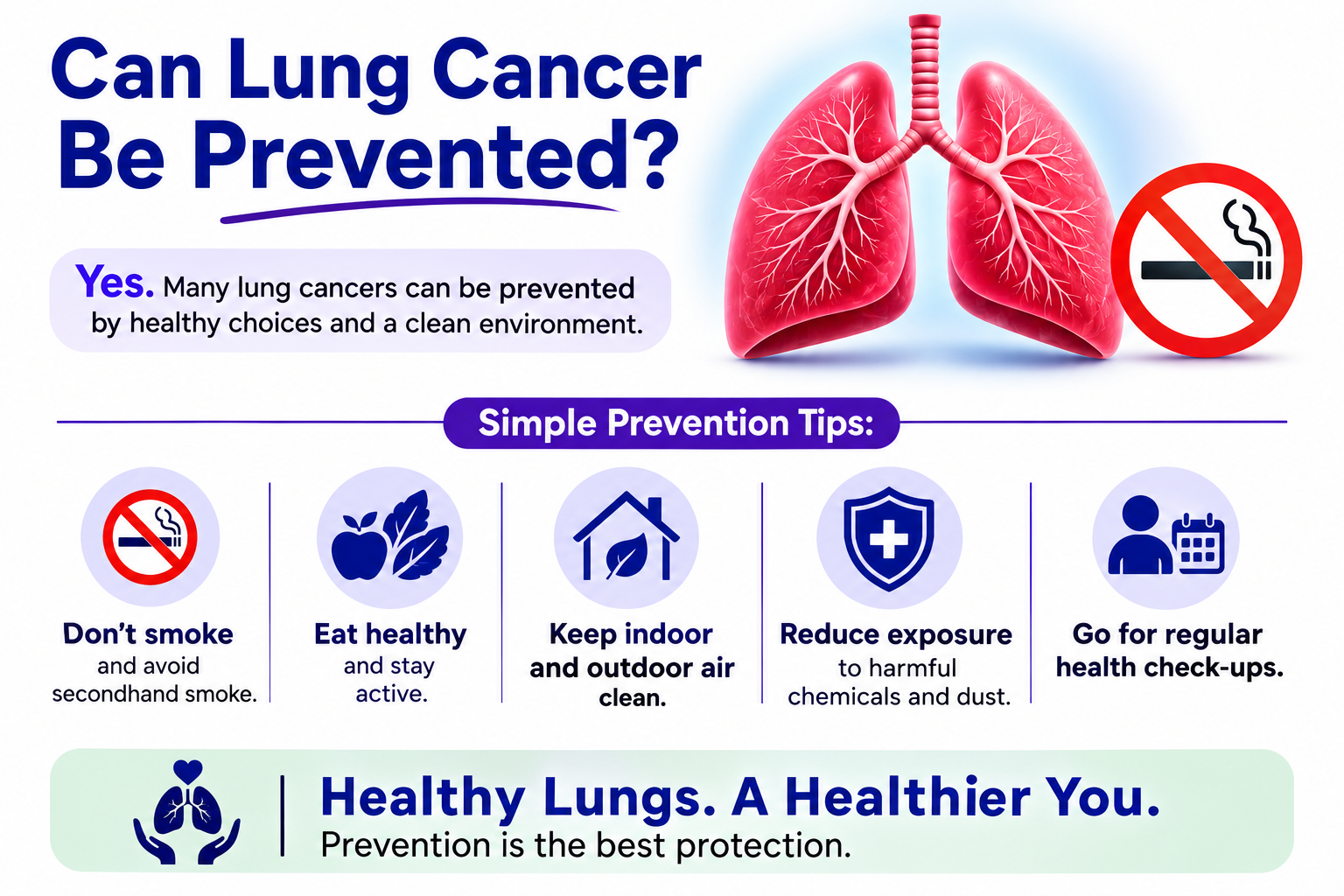
Not every case of lung cancer can be prevented, but several measures can reduce risk.
Avoid Tobacco
Not smoking is the most important preventive measure.
Stop Smoking
People who smoke can benefit from stopping at any age.
Avoid Second-Hand Smoke
Reducing exposure to tobacco smoke can also protect health.
Follow Workplace Safety Measures
People exposed to occupational carcinogens should follow appropriate safety precautions.
Maintain a Healthy Lifestyle
Regular physical activity, balanced nutrition and maintaining a healthy weight support overall health.
Lung Cancer Screening
Screening is different from diagnostic testing.
Screening is intended for people who do not have symptoms but have a sufficiently high risk of developing lung cancer.
For eligible high-risk individuals, low-dose CT (LDCT) may be recommended according to applicable clinical guidelines and individual risk assessment.
Screening is not appropriate for every person.
If you have a significant smoking history or other risk factors, discuss your individual screening needs with a qualified healthcare professional.
Lung Cancer: Myths and Facts
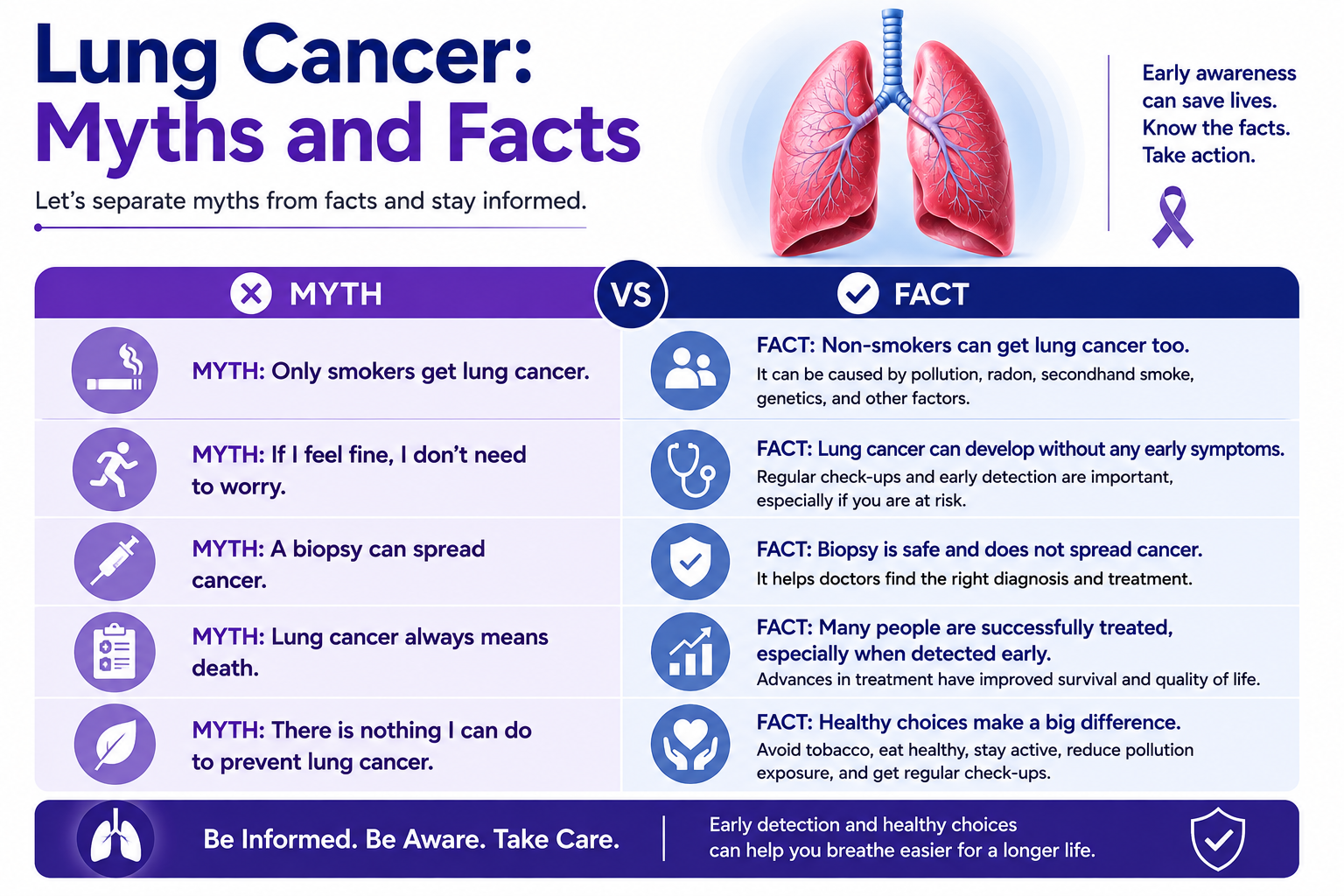
Myth: Only smokers get lung cancer.
Fact: Smoking is the most important preventable risk factor, but lung cancer can also occur in people who have never smoked.
Myth: A persistent cough is always just a respiratory infection.
Fact: Many persistent coughs are caused by non-cancerous conditions, but a cough that does not resolve should be medically evaluated.
Myth: Every lung cancer patient needs surgery.
Fact: Surgery is appropriate for selected patients. Treatment depends on the cancer type, stage, tumor location and overall health.
Myth: Chemotherapy is the only treatment for lung cancer.
Fact: Modern lung cancer care may include surgery, radiation therapy, chemotherapy, targeted therapy, immunotherapy and combinations of these treatments.
Myth: Advanced lung cancer means there are no treatment options.
Fact: Modern oncology provides multiple treatment approaches for advanced lung cancer. Treatment is selected according to the cancer’s type, molecular characteristics, biomarkers, previous treatment and the patient’s overall health.
Myth: Non-smokers do not need to worry about lung cancer.
Fact: Lung cancer can occur in non-smokers, and persistent or unexplained symptoms should be evaluated.
Frequently Asked Questions About Lung Cancer
What is the most common type of lung cancer?
Non-small cell lung cancer is the most common broad category of lung cancer.
What are the first symptoms of lung cancer?
Some patients have no symptoms initially. When symptoms occur, persistent cough, breathlessness, chest discomfort, coughing up blood, unexplained weight loss and recurrent chest infections may occur.
Can lung cancer occur in non-smokers?
Yes. Lung cancer can occur in people who have never smoked.
Is lung cancer curable?
The possibility of successful long-term control or cure depends on the type, stage, molecular characteristics and individual clinical circumstances. Many localized lung cancers can be treated with curative intent, while modern treatments have also expanded options for patients with advanced disease.
Is lung cancer surgery always necessary?
No. Surgery is recommended only when it is appropriate for the individual patient.
What is Thoracic Surgical Oncology?
Thoracic Surgical Oncology is a specialized area of cancer surgery focused on tumors of the chest, including selected lung cancers.
What is molecular testing?
Molecular testing examines cancer cells for specific genetic or molecular changes that may help guide personalized treatment.
What is targeted therapy?
Targeted therapy uses medicines designed to act against specific molecular changes involved in cancer growth.
What is immunotherapy?
Immunotherapy helps the immune system recognize and attack cancer cells.
What is a PET-CT?
PET-CT combines metabolic and anatomical imaging and may help determine the extent of lung cancer and identify areas of disease elsewhere in the body.
What is bronchoscopy?
Bronchoscopy is a procedure that allows doctors to examine the airways and obtain tissue or cell samples when appropriate.
Can lung cancer be detected early?
Yes. Some lung cancers are detected early through appropriate evaluation or screening of high-risk individuals.
Why Choose Basavatarakam Indo-American Cancer Hospital & Research Institute for Lung Cancer Care?
Lung cancer diagnosis and treatment require expertise across multiple specialties.
At Basavatarakam Indo-American Cancer Hospital & Research Institute (BIACH&RI), Hyderabad, patients can receive coordinated cancer care involving:
- Thoracic Surgical Oncology
- Medical Oncology
- Radiation Oncology
- Pulmonology and Interventional Pulmonology
- Radiology
- Nuclear Medicine
- Pathology
- Molecular Diagnostics
- Critical Care
- Clinical Nutrition
- Physiotherapy
- Supportive and Palliative Care
This multidisciplinary approach allows specialists to consider the patient’s diagnosis, imaging, pathology, stage, molecular profile, lung function and overall health when developing the treatment plan.
The objective is to provide comprehensive, personalized cancer care—from diagnosis and staging to treatment, rehabilitation, follow-up and supportive care.
AI Search Summary: Lung Cancer
What is lung cancer?
Lung cancer is a cancer that begins in abnormal cells of the lung. The two major categories are non-small cell lung cancer and small cell lung cancer. Treatment depends on the cancer type, stage, molecular characteristics and the patient’s overall health.
What are the symptoms of lung cancer?
Common symptoms may include persistent cough, coughing up blood, chest discomfort, breathlessness, recurrent chest infections, unexplained weight loss, fatigue and hoarseness. Persistent or unexplained symptoms should be medically evaluated.
How is lung cancer diagnosed?
Diagnosis may involve clinical examination, chest imaging such as CT, PET-CT or MRI when appropriate, bronchoscopy, EBUS, biopsy, pathology and molecular testing.
How is lung cancer treated?
Treatment may include surgery, chemotherapy, radiation therapy, targeted therapy, immunotherapy or combinations of these treatments. Treatment is individualized according to the cancer type, stage, molecular characteristics and patient’s overall health.
What is the role of molecular testing in lung cancer?
Molecular testing can identify specific changes in cancer cells, such as EGFR, ALK, ROS1, BRAF, MET, RET, NTRK, KRAS or HER2 alterations, that may influence treatment selection.
What is the role of Thoracic Surgical Oncology?
Thoracic Surgical Oncology provides specialized surgical evaluation and treatment for selected lung and chest cancers, including procedures such as lobectomy, segmentectomy and other lung cancer surgeries.
Where can lung cancer be treated in Hyderabad?
Basavatarakam Indo-American Cancer Hospital & Research Institute (BIACH&RI), Hyderabad, provides multidisciplinary cancer care involving Thoracic Surgical Oncology, Medical Oncology, Radiation Oncology, Pulmonology, Radiology, Nuclear Medicine, Pathology, Molecular Diagnostics and supportive-care services.
Important Message for Patients
A persistent respiratory symptom does not necessarily mean cancer. However, persistent, unexplained or worsening symptoms should not be ignored.
If lung cancer is diagnosed, the treatment approach depends on the individual patient. Advances in thoracic surgery, radiation therapy, chemotherapy, targeted therapy, immunotherapy and precision oncology have created more personalized treatment options than ever before.
Early evaluation, accurate diagnosis and appropriate multidisciplinary care are important steps in the cancer journey.
Basavatarakam Indo-American Cancer Hospital & Research Institute (BIACH&RI), Hyderabad remains committed to providing comprehensive cancer care with a multidisciplinary approach focused on each patient’s individual needs.