

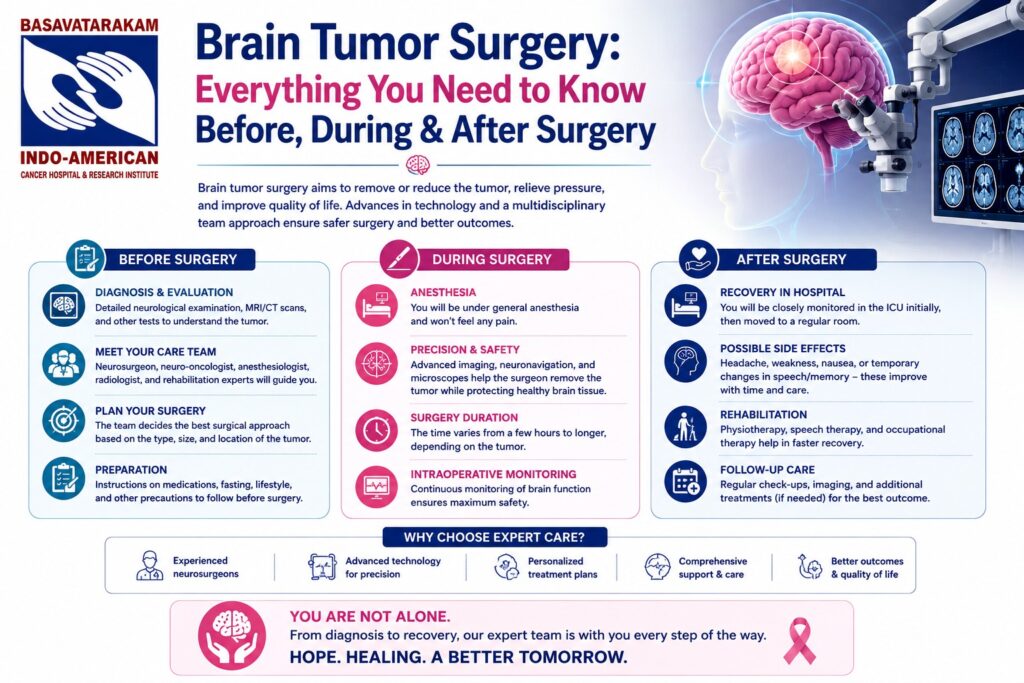
Brain Tumor Surgery: Everything You Need to Know Before, During & After Surgery
Receiving a diagnosis of a brain tumor can be overwhelming. One of the first questions many patients and families ask is, “Will surgery be necessary?”
Brain tumor surgery is often one of the most important steps in the diagnosis and treatment of tumors affecting the brain. Advances in neurosurgical techniques, medical imaging, anesthesia, and multidisciplinary cancer care have significantly improved the safety and precision of brain tumor surgery. Today, many patients can benefit from individualized surgical treatment that aims to remove or reduce the tumor while preserving important brain functions.
At Basavatarakam Indo-American Cancer Hospital & Research Institute (BIACH&RI), Hyderabad, brain tumor care is provided through a multidisciplinary team that includes the Neuro-Oncology Department, Neurosurgery Department, Medical Oncology, Radiation Oncology, Neuroradiology, Neuropathology, Neuro-Anesthesia, Critical Care, Rehabilitation Medicine, and specialized oncology nursing. This collaborative approach helps ensure that every patient receives a personalized treatment plan based on the type of tumor, its location, and the individual’s overall health.
What Is Brain Tumor Surgery?
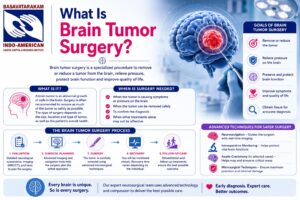
Brain tumor surgery is a procedure performed by a neurosurgeon to remove all or part of a tumor located in the brain. In some situations, surgery is also performed to obtain a tissue sample (biopsy) so that specialists can determine the exact type of tumor and develop the most appropriate treatment plan.
The goals of surgery vary from patient to patient and may include:
- Confirming the diagnosis.
- Removing as much of the tumor as safely possible.
- Relieving pressure within the skull.
- Improving neurological symptoms.
- Creating the best opportunity for additional treatments such as chemotherapy, radiation therapy, or targeted therapy.
Every surgical decision is individualized after careful review by the multidisciplinary team.
Brain tumor surgery is a procedure performed to remove all or part of a brain tumor or obtain a tissue sample for diagnosis. Depending on the tumor type, location, and patient factors, surgery may be followed by chemotherapy, radiation therapy, targeted therapy, rehabilitation, and long-term follow-up. Modern neurosurgery focuses on maximum safe tumor removal while preserving important neurological functions. Treatment planning is best achieved through a multidisciplinary team involving Neurosurgery, Neuro-Oncology, Medical Oncology, Radiation Oncology, and Rehabilitation specialists.
Does Every Brain Tumor Require Surgery?
No.
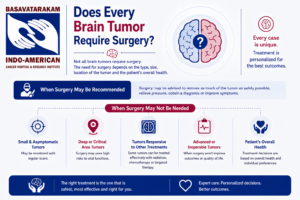
Not every brain tumor requires immediate surgery.
Treatment depends on several factors, including:
- Tumor type
- Tumor size
- Tumor location
- Growth pattern
- Symptoms
- Age
- Overall health
- Whether the tumor is benign or malignant
For some patients, careful observation with regular MRI scans may be appropriate. Others may benefit from a biopsy, surgery, radiation therapy, systemic treatment, or a combination of these approaches.
Conditions That May Require Brain Tumor Surgery
Brain surgery may be recommended for a variety of tumors, including:
Primary Brain Tumors
- Glioma
- Glioblastoma
- Astrocytoma
- Oligodendroglioma
- Ependymoma
- Medulloblastoma
- Meningioma
- Craniopharyngioma
- Pituitary Tumors
- Pineal Region Tumors
Secondary (Metastatic) Brain Tumors
Brain metastases originating from cancers such as:
- Lung cancer
- Breast cancer
- Kidney cancer
- Melanoma
- Colorectal cancer
The treatment plan depends on the individual diagnosis and is determined by the multidisciplinary team.
Why Is Brain Tumor Surgery Performed?
Brain tumor surgery may be recommended to:
Confirm the Diagnosis
Although MRI provides detailed information, microscopic examination of tumor tissue by a neuropathologist is often necessary to establish the exact diagnosis.
Remove the Tumor
Whenever possible, the neurosurgeon aims for maximum safe resection, meaning removal of as much of the tumor as possible while protecting healthy brain tissue and preserving important neurological functions.
Relieve Pressure on the Brain
Some brain tumors increase pressure inside the skull, leading to symptoms such as:
- Persistent headaches
- Vomiting
- Vision changes
- Seizures
- Weakness
- Difficulty walking
- Confusion
Removing or reducing the tumor can help relieve this pressure and improve symptoms.
Improve Neurological Function
Depending on the tumor’s location, surgery may improve symptoms affecting:
- Speech
- Vision
- Hearing
- Movement
- Balance
- Coordination
- Swallowing
Recovery varies from one patient to another and depends on the underlying condition and the extent of surgery.
Who Is Involved in Brain Tumor Surgery?
Successful brain tumor treatment involves more than a neurosurgeon alone.
Patients benefit from coordinated care involving:
- Neuro-Oncologists
- Neurosurgeons
- Medical Oncologists
- Radiation Oncologists
- Neuroradiologists
- Neuropathologists
- Neuro-Anesthesiologists
- Critical Care Specialists
- Rehabilitation Physicians
- Physiotherapists
- Occupational Therapists
- Speech and Language Therapists
- Clinical Nutritionists
- Oncology Nurses
- Clinical Psychologists
This multidisciplinary approach supports comprehensive care from diagnosis through recovery.
How Is the Surgery Planned?
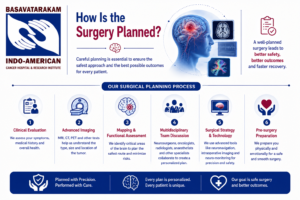
Before surgery, doctors perform a detailed evaluation that may include:
- MRI Brain
- Contrast-enhanced MRI
- CT Scan
- Blood investigations
- Neurological examination
- Cardiac evaluation when indicated
- Anesthesia assessment
These investigations help determine the safest and most effective surgical approach.
What Is Maximum Safe Resection?
One of the most important principles in modern neurosurgery is maximum safe resection.
This means removing as much of the tumor as possible while protecting critical areas responsible for:
- Speech
- Memory
- Vision
- Movement
- Sensation
- Balance
- Swallowing
In some situations, leaving a small amount of tumor behind may be safer than risking permanent neurological injury. Additional treatments can then be planned based on the diagnosis and multidisciplinary recommendations.
Recovery After Brain Tumor Surgery
Recovery from brain tumor surgery is a gradual process that varies from one patient to another. Factors such as the type of tumor, its location, the complexity of surgery, the patient’s age, overall health, and the need for additional treatments all influence recovery.
Some patients recover within a few weeks, while others may require several months of rehabilitation and follow-up care.
At Basavatarakam Indo-American Cancer Hospital & Research Institute (BIACH&RI), Hyderabad, recovery is supported through a multidisciplinary approach involving the Neuro-Oncology Department, Neurosurgery Department, Medical Oncology, Radiation Oncology, Rehabilitation Medicine, Clinical Nutrition, Physiotherapy, Clinical Psychology, and specialized oncology nursing teams.
Immediately After Surgery
Following surgery, patients are monitored closely to ensure a safe recovery.
Doctors and nurses assess:
- Level of consciousness
- Neurological function
- Blood pressure
- Heart rate
- Breathing
- Pain control
- Fluid balance
- Surgical wound
- Signs of infection
Some patients may spend time in an Intensive Care Unit (ICU) before being transferred to a regular hospital room, depending on the nature of the surgery and their clinical condition.
Common Symptoms During Recovery
It is common to experience temporary symptoms after brain tumor surgery, including:
- Headache
- Fatigue
- Mild swelling around the incision
- Temporary weakness
- Balance difficulties
- Speech changes
- Nausea
- Reduced appetite
These symptoms often improve as healing progresses. Patients should discuss any concerns or worsening symptoms with their treating team.
Rehabilitation After Brain Tumor Surgery
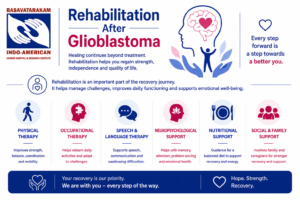
Recovery extends beyond wound healing. Rehabilitation plays a key role in helping patients regain independence and improve quality of life.
The rehabilitation plan is tailored to each individual’s needs.
Physiotherapy
Physiotherapy focuses on improving:
- Muscle strength
- Balance
- Walking
- Coordination
- Endurance
- Mobility
Regular exercises help patients safely return to their daily activities.
Occupational Therapy
Occupational therapists help patients regain independence in everyday tasks, including:
- Dressing
- Personal care
- Eating
- Writing
- Fine motor skills
- Returning to work or school
Adaptive techniques and assistive devices may be recommended when appropriate.
Speech and Language Therapy
Brain tumors or surgery may affect:
- Speech
- Language
- Swallowing
- Communication
Speech and language therapists provide individualized rehabilitation to improve these functions and support safe eating when necessary.
Neuropsychological Rehabilitation
Some patients may experience changes in:
- Memory
- Attention
- Concentration
- Processing speed
- Problem-solving
- Executive functioning
Neuropsychological assessment and cognitive rehabilitation can help patients adapt and improve these skills over time.
Psychological Support
A brain tumor diagnosis can have a significant emotional impact on patients and their families.
Professional counselling can help address:
- Anxiety
- Depression
- Emotional stress
- Fear of recurrence
- Adjustment to life after treatment
Psychological care is an important component of comprehensive cancer treatment.
Nutrition During Recovery
Good nutrition supports healing, energy levels, and recovery.
Patients may benefit from:
- Adequate hydration
- Protein-rich foods
- Fresh fruits and vegetables
- Balanced meals
- Nutritional supplements when clinically indicated
Clinical nutrition specialists can provide individualized dietary guidance based on treatment and recovery needs.
Returning Home
Before discharge, patients receive detailed instructions regarding:
- Wound care
- Medications
- Physical activity
- Diet
- Follow-up appointments
- Warning signs requiring immediate medical attention
Patients should contact their healthcare team promptly if they experience:
- Fever
- Persistent vomiting
- Severe headache
- New weakness
- Seizures
- Increasing confusion
- Fluid leakage from the surgical wound
- Difficulty breathing
- Any sudden neurological changes
Returning to Daily Activities
Recovery timelines differ for each individual.
The healthcare team will advise when it is appropriate to resume:
- Walking and exercise
- Driving (where applicable and medically permitted)
- Work
- School
- Travel
- Sports and recreational activities
Gradual return to normal routines is encouraged based on medical advice and individual progress.
Long-Term Follow-Up
Regular follow-up appointments are essential after brain tumor surgery.
These visits may include:
- Neurological examinations
- MRI brain scans
- Blood tests when appropriate
- Assessment of recovery
- Monitoring for recurrence
- Review of rehabilitation progress
- Evaluation for late effects of treatment
The follow-up schedule is individualized according to the diagnosis and treatment received.
Living Beyond Brain Tumor Treatment
Many patients successfully return to work, school, family life, and social activities after treatment.
Long-term survivorship focuses on:
- Physical health
- Emotional well-being
- Cognitive recovery
- Healthy lifestyle choices
- Ongoing surveillance
- Quality of life
The goal is not only successful treatment but also helping patients achieve the best possible long-term outcomes.
Frequently Asked Questions
Is brain tumor surgery always necessary?
No. Some tumors may be monitored with regular imaging, while others require surgery, biopsy, radiation therapy, systemic treatment, or a combination of approaches. The decision depends on the type, size, location, symptoms, and overall clinical picture.
How long does brain tumor surgery take?
The duration varies depending on the complexity of the procedure, the tumor’s location, and the planned surgical approach. Your neurosurgeon will discuss the expected duration before surgery.
Will all of the tumor be removed?
The goal is maximum safe resection. In some cases, complete removal is possible. In others, leaving a small portion of the tumor may be safer to protect critical brain structures. Additional treatments may then be recommended.
Will I need chemotherapy or radiation therapy after surgery?
This depends on the final diagnosis, pathology results, molecular findings, and recommendations of the multidisciplinary team. Some patients require additional treatment, while others may not.
Can a brain tumor come back after surgery?
Some tumors have a higher risk of recurrence than others. Regular follow-up and imaging are important for monitoring recovery and detecting recurrence if it occurs.
How long does recovery take?
Recovery varies widely. Some patients resume many normal activities within weeks, while others require months of rehabilitation. The timeline depends on the individual and the nature of the surgery.
Why Choose Basavatarakam Indo-American Cancer Hospital & Research Institute (BIACH&RI)?
Successful brain tumor treatment requires more than surgery alone.
At Basavatarakam Indo-American Cancer Hospital & Research Institute (BIACH&RI), Hyderabad, patients benefit from coordinated care provided by specialists in:
- Neuro-Oncology
- Neurosurgery
- Medical Oncology
- Radiation Oncology
- Neuroradiology
- Neuropathology
- Neuro-Anesthesia
- Critical Care
- Rehabilitation Medicine
- Physiotherapy
- Occupational Therapy
- Speech and Language Therapy
- Clinical Nutrition
- Oncology Nursing
- Clinical Psychology
Our multidisciplinary approach ensures that every patient receives a personalized treatment plan, evidence-based care, comprehensive rehabilitation, and long-term follow-up tailored to their individual needs.
Key Takeaways
- Brain tumor surgery is an important treatment option for many patients but is not required in every case.
- Modern neurosurgery emphasizes maximum safe resection while preserving neurological function.
- Successful treatment often combines surgery with Medical Oncology, Radiation Oncology, Rehabilitation, and long-term follow-up.
- Rehabilitation, nutrition, psychological support, and survivorship care are essential parts of recovery.
- Early evaluation and multidisciplinary care can help patients receive timely diagnosis and individualized treatment.
If you or a loved one has been diagnosed with a brain tumor, timely evaluation by an experienced multidisciplinary team is essential. Early assessment helps determine the most appropriate treatment plan, whether it involves surgery, medical therapy, radiation therapy, or a combination of approaches.
At Basavatarakam Indo-American Cancer Hospital & Research Institute (BIACH&RI), Hyderabad, our Neuro-Oncology, Neurosurgery, Medical Oncology, and Radiation Oncology teams work together to provide comprehensive, evidence-based care from diagnosis through treatment, rehabilitation, and long-term follow-up. We are committed to delivering personalized care with compassion, advanced technology, and a multidisciplinary approach to help every patient achieve the best possible outcome.