

Glioblastoma (GBM): Symptoms, Diagnosis, Treatment & Survival – A Complete Patient Guide
A diagnosis of glioblastoma (GBM) can be overwhelming for patients and their families. It often brings questions about symptoms, treatment options, surgery, radiation therapy, chemotherapy, and what to expect during recovery.
Glioblastoma is one of the most aggressive primary brain tumors in adults. Although it presents significant treatment challenges, advances in neurosurgery, molecular diagnostics, radiation therapy, systemic treatments, rehabilitation, and supportive care continue to improve the way patients are treated. Every patient’s condition is unique, and treatment decisions are based on individual clinical factors.
At Basavatarakam Indo-American Cancer Hospital & Research Institute (BIACH&RI), Hyderabad, patients with glioblastoma are evaluated by a multidisciplinary team that includes specialists from the Neuro-Oncology Department, Neurosurgery Department, Medical Oncology, Radiation Oncology, Neuroradiology, Neuropathology, Neuro-Anesthesia, Rehabilitation Medicine, and supportive care services. This coordinated approach helps develop personalized treatment plans focused on both disease management and quality of life.
What Is Glioblastoma?
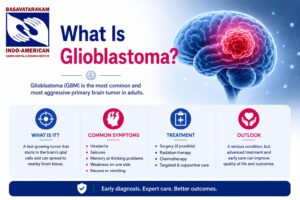
Glioblastoma, also known as glioblastoma multiforme (GBM), is a type of high-grade glioma that develops from glial cells, which support and protect nerve cells in the brain.
According to the current classification of central nervous system tumors, glioblastoma is a WHO Grade 4 diffuse glioma, reflecting its aggressive biological behavior.
Glioblastoma typically grows rapidly and may infiltrate surrounding brain tissue, making complete surgical removal difficult in many cases. Treatment therefore often involves a combination of surgery and additional therapies planned by a multidisciplinary team.
Glioblastoma (GBM) is a WHO Grade 4 primary brain tumor that develops from glial cells in the brain. It is one of the most aggressive adult brain tumors and is typically treated using a multidisciplinary approach that may include surgery, radiation therapy, chemotherapy, rehabilitation, and supportive care. Because glioblastoma often infiltrates surrounding brain tissue, treatment focuses on maximum safe tumor removal, controlling disease progression, preserving neurological function, and maintaining quality of life.
Is Glioblastoma the Same as Brain Cancer?
Glioblastoma is a type of primary brain tumor. It begins in the brain rather than spreading from another part of the body.
This differs from brain metastases, which occur when cancers such as lung cancer, breast cancer, melanoma, kidney cancer, or colorectal cancer spread to the brain.
Although the term brain cancer is commonly used by the public, healthcare professionals classify tumors based on their cell of origin and pathological features. Glioblastoma is one of the most common malignant primary brain tumors in adults.
Who Is at Risk of Glioblastoma?
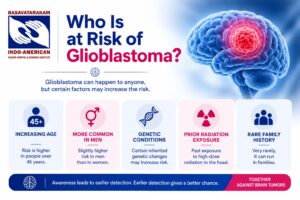
Glioblastoma can occur in adults of different ages but is diagnosed more frequently in older adults. It is uncommon in children.
In most patients, the exact cause is unknown. Researchers continue to study the genetic and molecular changes that contribute to glioblastoma development.
Certain inherited genetic syndromes are associated with an increased risk of brain tumors, but these conditions are uncommon.
Where Does Glioblastoma Develop?
Glioblastoma can arise in different parts of the brain. It is most often found in the cerebral hemispheres, including the:
- Frontal lobe
- Temporal lobe
- Parietal lobe
- Occipital lobe
Because different brain regions control different functions, the symptoms experienced by a patient depend largely on the tumor’s location.
Common Symptoms of Glioblastoma
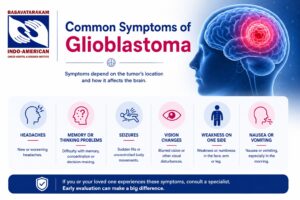
Symptoms may develop gradually or progress over time. Common symptoms include:
- Persistent or worsening headaches
- Seizures
- Nausea or vomiting
- Weakness on one side of the body
- Difficulty speaking
- Changes in memory or concentration
- Personality or behavioural changes
- Vision problems
- Balance or coordination difficulties
- Drowsiness or confusion
These symptoms are not specific to glioblastoma and can occur in many other neurological conditions. Anyone with persistent or worsening neurological symptoms should seek medical evaluation.
When Should You See a Doctor?
Prompt medical assessment is recommended if you experience:
- A new seizure
- Persistent headaches that are worsening
- Progressive weakness
- Sudden difficulty speaking
- Changes in vision
- Persistent vomiting associated with neurological symptoms
- Increasing confusion or altered consciousness
Early evaluation can help determine the cause of symptoms and guide appropriate investigations.
How Is Glioblastoma Diagnosed?
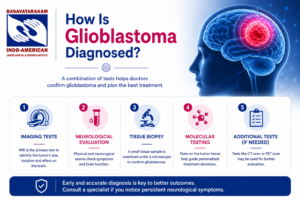
Diagnosis begins with a detailed medical history and neurological examination.
Investigations may include:
- MRI Brain with contrast
- CT scan in selected situations
- Neurological assessment
- Surgical biopsy or tumor removal when indicated
- Neuropathology examination
- Molecular testing where appropriate
A definitive diagnosis is made by examining tumor tissue under a microscope and, when indicated, performing additional molecular analyses.
Why Is Molecular Testing Important?
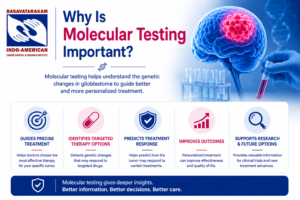
Modern treatment planning increasingly incorporates molecular information because it helps classify tumors more accurately and may influence prognosis and treatment decisions.
Examples of molecular markers that may be evaluated in selected cases include:
- IDH mutation status
- MGMT promoter methylation status
- Other molecular alterations as recommended by current clinical practice
The choice of tests depends on the clinical context and pathology findings.
How Is Glioblastoma Treated?
Glioblastoma treatment requires a carefully coordinated, multidisciplinary approach. Because this tumor often infiltrates surrounding brain tissue, treatment usually involves a combination of therapies rather than a single procedure.
At Basavatarakam Indo-American Cancer Hospital & Research Institute (BIACH&RI), Hyderabad, patients with glioblastoma are evaluated by specialists from the Neuro-Oncology Department, Neurosurgery Department, Medical Oncology, Radiation Oncology, Neuroradiology, Neuropathology, Rehabilitation Medicine, and supportive care services. Each treatment plan is individualized based on the patient’s diagnosis, age, neurological function, molecular profile, and overall health.
Brain Tumor Surgery for Glioblastoma
For many patients, surgery is the first step in treatment.
The goals of surgery include:
- Confirming the diagnosis through tissue examination.
- Removing as much of the tumor as safely possible.
- Relieving pressure within the skull.
- Improving neurological symptoms.
- Providing tissue for molecular and pathological testing.
- Preparing for additional treatments such as radiation therapy and chemotherapy.
Surgery is carefully planned using detailed brain imaging and neurological assessment.
Maximum Safe Resection
One of the key principles of modern neuro-oncology is maximum safe resection.
This means the neurosurgeon aims to remove as much of the visible tumor as possible while preserving critical brain functions such as:
- Speech
- Language
- Vision
- Movement
- Balance
- Memory
- Swallowing
- Coordination
Complete removal is not always possible because glioblastoma cells often extend into surrounding normal brain tissue. The treatment plan therefore commonly includes additional therapies after surgery.
Why Is Tumor Tissue Important?
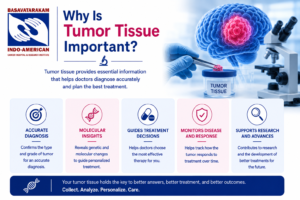
The tissue removed during surgery provides valuable information that cannot be obtained from imaging alone.
A neuropathologist examines the specimen to determine:
- Tumor type
- WHO grade
- Histopathological features
- Molecular markers
- Genetic characteristics where clinically indicated
These findings help guide treatment recommendations and provide important prognostic information.
Radiation Therapy for Glioblastoma
Radiation therapy is an important part of treatment for many patients with glioblastoma.
Modern radiation therapy aims to:
- Target remaining tumor cells after surgery.
- Reduce damage to surrounding healthy brain tissue.
- Improve local disease control.
Treatment planning is individualized using detailed imaging and specialized planning systems to deliver radiation precisely to the target area.
The exact treatment schedule depends on the patient’s condition and recommendations from the multidisciplinary team.
Chemotherapy
Chemotherapy is commonly recommended alongside or after radiation therapy for eligible patients with glioblastoma.
Chemotherapy works by interfering with the growth and division of tumor cells. The specific medicines, treatment schedule, and duration depend on the patient’s clinical condition and current treatment guidelines.
Before treatment begins, the oncology team discusses:
- Expected benefits
- Possible side effects
- Monitoring during treatment
- Supportive care measures
Patients are monitored throughout therapy to help manage side effects and maintain quality of life.
Precision Medicine and Molecular Testing
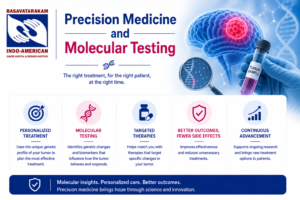
Advances in neuro-oncology have improved our understanding of the molecular characteristics of glioblastoma.
Selected molecular tests may provide information that helps clinicians:
- Classify tumors more accurately.
- Estimate prognosis.
- Guide treatment planning.
- Determine eligibility for certain therapies or clinical trials.
The specific tests performed depend on pathology findings and current clinical recommendations.
Clinical Trials
Clinical trials play an important role in advancing glioblastoma treatment.
Some patients may be eligible to participate in carefully regulated clinical research evaluating new treatment approaches.
Participation in a clinical trial is voluntary and depends on factors such as the patient’s diagnosis, eligibility criteria, and availability of suitable studies. The treating team can discuss whether this may be an appropriate option.
Managing Symptoms During Treatment
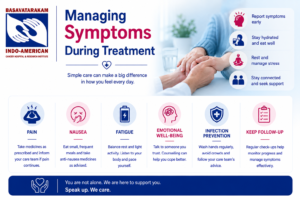
Supportive care is an essential component of glioblastoma management.
Depending on individual needs, treatment may include medicines to help manage:
- Seizures
- Brain swelling
- Headaches
- Nausea
- Pain
- Fatigue
These supportive measures aim to improve comfort and maintain quality of life throughout treatment.
Rehabilitation During and After Treatment
Many patients benefit from rehabilitation services as part of their overall care.
Rehabilitation may include:
Physiotherapy
To improve:
- Strength
- Balance
- Walking
- Coordination
- Mobility
Occupational Therapy
To help patients regain independence in daily activities such as dressing, eating, writing, and returning to work when appropriate.
Speech and Language Therapy
For patients experiencing difficulties with:
- Speech
- Language
- Swallowing
- Communication
Neuropsychological Rehabilitation
To address changes in:
- Memory
- Attention
- Concentration
- Cognitive function
- Executive skills
The rehabilitation plan is individualized according to each patient’s needs and recovery goals.
Follow-Up After Treatment
Regular follow-up is essential to monitor recovery and evaluate the response to treatment.
Follow-up may include:
- Neurological examination
- MRI brain scans
- Assessment of symptoms
- Review of treatment-related side effects
- Rehabilitation progress
- Ongoing supportive care
The timing and frequency of follow-up visits are individualized.
Can Glioblastoma Recur?
Glioblastoma has a risk of recurrence despite treatment. Regular follow-up imaging and clinical assessment help doctors monitor for changes and determine whether additional treatment is appropriate.
If recurrence occurs, management options depend on several factors, including the patient’s overall condition, previous treatments, imaging findings, and multidisciplinary evaluation.
Why Multidisciplinary Care Matters
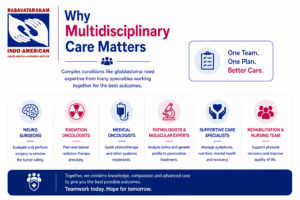
Glioblastoma treatment is complex and often requires expertise from multiple specialties.
At BIACH&RI, patients benefit from coordinated care involving:
- Neuro-Oncology
- Neurosurgery
- Medical Oncology
- Radiation Oncology
- Neuroradiology
- Neuropathology
- Neuro-Anesthesia
- Rehabilitation Medicine
- Clinical Nutrition
- Oncology Nursing
- Clinical Psychology
- Supportive and Palliative Care
This integrated approach helps ensure that each patient receives personalized, evidence-based care throughout diagnosis, treatment, rehabilitation, and long-term follow-up.
Recovery After Glioblastoma Treatment
Recovery after glioblastoma treatment is a gradual process and differs from one patient to another. The recovery journey depends on several factors, including the tumor’s location, the extent of surgery, neurological function before treatment, age, overall health, and the additional therapies received.
Treatment often includes surgery followed by radiation therapy and chemotherapy, with rehabilitation and supportive care playing an important role throughout recovery.
At Basavatarakam Indo-American Cancer Hospital & Research Institute (BIACH&RI), Hyderabad, patients receive coordinated care from specialists in Neuro-Oncology, Neurosurgery, Medical Oncology, Radiation Oncology, Rehabilitation Medicine, Clinical Nutrition, Clinical Psychology, and specialized Oncology Nursing to support recovery and quality of life.
What to Expect During Recovery
Patients recover at different rates. During the weeks following treatment, some may experience:
- Fatigue
- Headaches
- Temporary weakness
- Balance problems
- Speech difficulties
- Memory or concentration changes
- Reduced stamina
- Emotional stress
Many of these symptoms improve with time, rehabilitation, and supportive medical care. Patients should maintain regular follow-up appointments and report any new or worsening symptoms promptly.
Rehabilitation After Glioblastoma
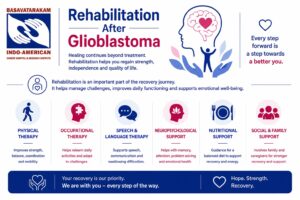
Rehabilitation is an essential component of comprehensive brain tumor care. The goal is to maximize independence, improve neurological function, and support a return to daily life.
Physiotherapy
Physiotherapy focuses on improving:
- Strength
- Mobility
- Balance
- Walking
- Coordination
- Endurance
Occupational Therapy
Occupational therapists help patients regain independence in everyday activities such as:
- Dressing
- Personal care
- Eating
- Writing
- Household activities
- Returning to work when appropriate
Speech and Language Therapy
Some patients experience difficulties with:
- Speech
- Language
- Swallowing
- Communication
Speech and language therapists provide individualized rehabilitation to improve communication and swallowing function where needed.
Neuropsychological Rehabilitation
Glioblastoma and its treatment may affect:
- Memory
- Attention
- Concentration
- Executive function
- Problem-solving
- Processing speed
Neuropsychological evaluation and cognitive rehabilitation help patients adapt to these changes and optimize daily functioning.
Psychological and Emotional Support
A diagnosis of glioblastoma can have a profound emotional impact on patients and their families.
Professional counselling and psychological support may help address:
- Anxiety
- Depression
- Fear of recurrence
- Emotional adjustment
- Family stress
- Caregiver burden
Supportive care is an important part of comprehensive cancer treatment.
Living With Glioblastoma
Living with glioblastoma often involves ongoing medical care, rehabilitation, and lifestyle adjustments.
Many patients benefit from:
- Regular physical activity as advised by their healthcare team.
- Nutritious, balanced meals.
- Adequate rest.
- Medication adherence.
- Scheduled follow-up visits.
- Emotional and social support.
- Rehabilitation services when required.
Open communication with the treating team helps address concerns and supports long-term care planning.
Understanding Glioblastoma Survival
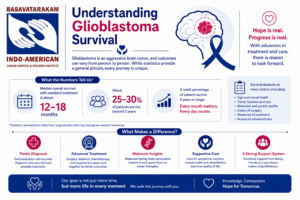
One of the most common questions patients ask is, “What is the survival rate for glioblastoma?”
There is no single answer because survival varies widely among individuals.
Several factors influence prognosis, including:
- Age
- Overall health
- Neurological status
- Tumor location
- Extent of surgical removal
- Molecular characteristics of the tumor
- Response to treatment
- Access to multidisciplinary care
While glioblastoma remains a challenging disease, treatment aims to prolong survival, preserve neurological function, manage symptoms, and maintain the best possible quality of life. Your treating team is the best source of information about your individual situation.
Follow-Up Care
After treatment, regular follow-up appointments are essential.
These visits may include:
- Neurological examinations
- MRI brain scans
- Review of symptoms
- Assessment of treatment-related side effects
- Medication review
- Rehabilitation progress
- Supportive care planning
The schedule for follow-up is individualized based on the patient’s clinical condition.
Supportive and Palliative Care
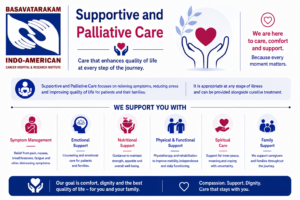
Supportive care is an important part of glioblastoma management and may be provided alongside active treatment.
It focuses on improving quality of life by helping manage symptoms such as:
- Pain
- Headaches
- Nausea
- Fatigue
- Seizures
- Emotional distress
Palliative care specialists work with the oncology team to address physical, emotional, and psychosocial needs, supporting both patients and their families throughout the course of illness.
Frequently Asked Questions
Is glioblastoma curable?
Glioblastoma is an aggressive brain tumor that requires specialized treatment. The goals of treatment are to control the disease, relieve symptoms, preserve neurological function, and improve quality of life. Your treating team can discuss the expected outcomes based on your individual diagnosis.
Can glioblastoma return after treatment?
Yes. Glioblastoma has a risk of recurrence despite treatment. Regular follow-up with MRI scans and neurological assessment is important to monitor for changes and guide further management if needed.
Does everyone with glioblastoma need surgery?
Not always. Surgery is recommended when it is expected to provide diagnostic or therapeutic benefit. In some situations, a biopsy or other treatment approaches may be more appropriate.
What treatments are used after surgery?
Depending on the diagnosis and individual clinical factors, treatment may include radiation therapy, chemotherapy, rehabilitation, supportive care, or participation in clinical trials where appropriate.
Can patients continue normal daily activities?
Many patients are able to resume aspects of their daily routine after treatment, although the extent and timing depend on their neurological recovery, overall health, and medical advice.
Why Choose Basavatarakam Indo-American Cancer Hospital & Research Institute (BIACH&RI)?
Glioblastoma treatment requires expertise across multiple specialties.
At Basavatarakam Indo-American Cancer Hospital & Research Institute (BIACH&RI), Hyderabad, patients benefit from coordinated care delivered by specialists in:
- Neuro-Oncology
- Neurosurgery
- Medical Oncology
- Radiation Oncology
- Neuroradiology
- Neuropathology
- Neuro-Anesthesia
- Critical Care
- Rehabilitation Medicine
- Clinical Nutrition
- Oncology Nursing
- Clinical Psychology
- Supportive and Palliative Care
Our multidisciplinary approach enables personalized treatment planning, evidence-based care, rehabilitation, and long-term follow-up, ensuring that patients and families receive comprehensive support throughout every stage of treatment.
Key Takeaways
- Glioblastoma is a WHO Grade 4 primary brain tumor that requires specialized multidisciplinary care.
- Treatment commonly includes surgery followed by radiation therapy and chemotherapy, depending on the individual clinical situation.
- Rehabilitation, nutritional support, psychological care, and regular follow-up are essential components of treatment.
- Prognosis varies from person to person and depends on several clinical and molecular factors.
- Early evaluation by an experienced Neuro-Oncology team helps guide timely diagnosis and individualized treatment planning.
Persistent headaches, new-onset seizures, weakness, speech difficulties, vision changes, or unexplained neurological symptoms should never be ignored. Early medical evaluation can help identify the underlying cause and guide appropriate treatment.
At Basavatarakam Indo-American Cancer Hospital & Research Institute (BIACH&RI), Hyderabad, our multidisciplinary Neuro-Oncology team—including Neurosurgery, Medical Oncology, Radiation Oncology, Neuroradiology, Neuropathology, Rehabilitation Medicine, and Supportive Care specialists—works together to provide comprehensive, evidence-based care for patients with glioblastoma and other brain tumors. From advanced diagnosis to surgery, rehabilitation, and long-term follow-up, we are committed to delivering personalized treatment with compassion, clinical excellence, and the latest advances in neuro-oncology.